sportsleader23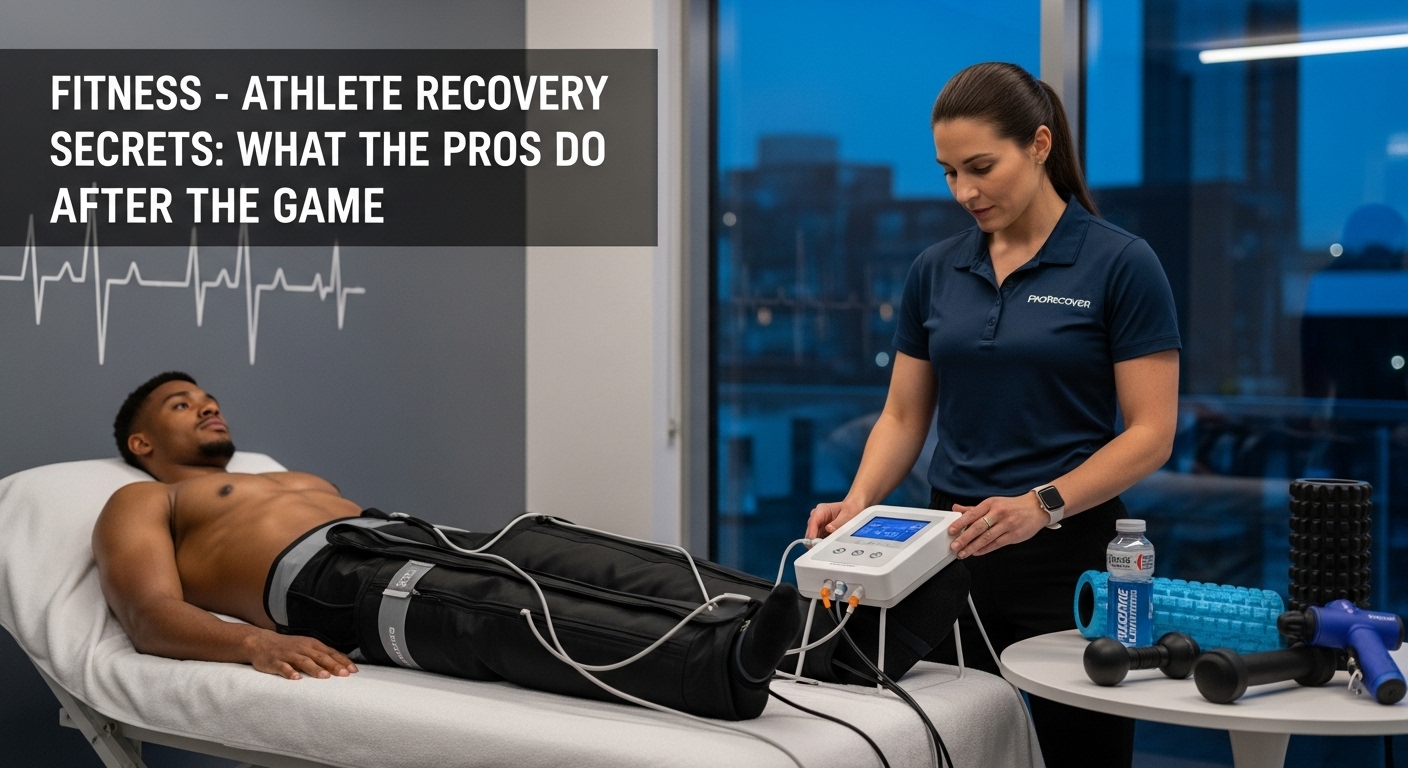
When it comes to peak performance, professional athletes are in a league of their own—literally and figuratively. Their bodies are machines, finely tuned through years of dedication, discipline, and expertly designed workout regimens. While the average person may not train to compete on the world stage, there’s still plenty to learn from the fitness routines of top athletes. Here’s a look at how some of the world’s best train—and how you can apply their principles to your own workouts.
1. Consistency Over Intensity
Athletes don’t get fit overnight. Instead of going all out for a few days and burning out, they build a consistent routine. Serena Williams, for example, trains six days a week and maintains a well-balanced mix of tennis practice, strength training, and cardio. The key takeaway? Consistency is more sustainable—and more effective—than sporadic bursts of intense effort.
2. Functional Strength Training
Rather than simply chasing muscle size, professional athletes focus on functional strength—training muscles to work together for real-life or sport-specific movements. NFL players often perform compound movements like deadlifts, squats, and sled pushes to mimic on-field actions. Functional workouts help build strength, coordination, and injury resistance.
3. Mobility and Recovery Are Non-Negotiable
LeBron James reportedly spends over a million dollars a year on body care, including cryotherapy, massage therapy, and mobility work. While most people won’t need—or afford—that level of investment, it underscores an important truth: recovery matters. Stretching, foam rolling, proper hydration, and sleep are all essential parts of an athlete’s regimen.
4. Sport-Specific Drills
Elite athletes tailor their workouts to match their sport’s physical demands. Sprinters like Usain Bolt emphasize explosive power, incorporating plyometrics and short sprints into their routines. Swimmers focus on upper-body strength, core stability, and flexibility. Understanding your goals—whether it’s improving endurance, strength, or speed—can help you craft a routine with similar focus.
5. Mental Training
The physical side is only half the story. Top athletes dedicate time to mental fitness through visualization, mindfulness, and focus drills. Olympic gymnast Simone Biles has spoken openly about the importance of mental health and mindset in achieving top-tier performance. Incorporating practices like meditation, breathwork, or goal-setting can significantly boost motivation and resilience.
6. Fuel Like a Pro
Training hard means nothing if you’re not fueling properly. Most athletes work with nutritionists to optimize their diets for performance and recovery. This usually means a balance of lean proteins, complex carbs, healthy fats, and lots of hydration. While everyone’s needs vary, adopting an intentional approach to food—rather than relying on quick fixes—can support your fitness journey.
Bringing It All Together
You don’t need to be an Olympian to benefit from training like one. By adopting key elements from the routines of top athletes—consistency, recovery, functional movements, mental focus, and nutrition—you can elevate your personal fitness game. The real secret behind a pro-level physique? It’s not just what they do—it’s how and why they do it.