sportsleader23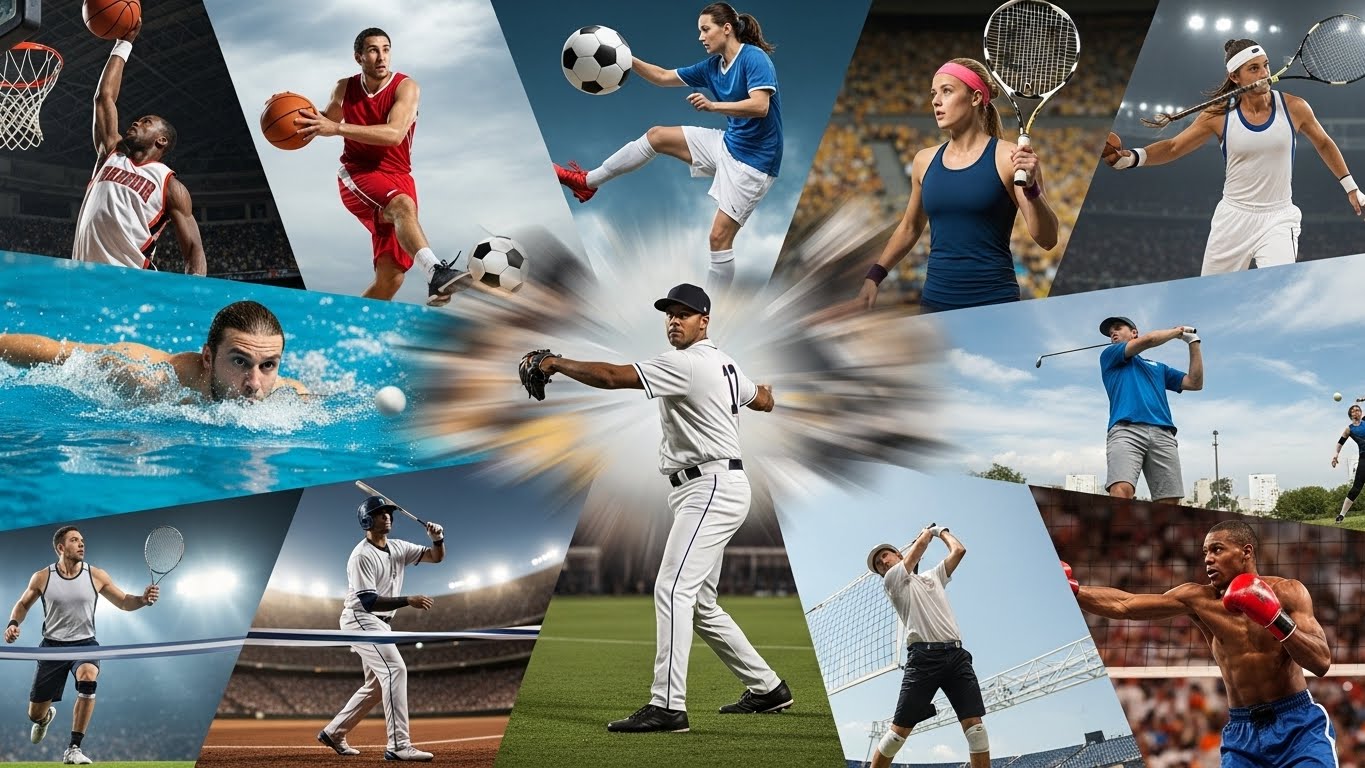
Introduction
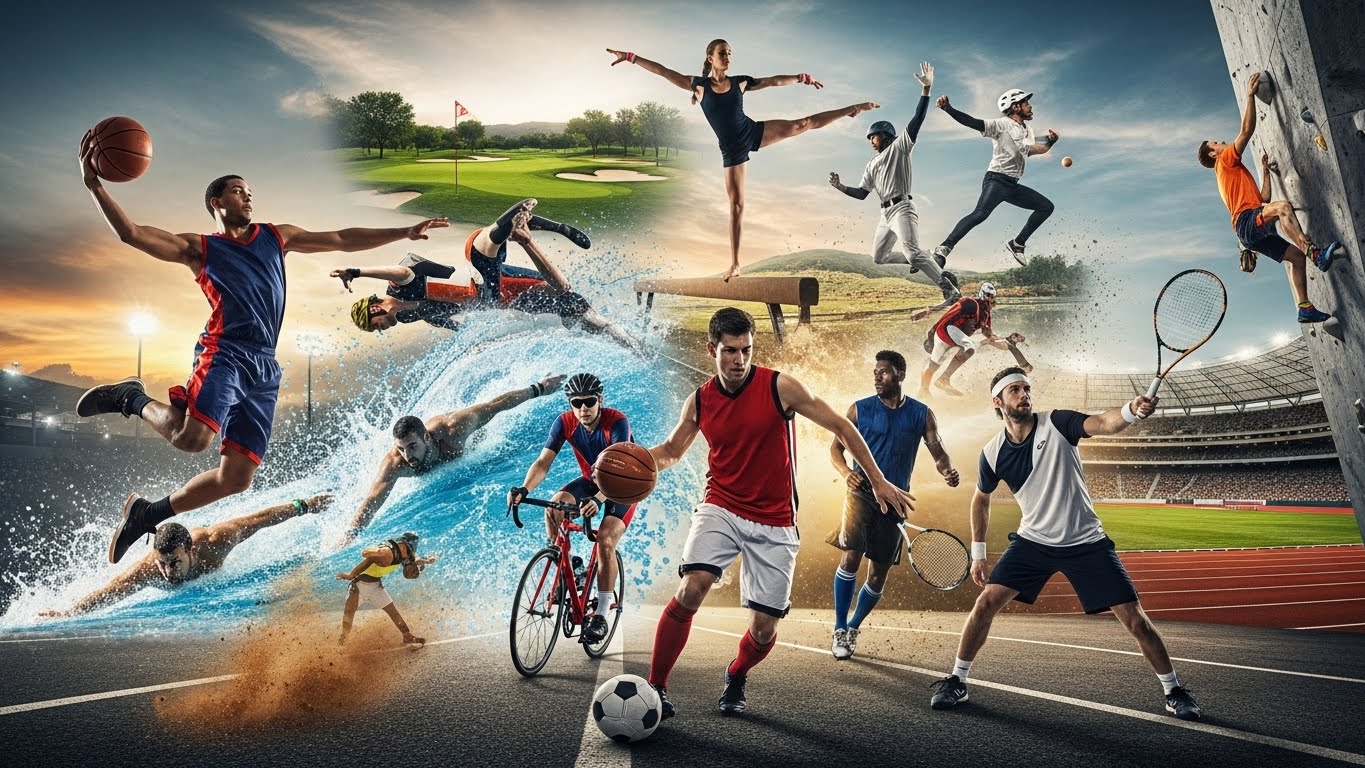
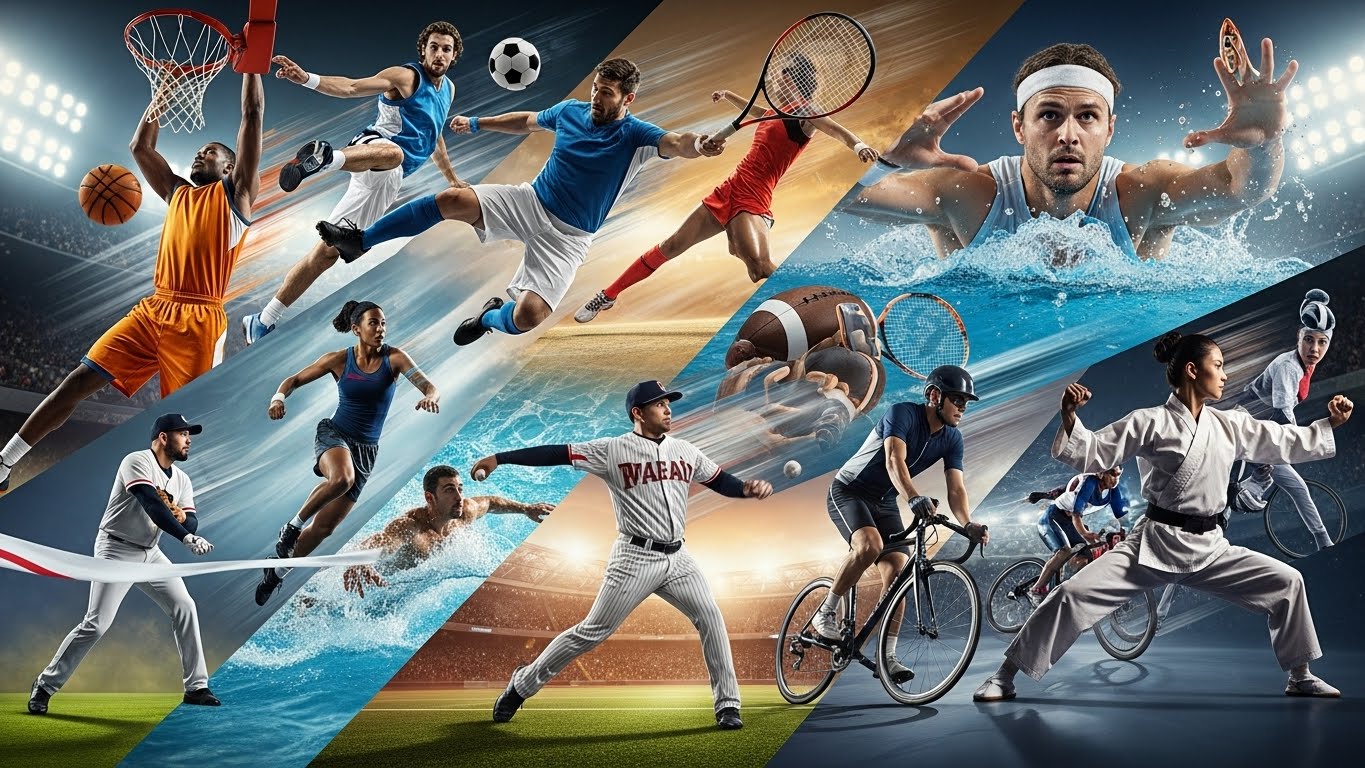
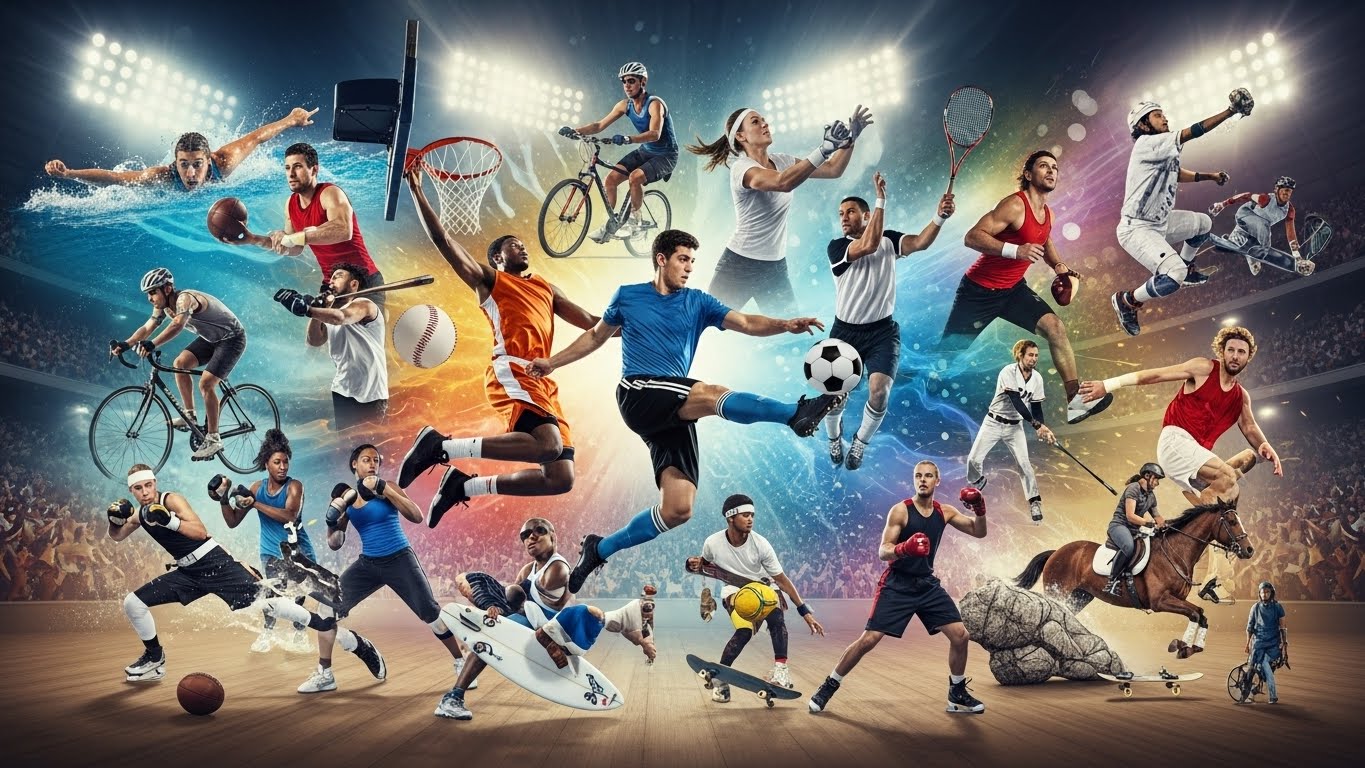
Sports have been an integral part of human society for centuries. They are more than just physical activities or entertainment; they are a reflection of culture, a medium for social interaction, and a powerful tool for personal development. From ancient Olympic games in Greece to the modern stadiums that host millions, sports have continually shaped our lives and communities. While the adrenaline rush of competition excites players and spectators alike, the benefits of sports extend far beyond winning or losing. This blog explores the multifaceted role of sports in our lives, from physical health to mental well-being, social connection, and the lessons they teach about resilience, discipline, and teamwork.
The Historical Significance of Sports
The history of sports is as old as civilization itself. Archaeological evidence suggests that physical contests existed in early human societies, serving purposes such as military training, celebration, and social bonding. Ancient civilizations such as the Greeks, Egyptians, and Romans placed great emphasis on athleticism. The Olympic Games, which began in 776 BCE in Olympia, Greece, were more than a showcase of physical prowess; they were a religious and cultural festival that united various city-states. Over centuries, sports evolved into organized competitions with rules, regulations, and dedicated training, reflecting the changing social structures of societies. The historical significance of sports is not just in its entertainment value but in its role in shaping human culture and community identity.
Physical Benefits of Sports
The most obvious impact of sports is on physical health. Engaging in regular physical activity strengthens the heart, improves muscle tone, enhances flexibility, and boosts overall stamina. Cardiovascular endurance, strength, agility, and coordination are all developed through consistent participation in sports. Beyond the obvious fitness advantages, sports play a crucial role in combating modern health issues such as obesity, diabetes, and hypertension. For children and adolescents, sports encourage healthy growth, improve bone density, and instill lifelong habits of active living. Adults also benefit from reduced stress, improved immune function, and better sleep patterns through consistent physical activity associated with sports.
Mental and Emotional Benefits of Sports
While the physical benefits of sports are widely recognized, their influence on mental and emotional health is equally profound. Participation in sports can reduce symptoms of anxiety and depression, boost self-esteem, and enhance cognitive function. The focus required during competitive play improves concentration, problem-solving skills, and strategic thinking. Sports also serve as an outlet for releasing pent-up stress and frustration, allowing players to channel their emotions positively. Furthermore, achieving personal milestones or winning competitions instills a sense of accomplishment and confidence that transcends the sports arena and influences other aspects of life.
Social Impact of Sports
Sports have an unparalleled ability to bring people together. They transcend social, cultural, and economic boundaries, fostering unity and shared experiences. Communities rally around local teams, national leagues, and international events, creating a sense of belonging and identity. Sports encourage teamwork, communication, and collaboration, skills that are essential in both personal and professional life. Additionally, participation in sports clubs, leagues, or informal groups provides opportunities to build lifelong friendships and networks. The social impact of sports extends beyond the playing field; it cultivates empathy, understanding, and respect among individuals from diverse backgrounds.
Sports as a Platform for Life Skills
One of the most profound aspects of sports is its ability to teach life lessons. Discipline, perseverance, time management, and leadership are skills honed through consistent practice and competition. Athletes learn to handle success with humility and failure with resilience. The values of sportsmanship—fair play, respect for opponents, and adherence to rules—translate into ethical behavior in other areas of life. Moreover, sports encourage goal setting and strategic planning, nurturing a mindset that embraces challenges and seeks continuous improvement. These lessons are invaluable, equipping individuals to face life’s uncertainties with confidence and composure.
The Role of Sports in Education
Educational institutions recognize the importance of sports in holistic development. Incorporating sports into school and college curricula promotes physical, mental, and social growth among students. Beyond improving fitness, sports enhance concentration, classroom behavior, and academic performance. Participation in sports also fosters leadership qualities and a sense of responsibility among young individuals. Inter-school and inter-college competitions cultivate healthy competition and inspire students to strive for excellence. By integrating sports with education, society prepares well-rounded individuals who can contribute positively both personally and professionally.
Global Influence of Sports
Sports have a profound global impact, influencing cultures, economies, and international relations. Major sporting events like the Olympics, FIFA World Cup, and Wimbledon attract millions of viewers worldwide, transcending language and cultural barriers. These events foster national pride, showcase talent, and stimulate economic activity through tourism, merchandising, and broadcasting. Sports diplomacy has historically played a role in easing tensions between countries, promoting peace, and encouraging cross-cultural dialogue. The global influence of sports highlights its power as a unifying force, capable of bridging differences and creating shared experiences across continents.
Technological Advancements in Sports
The integration of technology has revolutionized the world of sports. From advanced training equipment and performance analytics to video-assisted refereeing and wearable health monitors, technology enhances both performance and safety. Athletes can now track progress, identify strengths and weaknesses, and optimize their training regimens with unprecedented precision. Technology also enhances fan engagement through live streaming, virtual reality experiences, and real-time statistics. The evolution of sports technology ensures that the game continues to grow in sophistication, accessibility, and entertainment value.
Challenges in the Modern Sports World
Despite its many benefits, the world of sports faces significant challenges. Commercialization and excessive competition can lead to physical and mental strain among athletes. Issues such as doping, corruption, and match-fixing undermine the integrity of sports. Moreover, gender inequality and lack of access to sports facilities in certain regions limit opportunities for many talented individuals. Addressing these challenges requires collective effort from governing bodies, athletes, coaches, and communities. Promoting ethical practices, inclusivity, and fair competition is essential to preserve the true spirit of sports.
The Future of Sports
The future of sports is poised for remarkable growth, driven by innovation, globalization, and increasing awareness of health and well-being. Emerging sports and fitness trends are encouraging broader participation, while technological advancements continue to enhance performance and engagement. Esports and virtual competitions are gaining popularity, bridging the gap between traditional sports and digital entertainment. Furthermore, the increasing focus on sustainability is shaping the way sports events are organized, promoting eco-friendly practices and responsible resource management. The future of sports promises not only exciting competitions but also a greater emphasis on inclusivity, health, and global connectivity.
Conclusion
Sports are much more than games; they are a powerful force that shapes individuals, communities, and societies. They enhance physical health, promote mental well-being, foster social cohesion, and teach invaluable life lessons. The historical, cultural, and global significance of sports underscores its enduring relevance in human life. As society continues to evolve, the role of sports will only grow in importance, inspiring generations to pursue excellence, resilience, and unity. Embracing sports as a way of life encourages personal growth, strengthens communities, and celebrates the human spirit in its most dynamic and inspiring form. Whether you are an athlete, a fan, or someone seeking a healthier lifestyle, sports offer endless opportunities to challenge yourself, connect with others, and experience the joy of achievement.