sportsleader23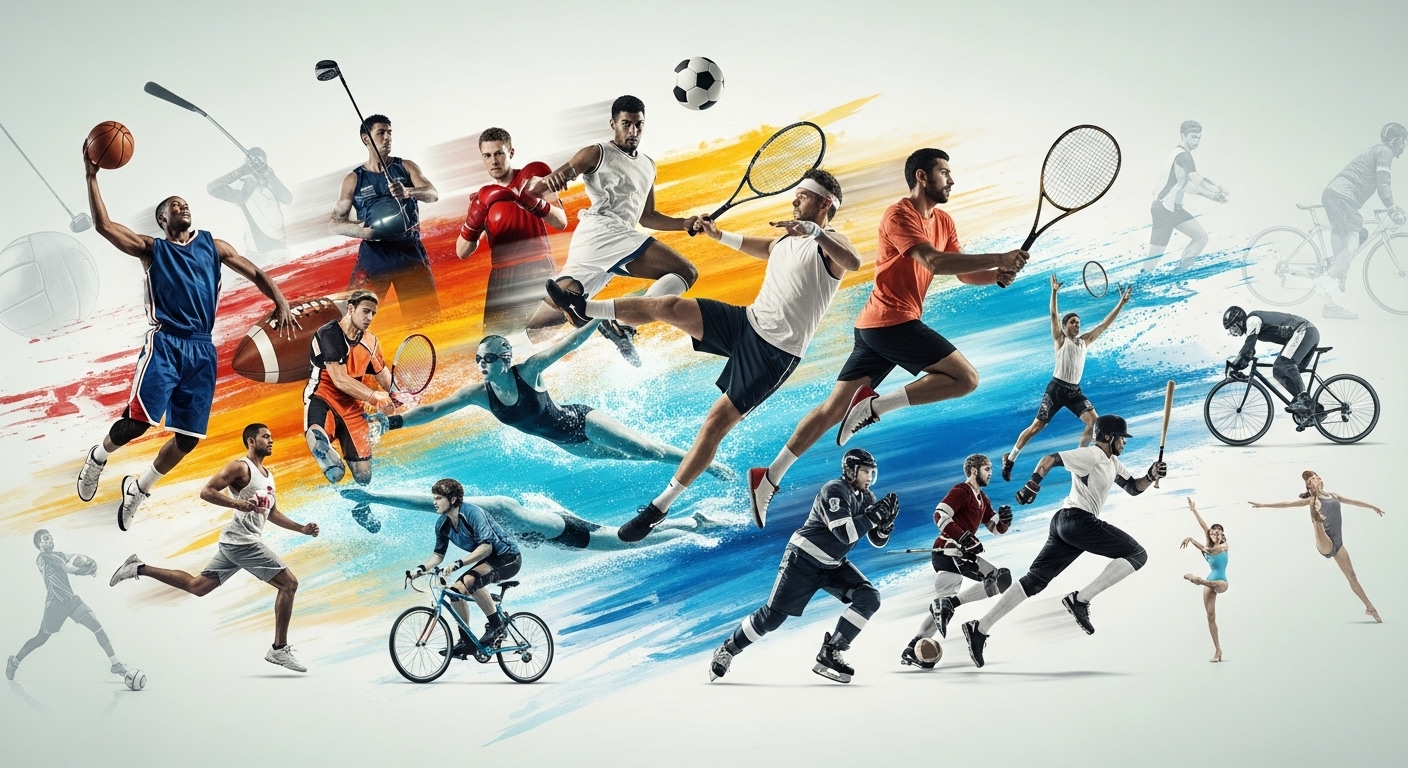
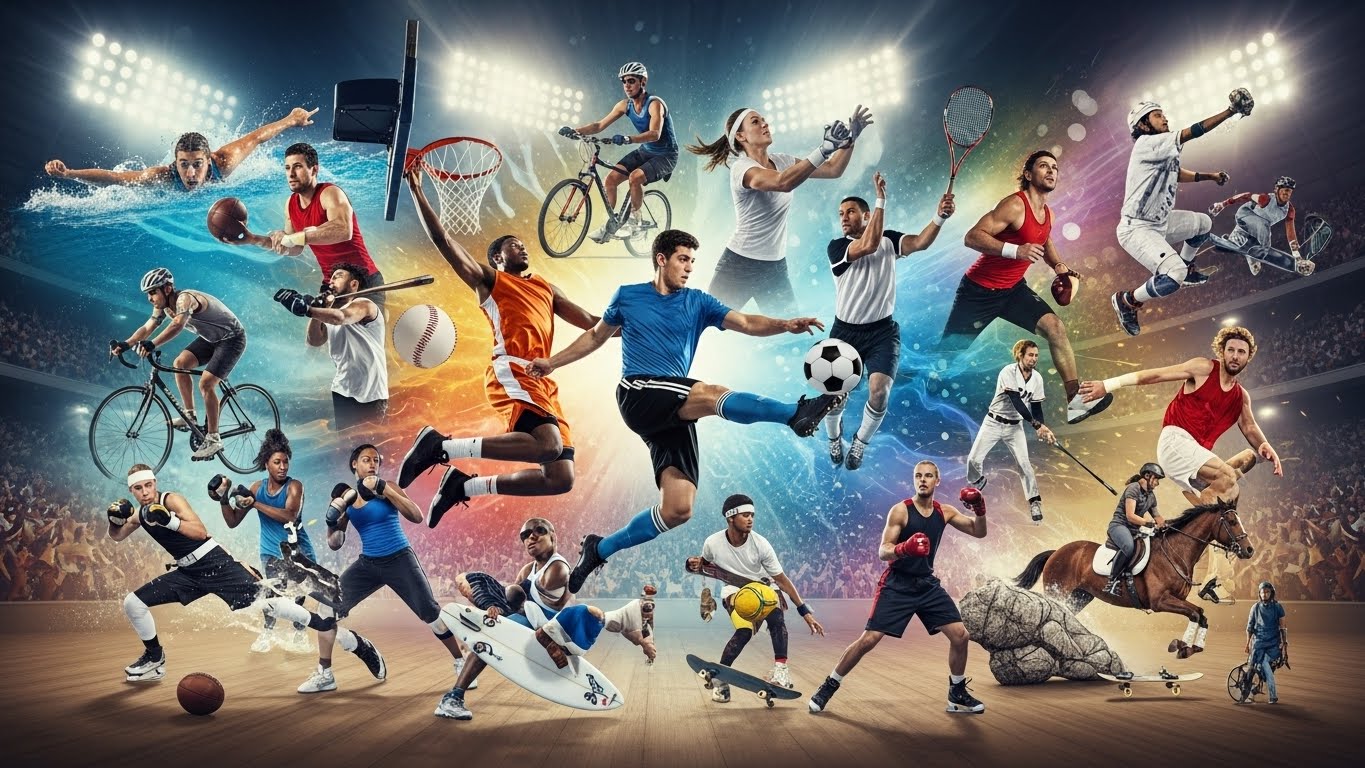
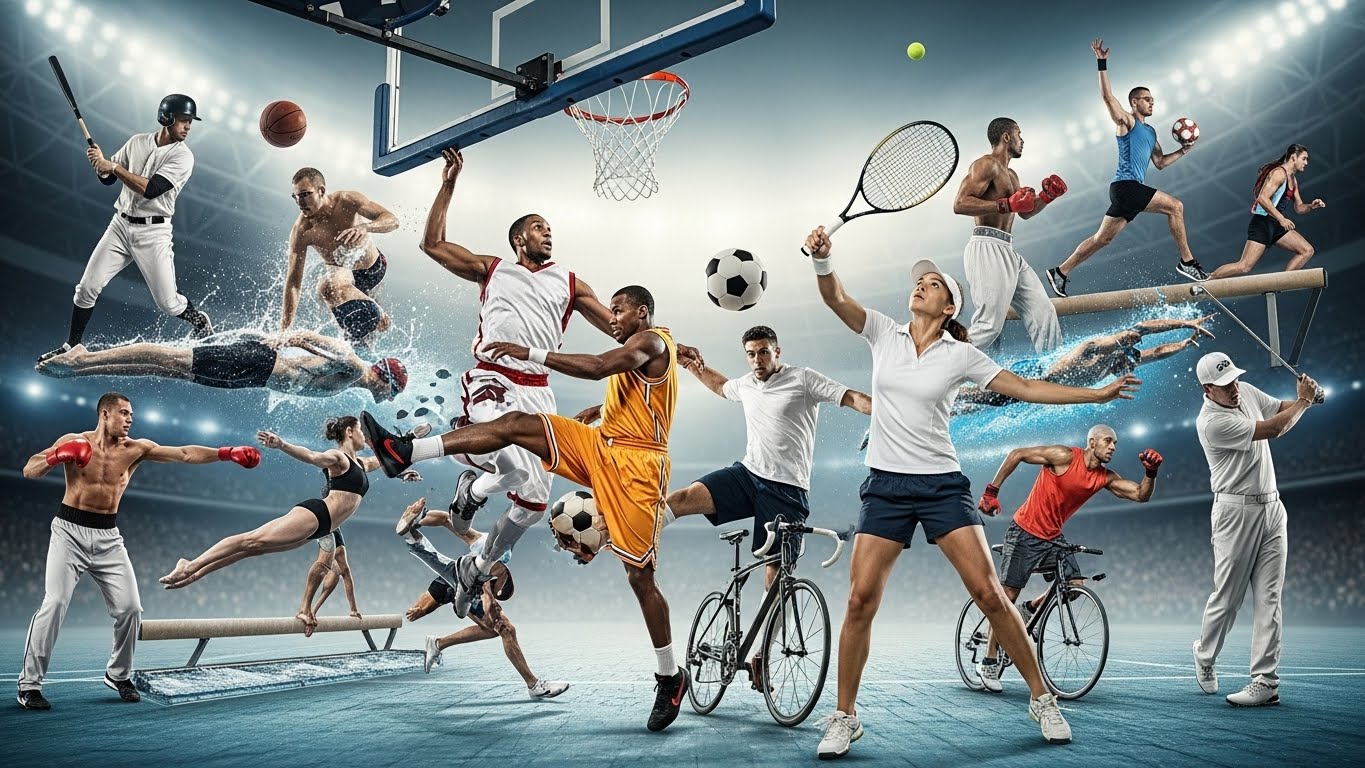
Sports are much more than just physical activities. They are powerful tools for transformation, offering not only entertainment and competition but also shaping individuals and societies in ways we often overlook. From providing opportunities for personal growth to uniting communities, the influence of sports extends far beyond the playing field. In this post, we’ll explore how sports impact various facets of life, from physical health to social connections, mental resilience, and even global diplomacy.
1. The Physical Benefits: A Path to Health and Longevity
When we think of sports, the first thing that comes to mind is usually physical activity. Whether it’s running, cycling, swimming, or playing team sports like football or basketball, these activities are integral to maintaining physical health. Engaging in regular sports helps improve cardiovascular health, increases strength and flexibility, and enhances overall fitness levels.
The benefits of sports are particularly noticeable when it comes to fighting chronic diseases. Conditions like heart disease, obesity, and diabetes are often managed or prevented through regular exercise. Studies have shown that physical activity can help regulate blood sugar, reduce cholesterol levels, and even improve mental sharpness. For older adults, staying active can slow down the aging process, helping to maintain muscle mass and bone density while reducing the risk of falls.
Furthermore, sports encourage people to stay active in a way that feels enjoyable rather than like a mundane workout. Many individuals find that joining a local soccer league, playing tennis, or simply swimming for fun can keep them more engaged and consistent with their exercise routines.
2. Mental Health and Emotional Resilience: The Psychological Impact of Sports
Beyond the physical advantages, sports are an excellent way to boost mental health and emotional well-being. Exercise, in general, is known to release endorphins, the body’s natural mood elevators. Whether it’s the satisfaction of scoring a goal or the camaraderie of playing a game with friends, sports contribute significantly to reducing stress and anxiety.
For individuals dealing with mental health challenges, sports can be a therapeutic outlet. Physical activity provides a structured environment that can give a sense of purpose, helping to mitigate feelings of depression and isolation. Research shows that regular participation in sports can improve self-esteem and foster a more positive self-image, particularly in young people. Sports provide opportunities to overcome personal challenges, set and achieve goals, and build a sense of accomplishment.
Additionally, team sports often teach individuals how to handle adversity, manage stress, and work through setbacks—skills that are transferable to other areas of life. The discipline and resilience required to train for a competition or to bounce back from a tough loss can teach valuable life lessons in perseverance and grit.
3. Building Social Connections and Strengthening Communities
Sports have a unique ability to bring people together. Regardless of culture, language, or background, sports provide a universal platform for social interaction. From local community leagues to international tournaments, sports unite people in a shared experience that transcends social boundaries.
At the local level, sports clubs and teams offer individuals the chance to connect with others in their community. For children, playing on a youth soccer team or joining a basketball league can foster friendships and build a sense of belonging. For adults, engaging in a weekend sports group can provide an avenue for socializing, reducing feelings of loneliness, and creating lasting bonds.
On a larger scale, major international sporting events like the FIFA World Cup or the Olympics serve as global gathering points where nations can come together in the spirit of friendly competition. These events encourage cultural exchange and mutual respect among participants and fans alike. Though the focus is on competition, the shared passion for sports fosters unity, even among rival nations.
Moreover, sports have a long history of breaking down social barriers. Icons like Jackie Robinson, Muhammad Ali, and Billie Jean King challenged societal norms, fought against racial and gender inequalities, and used sports as a platform to advocate for social change. In this way, sports have become a vehicle for progress, offering a space where important societal conversations can take place.
4. Sports and Character Development: Life Skills Through Play
Sports are an invaluable tool for teaching life skills, many of which are learned in the heat of competition and practice. The virtues of teamwork, leadership, accountability, and discipline are inherent in sports. For instance, team sports require individuals to collaborate, communicate, and support one another to achieve a common goal. These skills are highly transferable to professional environments and other social settings.
One of the most important life lessons learned through sports is resilience—the ability to recover from failure. Whether it’s losing a match or making an error on the field, sports offer numerous opportunities to practice bouncing back from disappointment. Athletes learn that setbacks are not the end of the journey but part of the process. This lesson in perseverance is crucial for both personal and professional growth.
Additionally, sports teach time management. Athletes often juggle practices, games, and academic or professional responsibilities, which requires effective scheduling and prioritization. Developing time management skills early on through sports can help individuals become more organized and efficient in other areas of their lives.
5. The Role of Sports in Education
In educational settings, sports are essential in shaping the development of young people. Schools and universities worldwide recognize the importance of sports in fostering well-rounded students. Physical education programs offer students the opportunity to explore various sports, develop new skills, and stay active.
For many students, participation in sports can also enhance academic performance. Studies have shown that students who participate in physical activities tend to have better concentration, improved cognitive function, and higher test scores. The structure and routine that sports provide can help students develop habits of focus and discipline that can carry over to their academic work.
Furthermore, sports open the door to scholarships and career opportunities. Many young athletes dream of earning athletic scholarships to attend prestigious universities or competing professionally. The pursuit of excellence in sports can lead to significant educational and career advancements, offering individuals opportunities they might not have otherwise had.
6. Sports as a Global Diplomatic Tool
While sports are often associated with competition, they can also serve as a powerful diplomatic tool. History is filled with examples where sporting events have played a role in bridging divides and fostering peace. The 1992 Barcelona Olympics, for instance, was a symbol of global unity, bringing together athletes from across the world despite the Cold War tensions that existed at the time.
One of the most famous examples of sports diplomacy is the “ping-pong diplomacy” between the United States and China in the early 1970s. The exchange of table tennis players between the two countries played a pivotal role in the normalization of diplomatic relations between China and the U.S., helping to break the ice during a period of intense political rivalry.
Sports can act as a common language between countries, creating opportunities for dialogue and collaboration. International sporting events bring nations together, and the shared experience of cheering for athletes provides a moment of unity in a world often divided by politics and conflict.
7. The Evolution of Sports: Inclusivity and Representation
Over the years, the landscape of sports has evolved significantly, with an increased focus on inclusivity and representation. Women, LGBTQ+ athletes, and people with disabilities are making their presence felt in sports, pushing boundaries and challenging societal expectations.
In particular, the rise of women’s sports has gained global attention. Female athletes like Serena Williams, Simone Biles, and Megan Rapinoe have become household names, not only for their sporting achievements but also for their advocacy on issues of gender equality and social justice. Women’s sports leagues, such as the WNBA and the Women’s World Cup, continue to grow in visibility and influence.
For people with disabilities, the Paralympic Games provide a platform for showcasing extraordinary athleticism. Athletes with disabilities demonstrate that physical limitations do not define an individual’s potential. The inclusion of parasports in global sporting events highlights the power of sport to inspire and break down barriers, promoting a more inclusive and equitable world.
Conclusion: The Enduring Impact of Sports
From the classroom to the playing field, from local communities to international stages, sports continue to shape our lives in profound ways. They are not just about scoring goals or winning medals—they are about creating opportunities, building character, fostering unity, and inspiring change. The transformative power of sports goes beyond the game itself, touching every aspect of human existence and helping to create a healthier, more connected world.
As we look toward the future, the role of sports will only continue to expand. Whether it’s through the health benefits of physical activity, the life lessons learned through competition, or the way sports unite us across cultural and national boundaries, it’s clear that sports will remain a powerful force for good in our world.