sportsleader23
Introduction
Sports have been an integral part of human society for centuries, transcending cultures, languages, and borders. From ancient athletic competitions to modern professional leagues, sports reflect not only physical skill but also the values, aspirations, and collective identity of communities. Whether it is the thrill of victory, the agony of defeat, or the camaraderie among teammates, sports have a unique ability to connect people and inspire individuals.
In this blog, we explore the evolution of sports, their social and cultural significance, the science behind athletic performance, and the way they shape societies around the world. By understanding the impact of sports, we can appreciate their role in personal development, community building, and global culture.
The History of Sports
The history of sports dates back thousands of years. Ancient civilizations such as the Greeks, Egyptians, and Romans organized athletic competitions that were often tied to religious ceremonies or social prestige. Events like the Olympic Games, which originated in ancient Greece, were not just displays of physical prowess but also celebrations of culture and civic pride.
During the Middle Ages, sports became more structured and codified. Archery, jousting, and various forms of ball games were practiced across Europe, serving both recreational and training purposes. With the industrial revolution and the rise of urban centers, organized sports began to take the form we recognize today, with standardized rules, leagues, and formal competitions.
The Cultural Significance of Sports
Sports hold profound cultural significance. They act as a mirror reflecting societal values such as discipline, perseverance, teamwork, and fairness. Sporting events provide a shared experience that can unite entire communities, regions, and nations. Iconic events such as the FIFA World Cup or the Olympic Games often evoke deep national pride, bringing together millions of people in celebration.
Beyond national identity, sports also foster inclusion and diversity. Women’s sports, adaptive sports for athletes with disabilities, and grassroots initiatives around the world demonstrate that sports can be a vehicle for equality, opportunity, and social cohesion.
Popular Sports Around the World
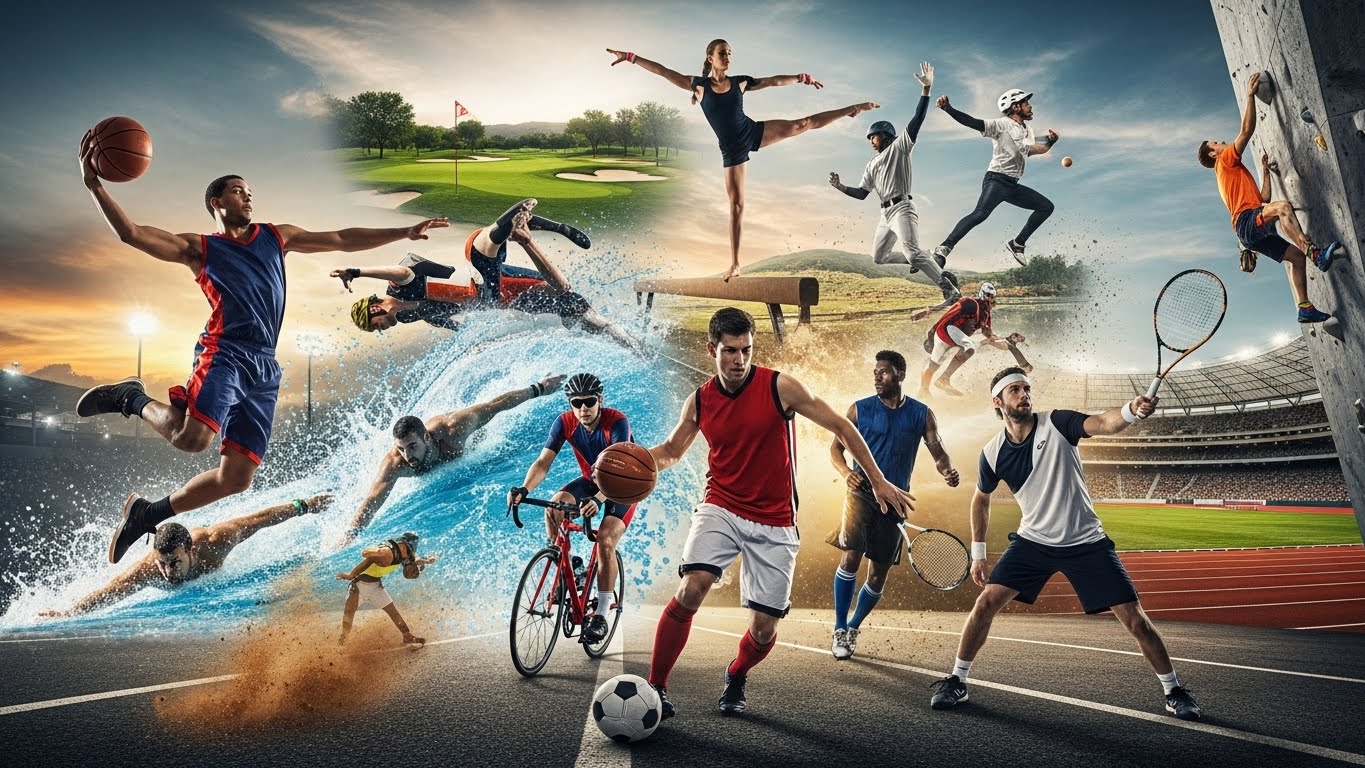
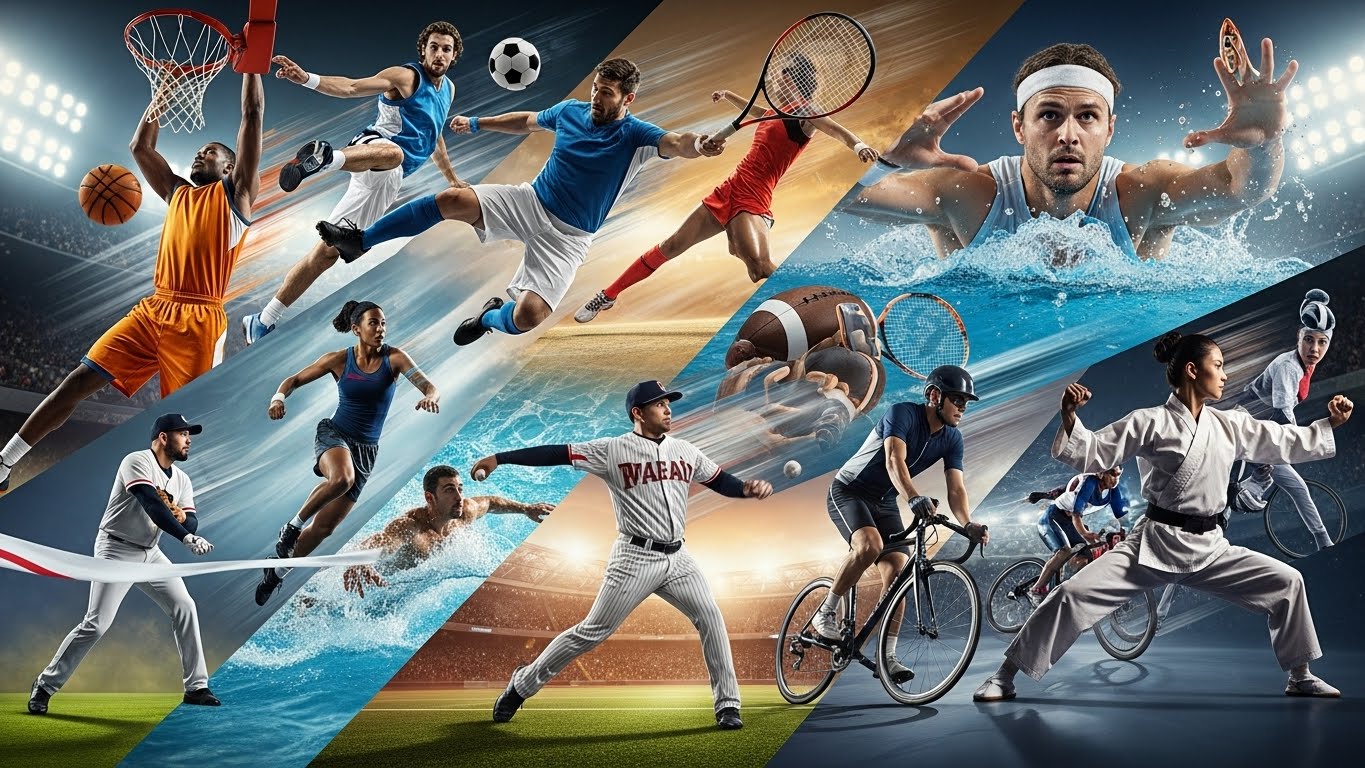
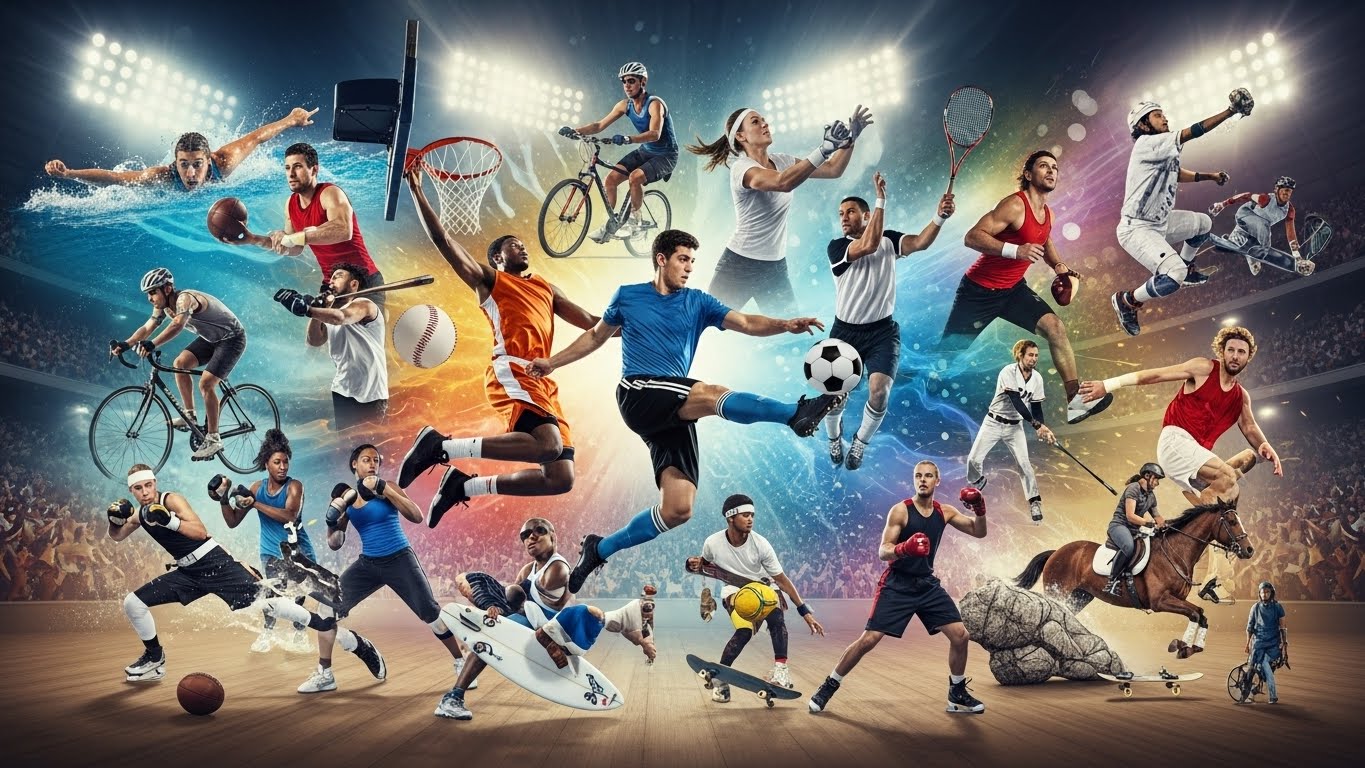
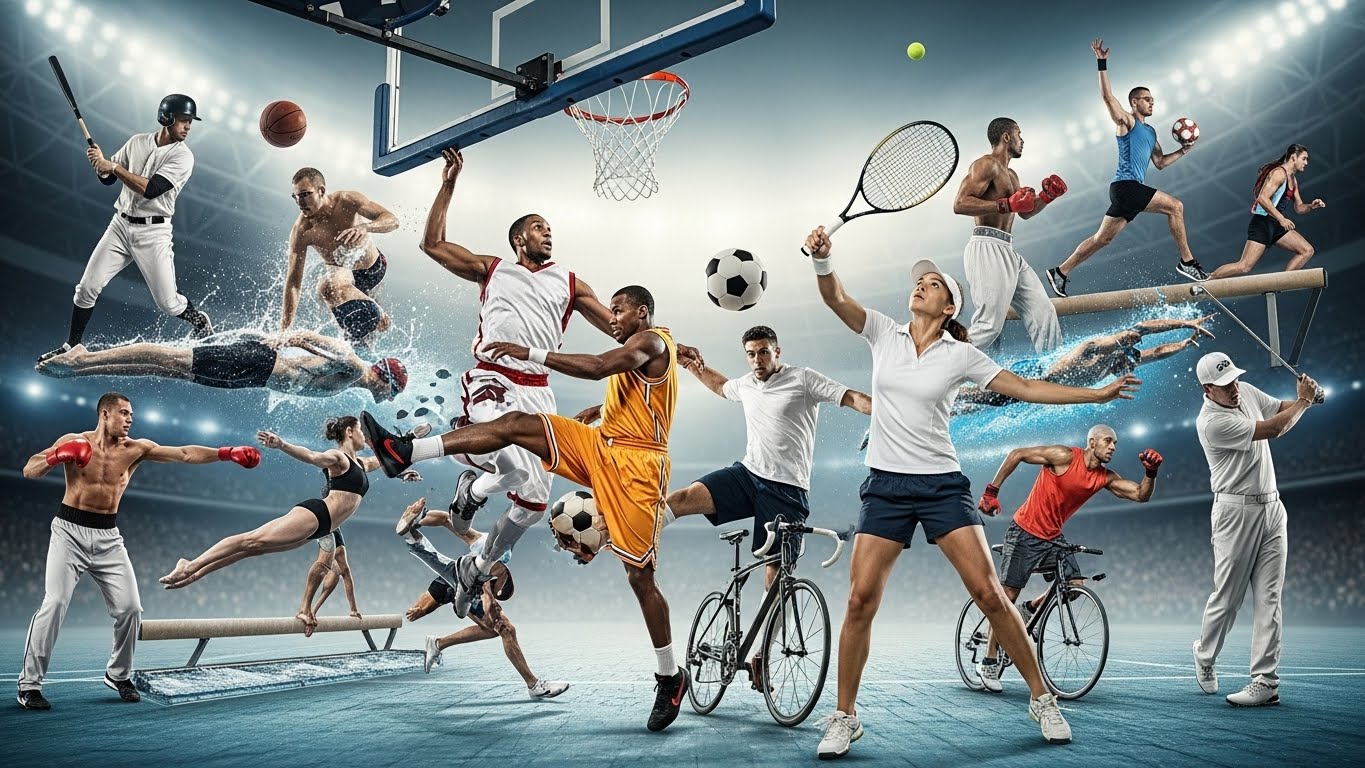
The world of sports is vast and varied, offering something for everyone. Football, or soccer, is the most popular sport globally, known for its accessibility and universal appeal. Basketball has a massive following, particularly in North America, with the NBA becoming a global brand. Cricket holds a central place in countries like India, Australia, and England, combining strategic gameplay with rich cultural traditions.
Other sports, such as athletics, swimming, rugby, tennis, and martial arts, contribute to the diversity of global sports culture. Each sport has its own history, rules, and fan base, providing unique experiences and fostering distinct communities.
The Science of Athletic Performance
Modern sports are deeply intertwined with science and technology. Athletic performance is shaped by physiology, biomechanics, nutrition, and psychology. Understanding how muscles function, how the body responds to training, and how to prevent injuries has revolutionized the way athletes prepare and compete.
Sports science also examines mental resilience and focus. Visualization techniques, stress management, and cognitive training help athletes maintain peak performance under pressure. Advances in data analytics allow coaches and athletes to monitor performance metrics, optimize training, and gain competitive advantages.
The Role of Sports in Education
Sports play a crucial role in education, promoting physical health, teamwork, and personal discipline. Many schools and universities incorporate athletics into their curriculum, offering students opportunities to develop both physically and mentally. Participation in sports fosters time management skills, leadership, and resilience, which are valuable in all areas of life.
Scholarships and athletic programs provide pathways for talented individuals to pursue higher education while developing their sporting abilities. This integration of academics and athletics underscores the importance of sports in shaping well-rounded individuals.
Community and Social Impact
Sports have a remarkable ability to strengthen communities. Local teams, recreational leagues, and community events encourage participation, engagement, and social interaction. They create safe spaces for youth development, mentorship, and personal growth.
In addition, sports can serve as a tool for social change. Programs aimed at promoting gender equality, health awareness, and conflict resolution use sports to inspire positive action. By bringing people together, sports foster understanding, cooperation, and a sense of belonging.
The Economic Power of Sports
Sports have become a significant economic force. Professional leagues, tournaments, sponsorships, and merchandising contribute billions to global economies. Stadiums, sports facilities, and tourism related to major events generate jobs and stimulate local businesses.
Moreover, sports media and broadcasting have transformed sports into a commercial powerhouse. Advertising, endorsements, and digital content reach millions worldwide, making sports a central pillar of the entertainment industry. The economic impact extends beyond professional sports, influencing grassroots programs, youth participation, and recreational facilities.
Sports and Technology
Technology has reshaped sports in numerous ways. Performance tracking devices, wearable sensors, and advanced analytics allow athletes to monitor and improve their abilities. Video replay systems, instant review technologies, and referee assistance tools enhance fairness and accuracy in competition.
Furthermore, digital platforms and streaming services have made sports accessible to global audiences. Fans can watch live events, follow updates in real time, and engage with players and teams across social media. Virtual reality and augmented reality innovations are creating immersive experiences that redefine how fans interact with sports.
Mental Health and Well-Being in Sports
Participation in sports contributes significantly to mental health and well-being. Physical activity reduces stress, boosts mood, and improves cognitive function. Team sports, in particular, provide social support, camaraderie, and a sense of belonging, which are essential for psychological resilience.
Professional athletes face intense pressure, and mental health awareness in sports has become increasingly important. Programs focusing on stress management, counseling, and psychological support are integral to ensuring that athletes thrive both on and off the field.
Challenges in the World of Sports
Despite its many benefits, sports face challenges. Corruption, doping, and unethical practices can undermine the integrity of competition. Ensuring accessibility and inclusivity remains a priority, as economic or social barriers can prevent participation. Additionally, balancing commercialization with the core values of sports is an ongoing challenge.
Climate change and environmental sustainability are also becoming concerns. Large-scale sporting events have significant environmental footprints, requiring innovative strategies to minimize their impact and promote eco-friendly practices.
The Global Influence of Sports
Sports transcend borders and act as a universal language. International competitions foster cross-cultural understanding and diplomacy. Athletes become ambassadors, inspiring millions through their dedication, skill, and sportsmanship.
Global events also influence culture, fashion, and media trends. Sports stories resonate beyond the field, shaping literature, cinema, and art. By connecting people worldwide, sports play a role in fostering peace, unity, and shared human experiences.
The Future of Sports
The future of sports promises innovation, inclusivity, and growth. Advances in technology will continue to enhance training, broadcasting, and fan engagement. Emerging sports, esports, and hybrid formats will expand the definition of athletic competition.
Moreover, the focus on athlete welfare, diversity, and sustainability will shape the industry in profound ways. The next generation of athletes will benefit from enhanced support systems, global networks, and opportunities that were unimaginable a few decades ago. Sports will continue to inspire, challenge, and unite people around the world.
Conclusion
Sports are far more than games; they are reflections of human ambition, culture, and resilience. From local playgrounds to international stadiums, they inspire individuals, strengthen communities, and connect nations. Through physical skill, mental discipline, and shared experience, sports continue to shape society and enrich our lives.
As we look to the future, sports will remain a vital part of our global culture, embodying the spirit of perseverance, teamwork, and excellence. The legacy of sports is a testament to the enduring power of play, passion, and human potential.