sportsleader23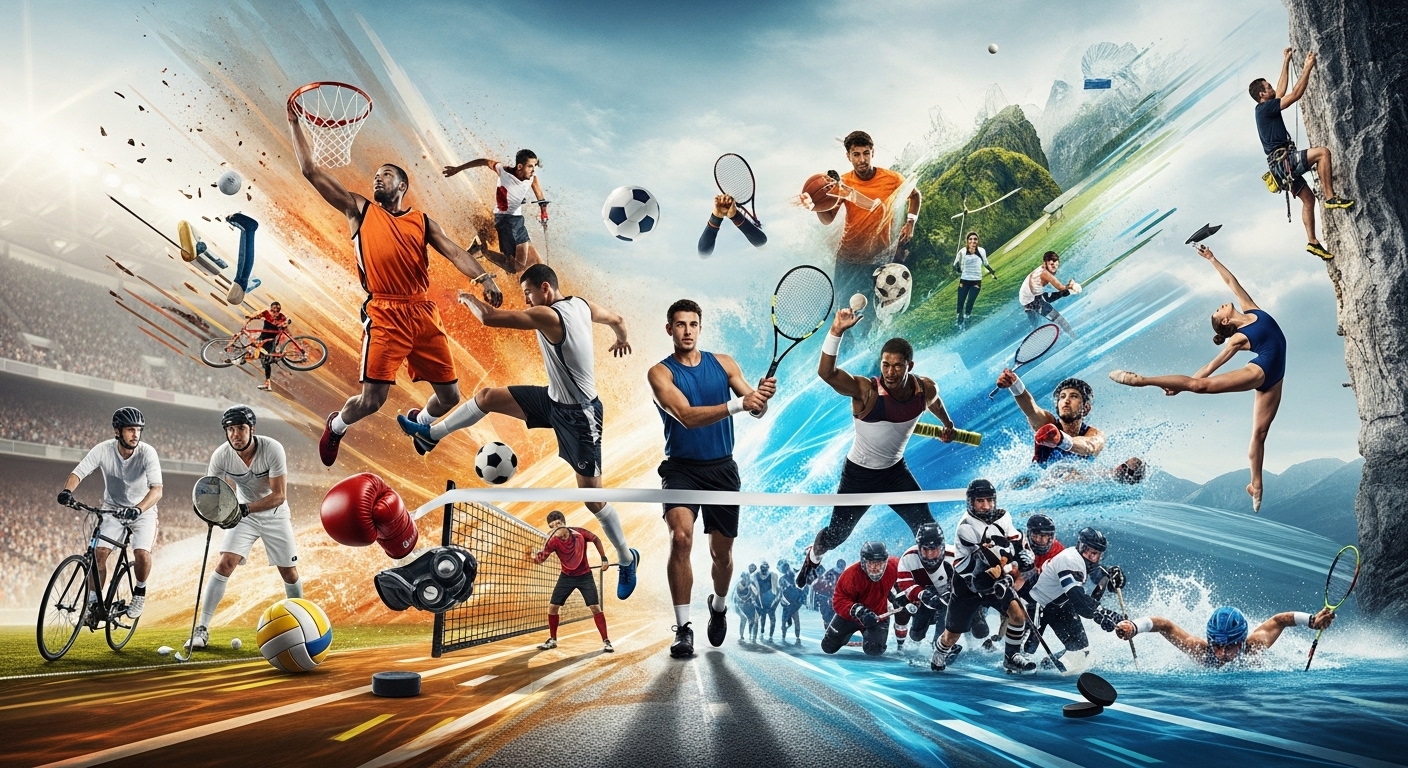
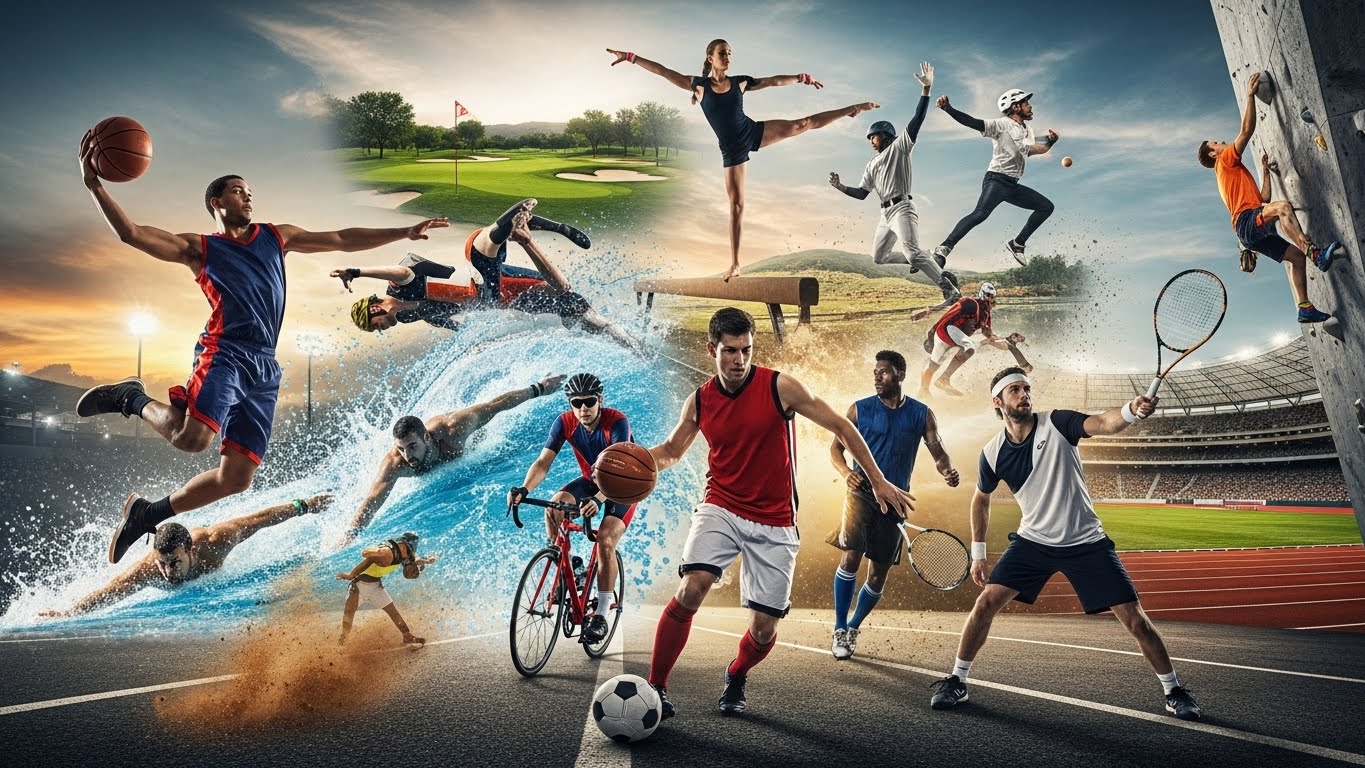
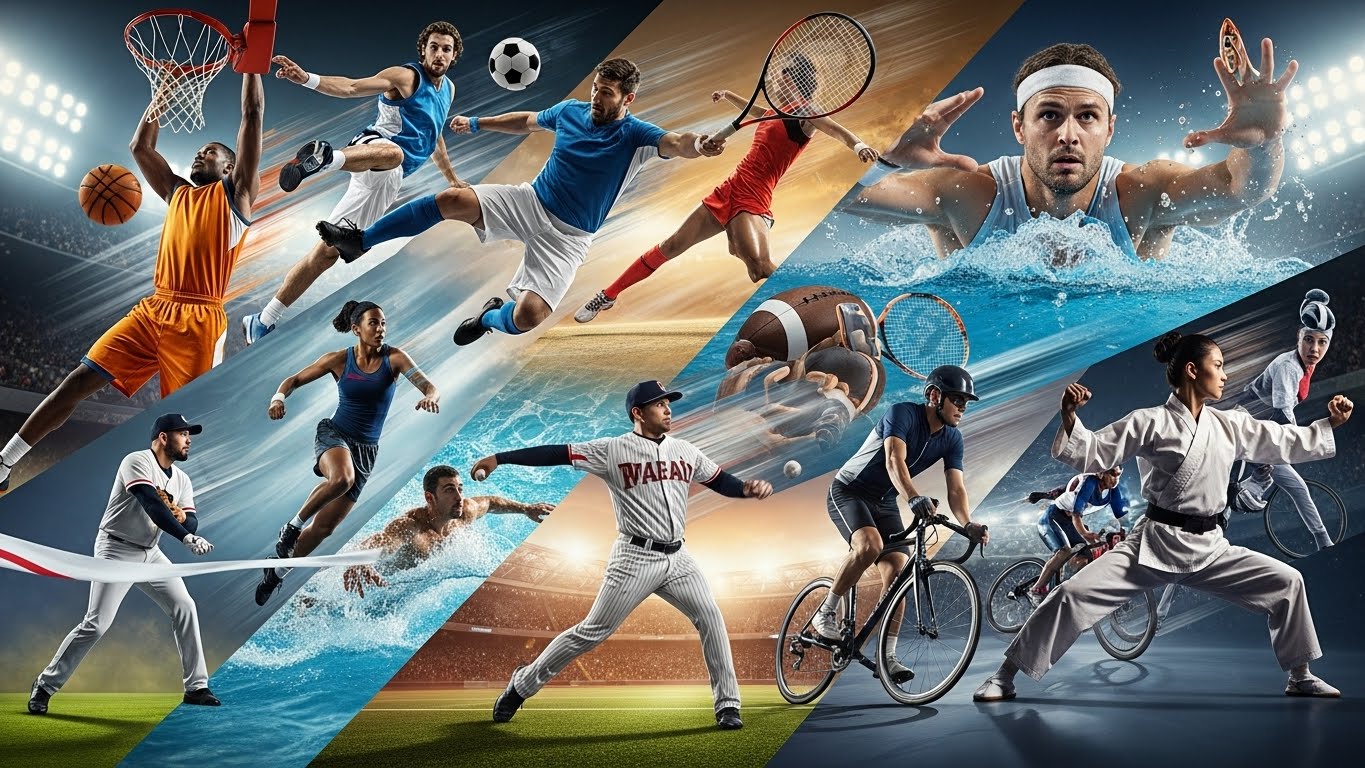
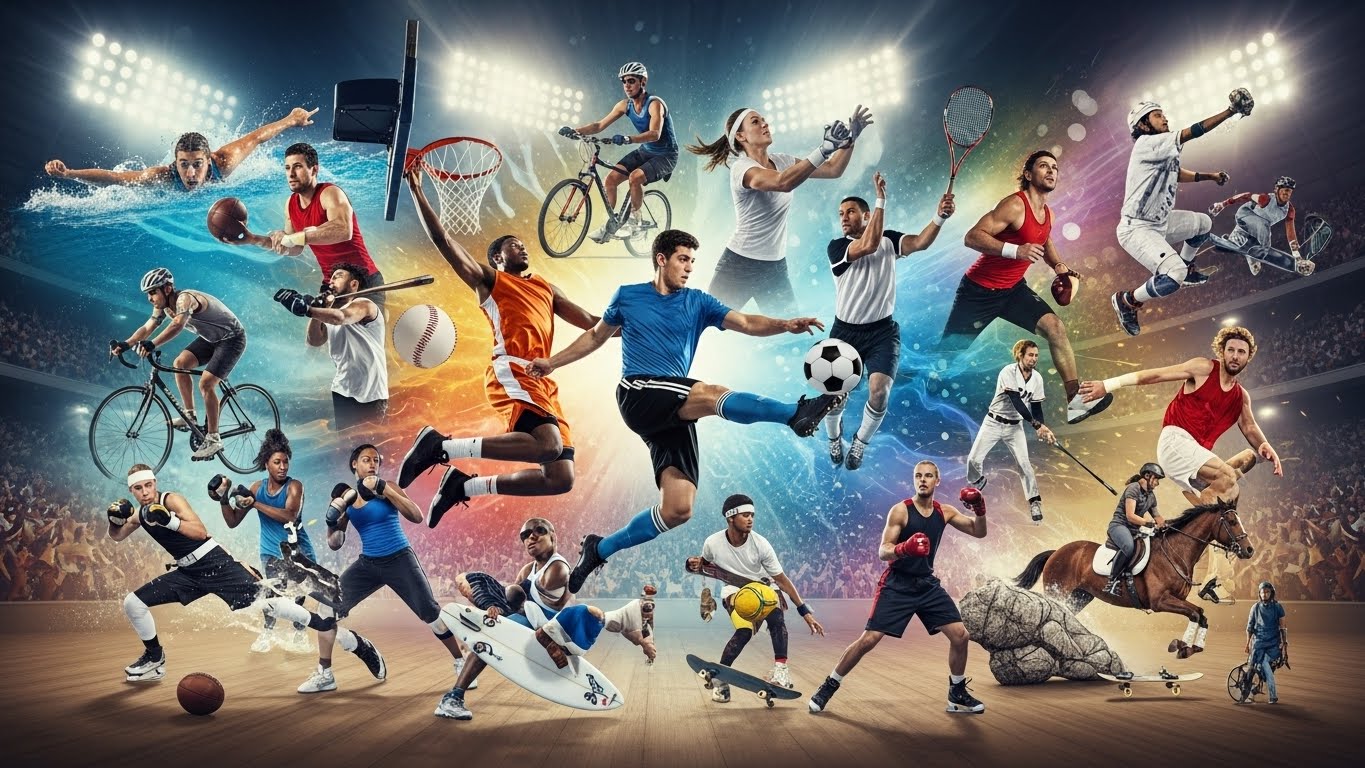
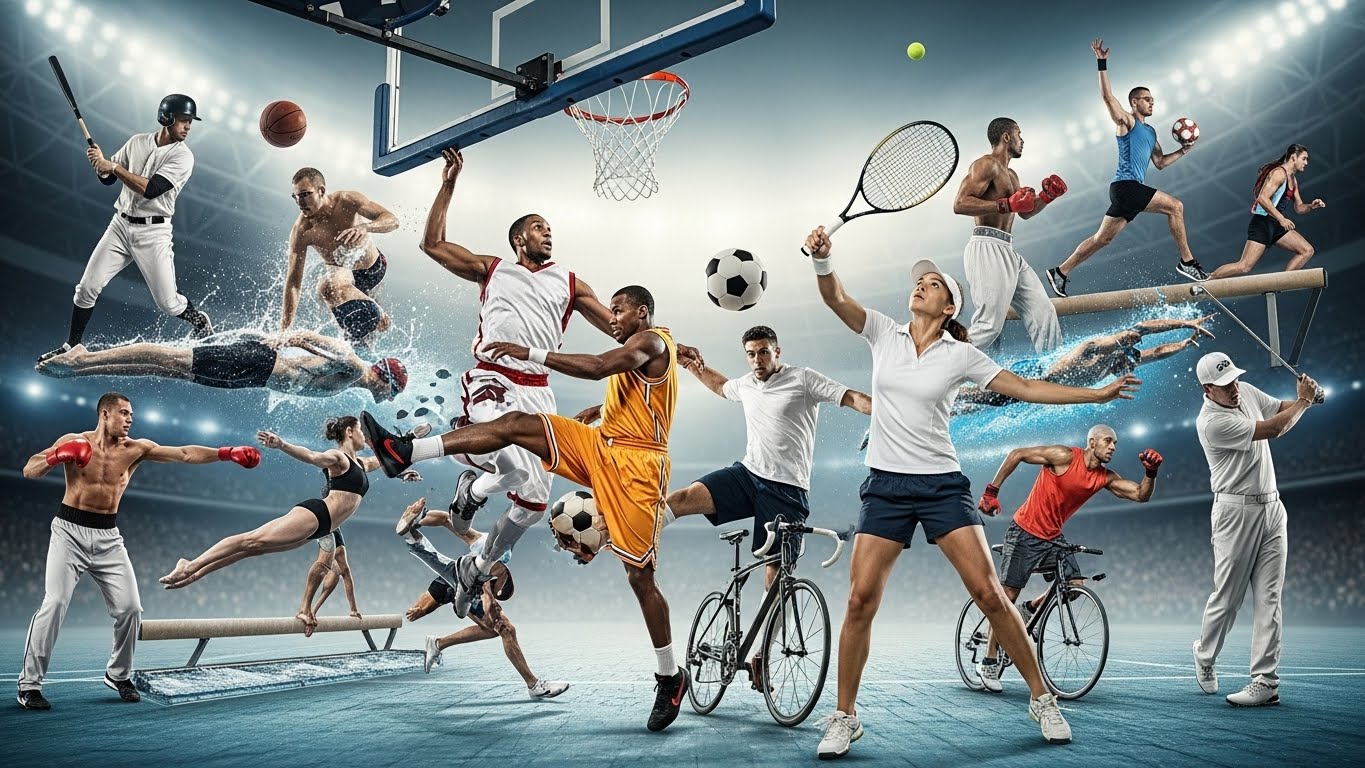
Sports have been an integral part of human society for centuries, growing from simple activities into complex global phenomena that influence economies, shape cultures, and even bring about social change. While many people think of sports as just games or entertainment, their impact goes far beyond the field. From promoting physical health to fostering national pride, sports play a crucial role in the development of individuals and communities worldwide. This blog post explores the multifaceted importance of sports, touching on their cultural, psychological, social, and economic impact, as well as their ability to unite people across the globe.
The Evolution of Sports: From Ancient Traditions to Modern Games
To understand the role of sports in modern society, we must first examine their origins. Sports have existed in some form since ancient civilizations. In ancient Greece, physical contests were used to honor the gods and demonstrate strength, skill, and endurance. The original Olympic Games, which began in 776 BCE, were a celebration of these values. As sports evolved, they spread across the world, taking on different forms and rules depending on the region.
In the Roman Empire, for example, gladiatorial contests and chariot races were extremely popular, showcasing both physical strength and combat skills. These events served as a form of entertainment and were deeply tied to the social and political fabric of Roman society. During the Middle Ages, jousting tournaments were held by European nobility, emphasizing the importance of chivalry and martial prowess.
As time moved on, sports began to formalize, especially during the 19th century, with the creation of standardized rules and the formation of organized competitions. The industrial revolution played a key role in the growth of modern sports. With the advent of mass communication, including the printing press, and improvements in transportation, people could more easily share news of events, and athletes could travel to compete on larger stages.
The 20th century saw the rise of professional sports leagues and global sporting events. The creation of institutions like the International Olympic Committee (IOC) and the development of major leagues in football (soccer), basketball, baseball, and more, made sports a significant part of the global entertainment industry.
The Cultural Impact of Sports: A Mirror of Society
Sports have always been intertwined with culture, serving as a reflection of the values, priorities, and identity of the societies in which they are practiced. The cultural significance of sports can be seen in the pride that nations feel when they host global sporting events like the Olympics or the FIFA World Cup. These events not only showcase athletic talent but also serve as opportunities for countries to showcase their culture, history, and traditions.
National Pride and Unity Through Sports
One of the most powerful aspects of sports is their ability to unite people under a common cause. National pride often reaches its peak during major international competitions, where athletes represent their countries and compete for the honor of their people. The Olympics, for example, are more than just a series of athletic events; they are a celebration of a country’s achievements and a source of national pride.
The success of an athlete or a team in international competition can become a rallying point for an entire nation. This was evident during events such as the 1994 FIFA World Cup, when Brazil’s national team won the tournament, uniting the country in a collective celebration. Similarly, when the United States won gold medals in the 1980 Winter Olympics, a time when the country was in the midst of the Cold War, it became a symbol of strength and unity for the nation.
Even in countries with long histories of political or social divisions, sports have the ability to unite people. In South Africa, for example, the 1995 Rugby World Cup served as a powerful symbol of the nation’s transition from apartheid to democracy. Nelson Mandela’s decision to support the national rugby team, the Springboks, demonstrated the unifying power of sports in bridging deep social divides.
Local Identity and Community Bonds
On a smaller scale, sports serve as a source of pride and identity within local communities. Whether it’s a high school football team or a neighborhood basketball league, sports help forge connections between people. Local teams provide a sense of belonging, as fans rally behind their teams with a sense of shared pride. The connection between athletes and their community creates a unique bond that transcends the playing field.
In many cases, local sporting events are some of the biggest social gatherings in a community. The energy and excitement of these events help bring people together, strengthen social ties, and even generate a sense of local identity. For instance, sports clubs often become a focal point for local social activities, where individuals gather not only to support their teams but also to socialize and form lasting friendships. This is particularly evident in small towns or rural communities where a local sporting event can be the highlight of the year.
The Psychological and Health Benefits of Sports
While sports are often celebrated for their entertainment value, they also offer profound psychological and health benefits. Engaging in physical activity, whether through organized sports or recreational play, plays a vital role in maintaining and improving physical and mental health.
Physical Health: A Foundation for Well-Being
One of the most obvious benefits of sports is their positive impact on physical health. Regular participation in sports helps improve cardiovascular health, builds muscle strength, increases flexibility, and enhances coordination. Engaging in physical activity has been shown to reduce the risk of many chronic diseases, including heart disease, diabetes, and obesity.
For children and adolescents, sports provide an essential foundation for healthy development. Physical activities help build motor skills, improve balance, and increase overall fitness. Early participation in sports teaches children about the importance of exercise and healthy living, laying the groundwork for a lifetime of good health.
Moreover, for older adults, sports and physical activity help preserve mobility and strength, reducing the risk of falls and maintaining independence. Whether it’s jogging, swimming, or playing tennis, staying active can help individuals lead longer, healthier lives, improving overall quality of life as they age.
Mental Health: Boosting Mood and Resilience
In addition to the physical benefits, sports are a powerful tool for promoting mental well-being. Regular exercise triggers the release of endorphins, also known as the “feel-good” hormones, which help reduce stress, anxiety, and depression. For individuals who suffer from mental health conditions, engaging in physical activity can serve as an effective coping mechanism, helping to boost mood and reduce feelings of isolation.
The mental health benefits of sports extend beyond just exercise. Playing sports teaches valuable life skills, including discipline, teamwork, and resilience. Athletes learn how to deal with failure, setbacks, and challenges, developing mental toughness and perseverance. The camaraderie and support of teammates can also help foster a sense of community and belonging, which is especially important for individuals dealing with loneliness or social isolation.
The discipline and structure that sports provide can also improve self-esteem and self-confidence. Achieving goals, whether it’s improving personal performance or helping a team win, contributes to a sense of accomplishment and boosts overall well-being.
The Economic Impact of Sports
Sports are not just an important cultural and social phenomenon; they also have a profound economic impact. The global sports industry is worth billions of dollars and provides jobs for millions of people around the world. From professional leagues and broadcasting rights to merchandise sales and tourism, sports play a crucial role in the global economy.
Job Creation and Industry Growth
The sports industry generates a wide range of employment opportunities. This includes jobs for athletes, coaches, referees, and team staff, as well as for media personnel, marketers, event organizers, and medical professionals. Large sporting events such as the Olympics, the Super Bowl, or the FIFA World Cup create additional jobs in fields such as security, logistics, hospitality, and transportation.
Furthermore, sports play an important role in local economies. When cities host large events, they benefit from the influx of tourists and the spending that accompanies it. Hotels, restaurants, transportation services, and retail businesses all experience a boost in revenue during major sporting events. For example, the 2016 Summer Olympics in Rio de Janeiro created tens of thousands of jobs and generated significant economic activity for Brazil.
Infrastructure Development
Hosting large-scale sporting events also drives infrastructure development. New stadiums, transportation networks, and public facilities are often built to accommodate the needs of athletes and spectators. While these projects require significant upfront investment, the long-term benefits can be substantial. Improved infrastructure can enhance a city’s tourism appeal, boost local business, and create lasting value for the community.
In addition to creating jobs and driving infrastructure development, sports also promote the growth of related industries such as broadcasting, sportswear manufacturing, and sponsorship. The global popularity of sports leagues such as the NFL, NBA, and UEFA Champions League has led to a multi-billion-dollar industry built around broadcasting rights, merchandise sales, and sponsorship deals.
Sports as a Catalyst for Social Change
Beyond entertainment and economic growth, sports also have the power to drive social change. Athletes and sports organizations have used their platform to raise awareness about pressing social issues, advocate for equality, and push for reforms.
Breaking Social Barriers
Throughout history, sports have played a key role in breaking down social, racial, and gender barriers. One of the most notable examples is Jackie Robinson, who broke Major League Baseball’s color barrier in 1947. His success paved the way for other African American athletes and helped to bring attention to issues of racial inequality in the United States. Similarly, athletes like Muhammad Ali, Billie Jean King, and more recently, Colin Kaepernick, have used their visibility to speak out on issues of race, gender, and injustice.
In recent years, sports have become an important platform for advocating social causes. Athletes have taken stands on issues ranging from LGBTQ+ rights to climate change, using their popularity to amplify important messages. The rise of social media has made it easier than ever for athletes to connect with fans and raise awareness about social issues, further cementing the role of sports as a powerful tool for change.
Conclusion: The Enduring Power of Sports
Sports have evolved far beyond their origins as simple pastimes or forms of entertainment. Today, they are an essential part of the fabric of society, influencing culture, health, economics, and social progress. Whether through fostering national pride, promoting physical and mental well-being, driving economic growth, or breaking down social barriers, sports hold the power to bring people together and inspire positive change.
As we move further into the 21st century, the role of sports in society will only continue to grow. From local communities to global arenas, the impact of sports will continue to shape and transform the world. Whether as athletes, fans, or observers, we are all part of this shared experience, bound by the universal language of sports.