sportsleader23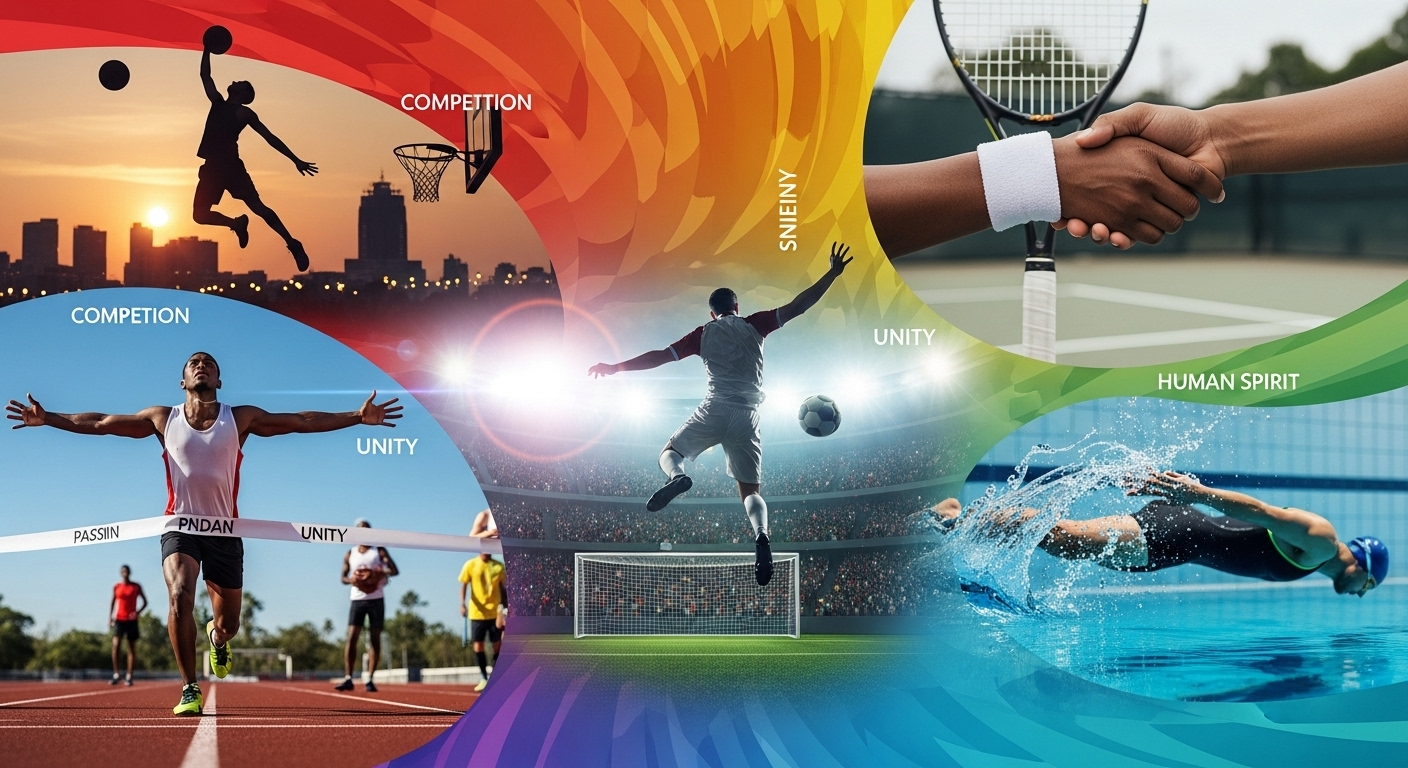
Introduction
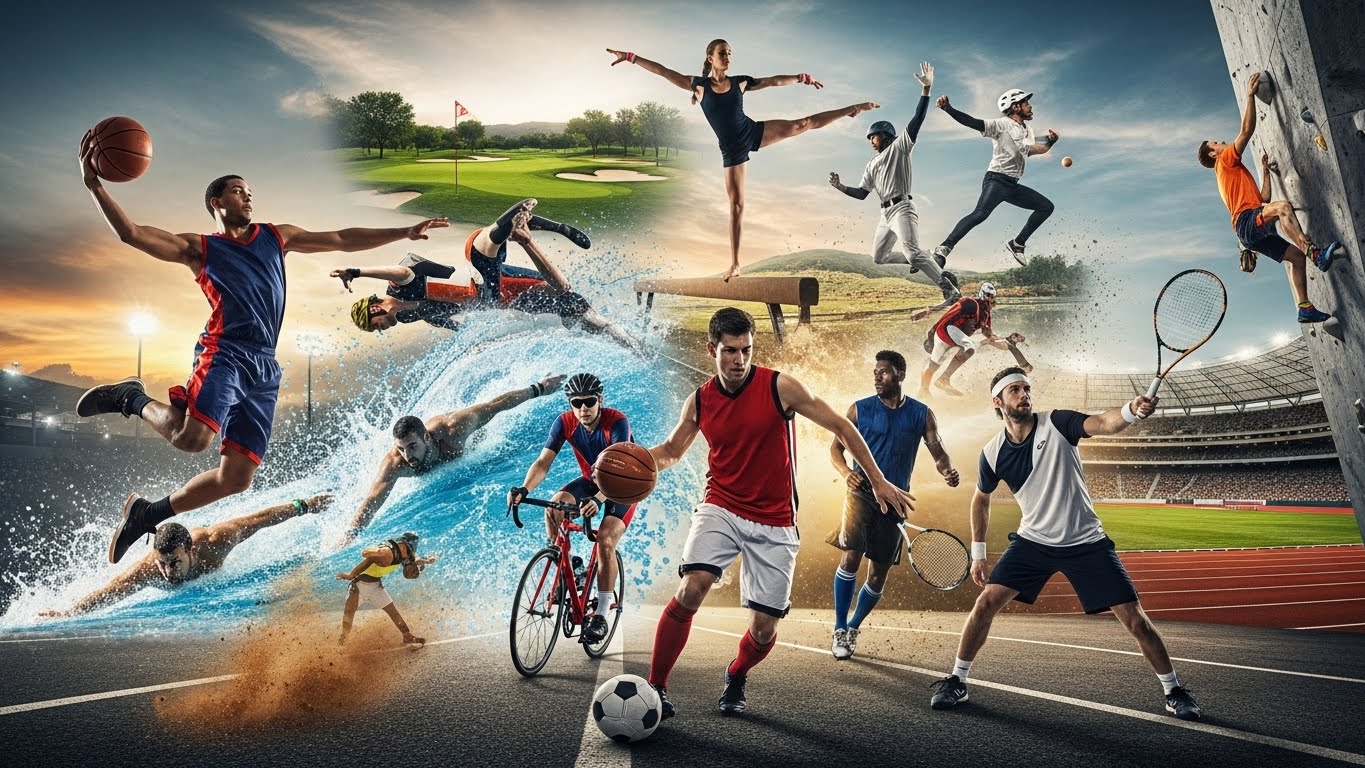
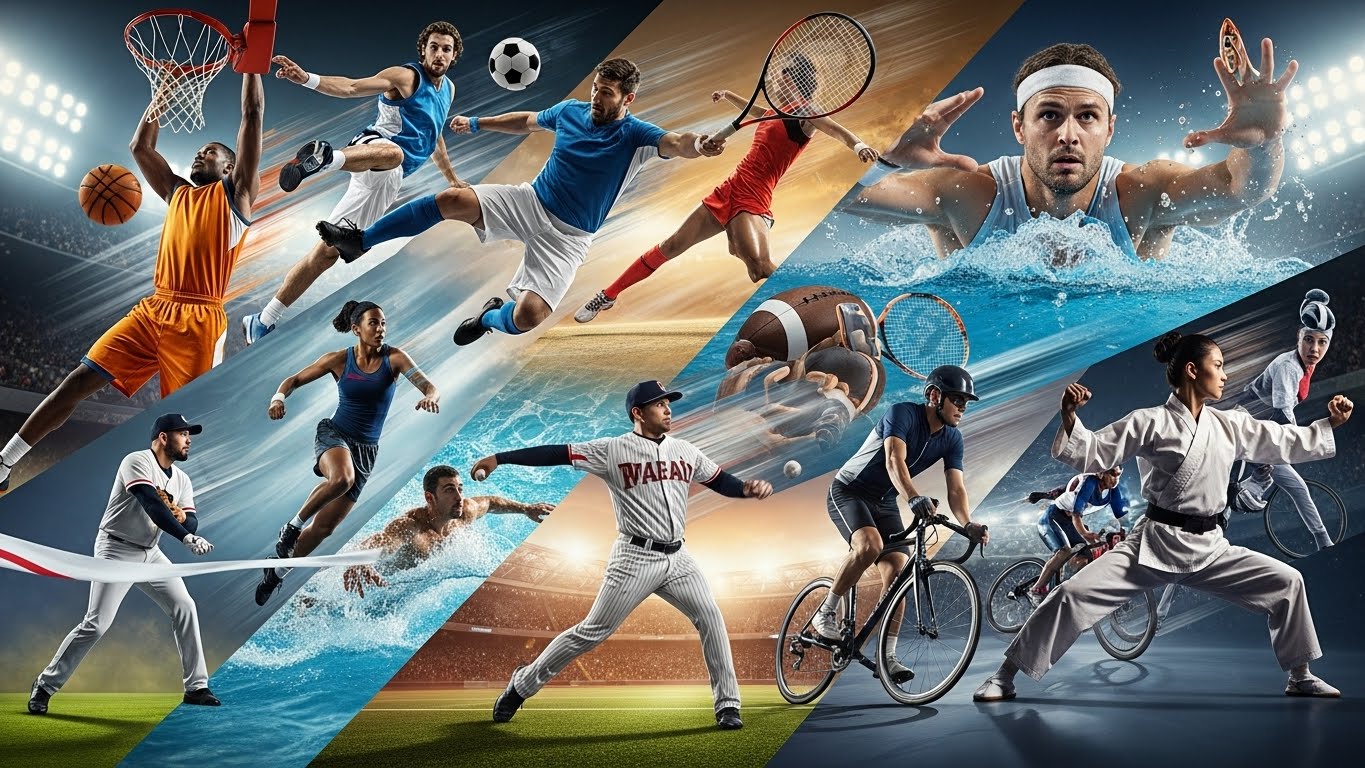
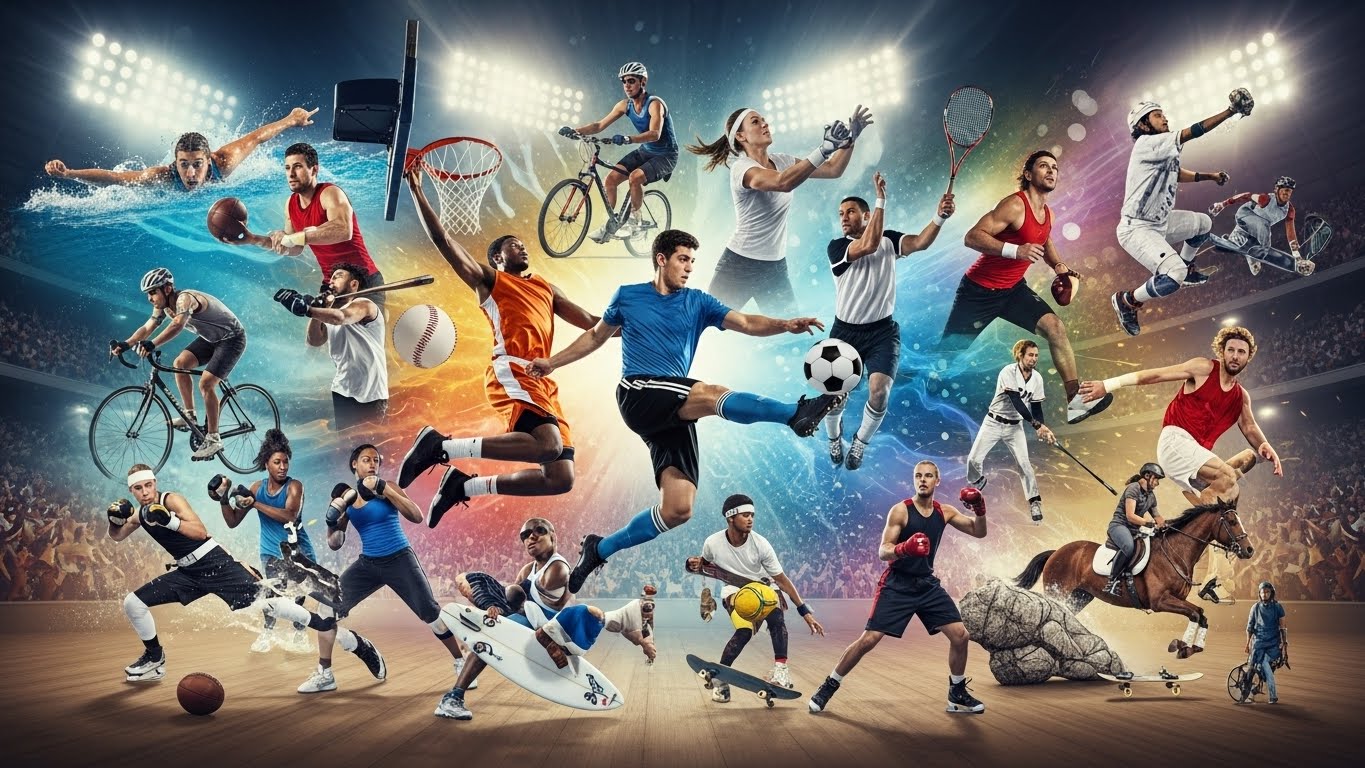
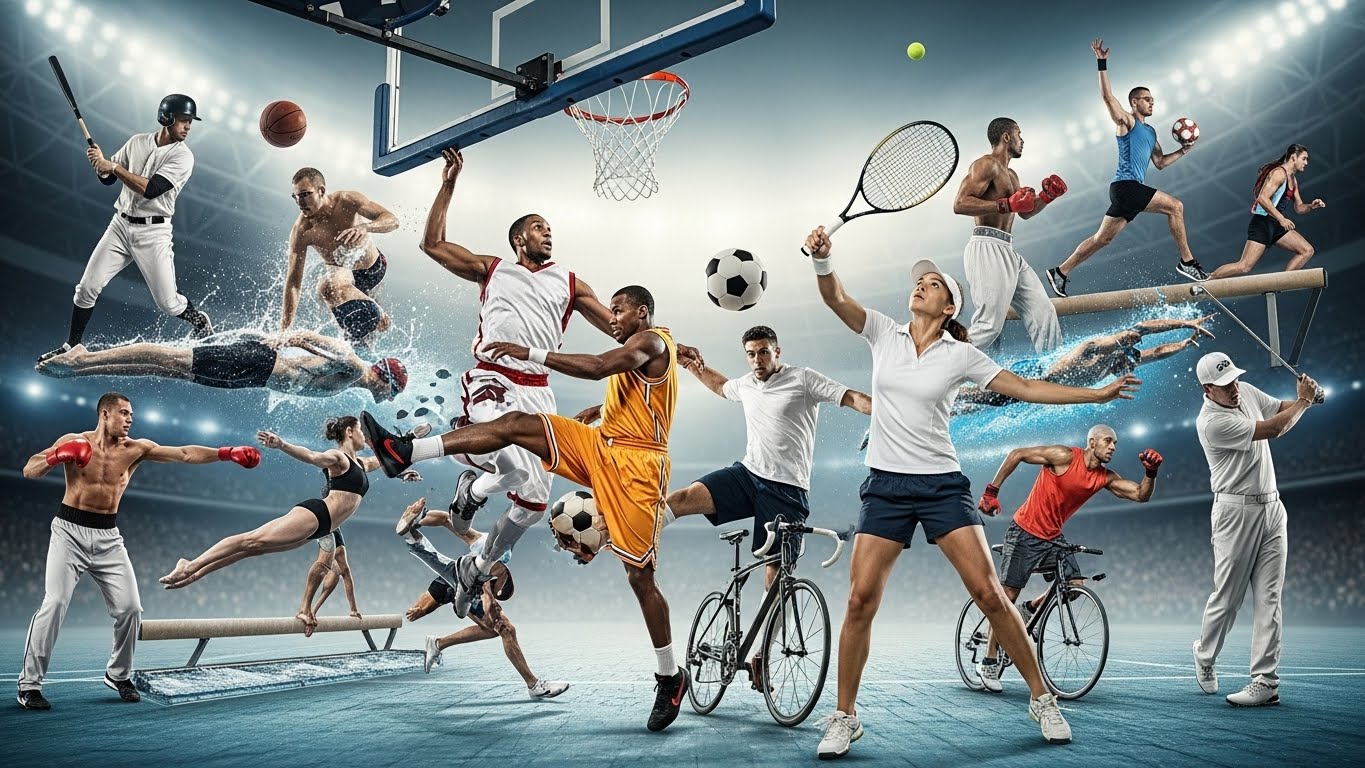
Sports have always been one of the greatest expressions of human ability and spirit. They are not just about physical strength or skill, but about the will to overcome challenges, the passion to improve, and the drive to unite people across boundaries. From ancient civilizations to the modern world, sports have played a powerful role in shaping societies, inspiring generations, and teaching lessons that go far beyond the playing field. Whether it is football, cricket, basketball, tennis, athletics, or any other discipline, the world of sports is filled with stories of perseverance, emotion, teamwork, and transformation.
The Historical Roots of Sports
The history of sports dates back thousands of years. Ancient civilizations such as the Greeks, Romans, Egyptians, and Chinese engaged in organized competitions to celebrate strength, honor, and courage. The Olympic Games, first held in ancient Greece around 776 BC, were created as a tribute to the gods and as a celebration of human excellence. Participants competed in running, wrestling, chariot racing, and more. These early competitions were more than entertainment; they were rituals that connected communities and reflected cultural values.
As time passed, sports evolved alongside human civilization. The Middle Ages saw the rise of tournaments and jousting matches, where knights displayed bravery and skill. In Asia, martial arts developed as both spiritual and physical practices. In Africa, traditional games and hunting competitions served as a form of community bonding and training for survival. Each culture contributed something unique to the global tapestry of sports, making it one of the most diverse and universal aspects of human life.
The Modern Transformation of Sports
The modern era of sports began in the 19th century when formal rules, professional organizations, and international competitions started to emerge. This period marked the birth of sports as we know them today. The reintroduction of the Olympic Games in 1896 signaled the start of a new global sports movement. Around the same time, football, cricket, and baseball were developing into organized sports with international appeal.
Advancements in technology, media, and transportation helped bring sports to every corner of the world. Fans could now watch games live, follow their favorite athletes, and participate in a shared global experience. Sports became not only a form of recreation but also a source of national pride and identity.
The Emotional Connection Between Fans and Sports
One of the most remarkable aspects of sports is the deep emotional connection fans have with teams and players. For many, sports are more than just games; they are a part of life. Fans celebrate victories as if they were personal achievements and mourn losses with genuine sadness. This connection comes from the stories behind the athletes, the shared memories of great matches, and the sense of belonging that comes from being part of a community.
Sports stadiums become places of unity, where people of different backgrounds, beliefs, and languages come together to cheer for a common goal. Whether it is the roar of a packed football stadium or the quiet tension of a tennis final, the emotions that sports evoke are universal. They remind us that, despite our differences, we all understand the thrill of victory and the pain of defeat.
The Role of Sports in Character Building
Sports are one of the most powerful teachers in life. They teach discipline, perseverance, teamwork, humility, and respect. Athletes learn that success does not come easily and that effort and patience are essential. They face challenges, injuries, and failures, yet continue to push forward. These experiences shape their character and prepare them for life beyond the field.
For young people, sports can be a source of inspiration and personal growth. Playing a sport teaches responsibility, self-confidence, and social skills. It encourages goal setting and time management. Most importantly, it provides a positive outlet for energy and emotion, keeping young minds focused and motivated.
The Global Language of Sports
Sports transcend borders and languages. A football match in Brazil, a cricket game in India, or a basketball tournament in the United States can attract fans from all around the world. The rules might differ, but the passion is the same everywhere. Sports act as a global language that connects people in ways that words cannot.
International tournaments such as the Olympics, the FIFA World Cup, and the Cricket World Cup bring nations together in celebration and competition. These events promote peace, respect, and cultural exchange. They remind us that the human spirit thrives on unity, not division.
Sports and Technology: A Modern Revolution
The role of technology in sports has become more significant than ever. From advanced training equipment and analytics to video replays and wearable devices, technology has transformed how athletes train, perform, and recover. Coaches now rely on data to improve strategies, and athletes use sensors to track performance and prevent injuries.
Broadcasting and social media have also changed the way fans engage with sports. Every moment, every goal, every record is shared instantly with millions of viewers. Athletes are no longer just players; they are global icons whose influence extends beyond the field.
Women in Sports: Breaking Boundaries
The journey of women in sports has been one of resilience and triumph. For centuries, women were excluded or discouraged from participating in many sports. However, determination and courage have changed that narrative. Today, female athletes compete at the highest levels, inspire millions, and redefine what it means to be strong.
Icons like Serena Williams, Simone Biles, and Megan Rapinoe have become symbols of excellence and empowerment. Their success has opened doors for future generations of girls to dream bigger and believe in their abilities. Women’s sports have grown in popularity and respect, proving that talent and passion know no gender.
Sports as a Tool for Social Change
Beyond competition, sports have the power to drive social progress. Many athletes and organizations use their platforms to raise awareness about important issues such as racism, poverty, equality, and health. Sports can unite communities, promote inclusion, and break down stereotypes.
In times of crisis, sports can offer hope and healing. After wars, natural disasters, or national tragedies, games often serve as moments of unity and recovery. They remind people of their shared humanity and the importance of perseverance.
The Economic Impact of Sports
Sports are not only a source of entertainment but also a major global industry. From ticket sales and sponsorships to broadcasting rights and merchandise, the business of sports generates billions of dollars each year. Major events such as the Olympics or World Cup boost tourism, create jobs, and stimulate local economies.
Athletes, too, have become influential figures in marketing and branding. Their popularity drives consumer trends and shapes cultural conversations. This intersection of sports and business has created opportunities and challenges, requiring balance between commercial success and the true spirit of competition.
Health and Wellness Through Sports
In a world where sedentary lifestyles and health problems are on the rise, sports offer a natural remedy. Physical activity strengthens the body, improves mental health, and boosts overall well-being. Regular participation in sports reduces the risk of chronic diseases and promotes longevity.
Beyond physical health, sports also improve emotional resilience. They help relieve stress, enhance mood, and build social connections. Communities that promote sports and physical activities often enjoy better quality of life and stronger social bonds.
The Future of Sports
As the world continues to evolve, so will sports. The next generation will witness advancements in technology, new forms of digital engagement, and even virtual competitions. Esports, or competitive video gaming, has already gained massive global popularity and recognition as a legitimate sporting discipline.
Environmental awareness is also becoming a key factor in sports development. Sustainable stadiums, eco-friendly equipment, and responsible event management are shaping the future of global competitions. The focus is shifting towards creating a balance between excitement, innovation, and responsibility.
The Spirit That Never Fades
What makes sports truly timeless is not just the competition or the trophies, but the human stories behind them. The moments of victory after years of hard work, the comebacks from devastating injuries, the underdogs who defy all odds—these are the stories that inspire the world. They remind us that greatness is not about perfection, but about persistence and heart.
Every athlete, from a local player to an international superstar, embodies the same spirit: the courage to dream, the will to fight, and the grace to accept both victory and defeat. That is what makes sports a reflection of life itself.
Conclusion
Sports have always been more than just games. They are an expression of humanity’s best qualities—discipline, unity, and passion. From ancient arenas to modern stadiums, from children playing in the streets to professionals on the world stage, sports continue to shape our cultures, communities, and identities.
The beauty of sports lies in their universality. They bring people together, teach valuable life lessons, and inspire generations to push beyond limits. No matter the country, the language, or the game, the spirit of sports reminds us of what we can achieve when we strive with heart and purpose.
As long as there are dreams to chase and goals to reach, sports will continue to shine as one of humanity’s greatest treasures—a symbol of endurance, joy, and unity that connects us all.