sportsleader23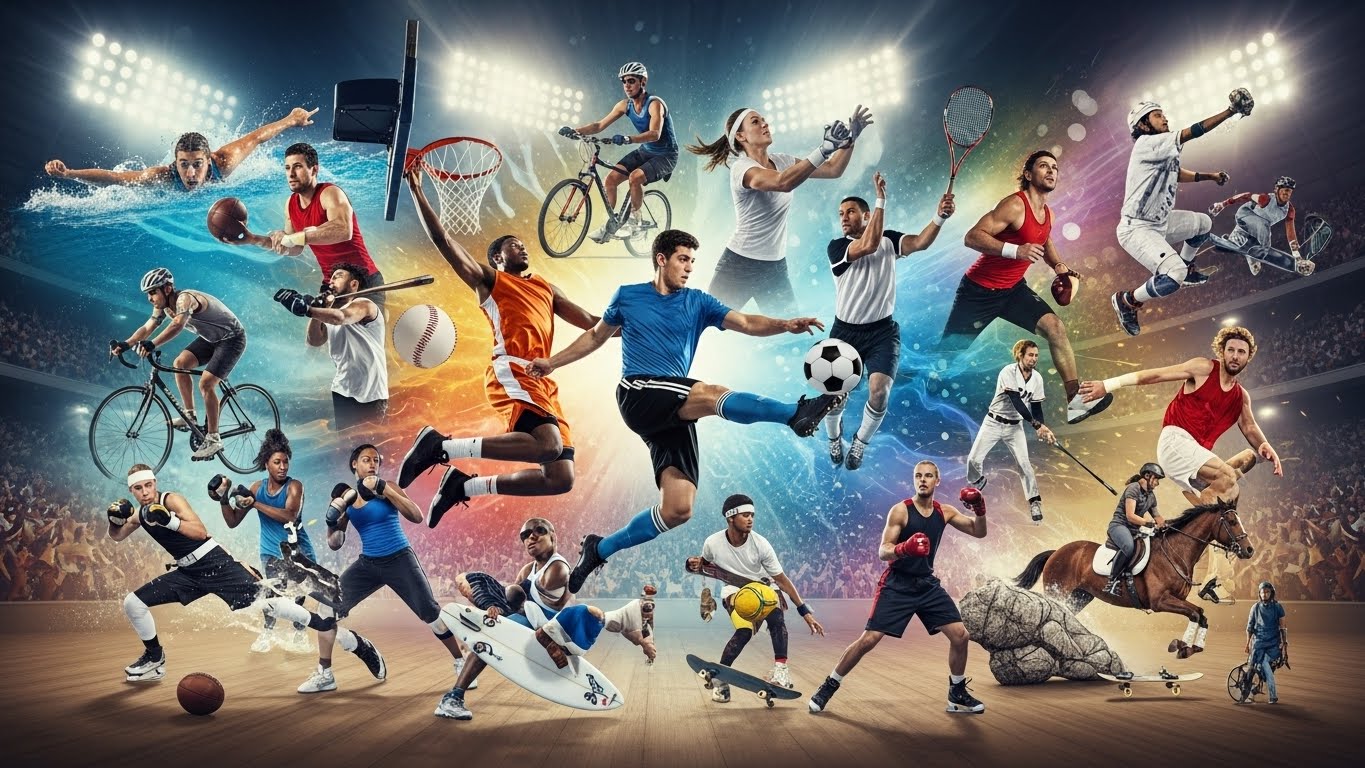
Introduction
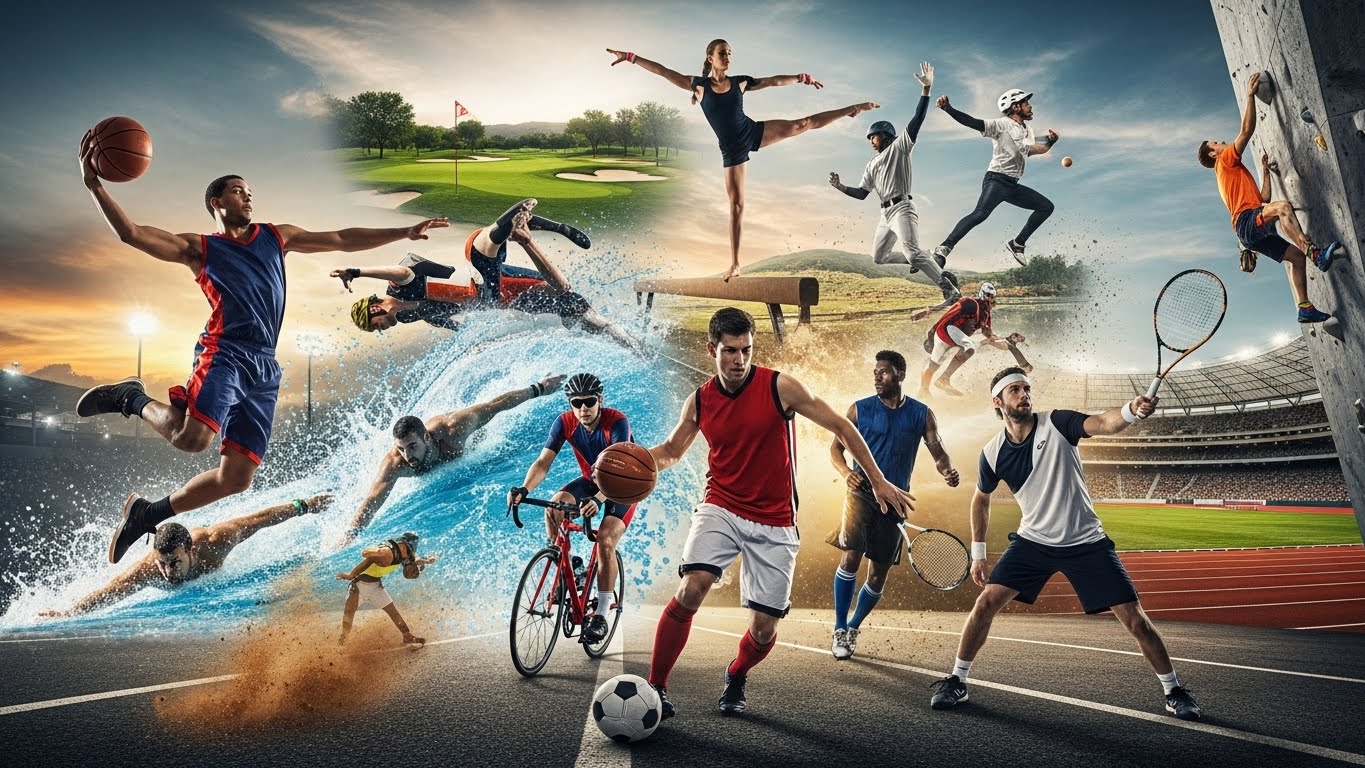
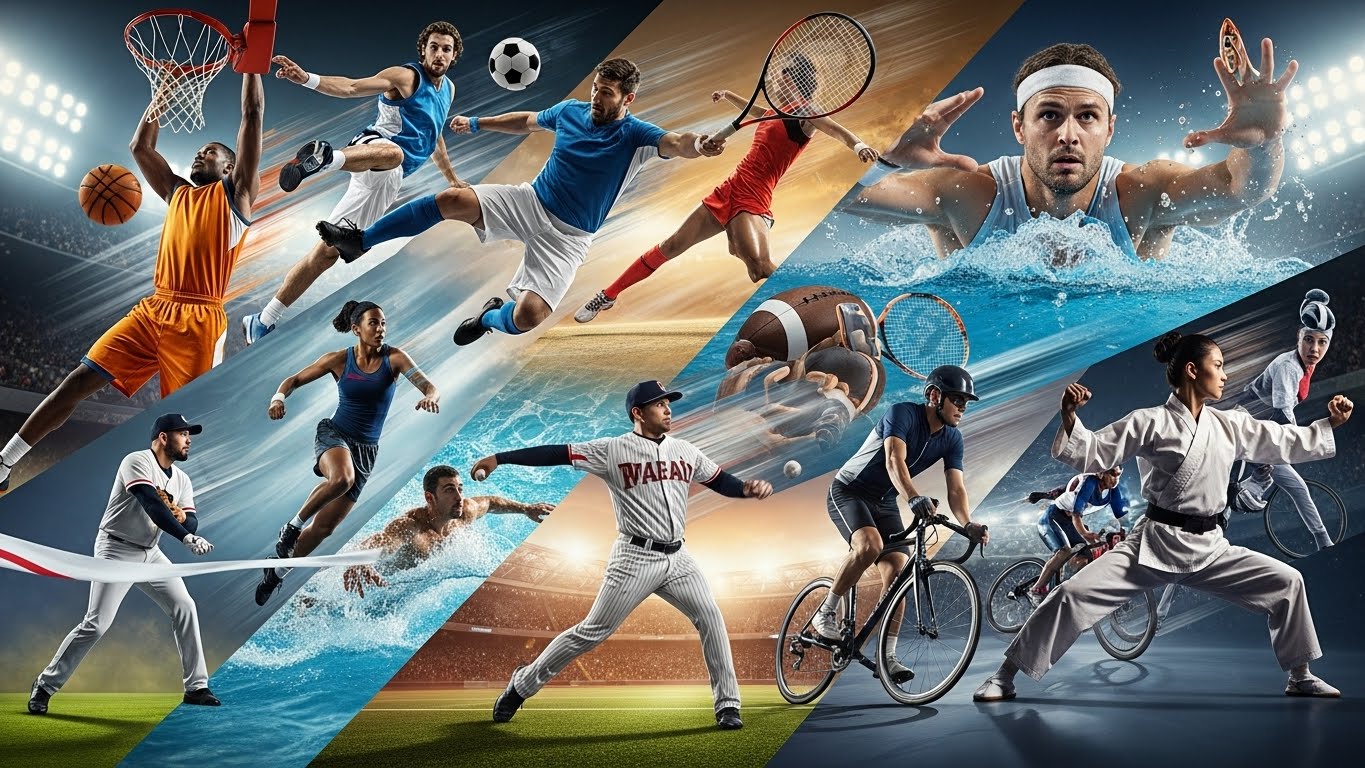
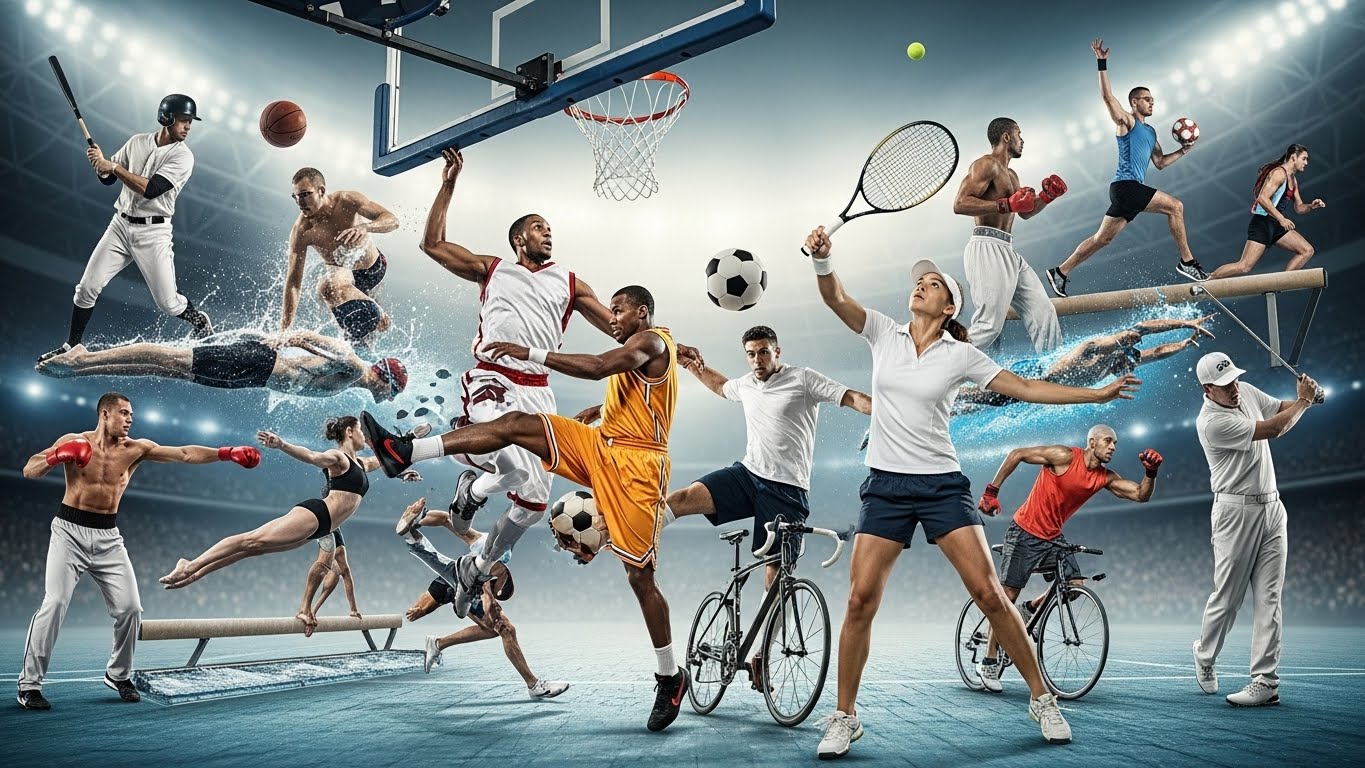
Sports have always held a unique place in human society, transcending borders, cultures, and generations. From the local fields where children kick a ball to the global arenas where athletes compete for world titles, sports are far more than mere entertainment. They are a reflection of human perseverance, discipline, and the drive to overcome challenges. While the thrill of competition and the spectacle of victory capture public attention, the true impact of sports goes far deeper. It influences physical health, mental well-being, social cohesion, and even personal development. In this blog, we explore the multifaceted role of sports, examining their evolution, significance, and transformative power in individual and community life.
The Historical Evolution of Sports
Sports have existed in some form since the earliest civilizations. Ancient cultures recognized the value of physical competition for both entertainment and the cultivation of skill. The Greeks celebrated athletic excellence through the Olympic Games, showcasing running, wrestling, and discus throwing. In Rome, gladiatorial contests combined skill, strength, and courage, often becoming public spectacles. Meanwhile, in Asia, martial arts were practiced not just as combat skills but as a discipline for the mind and body. Over centuries, sports evolved into structured activities with standardized rules, organized competitions, and recognized institutions. This evolution mirrors humanity’s enduring fascination with testing limits, celebrating excellence, and cultivating community through shared experiences.
The Physical Benefits of Sports
The most obvious impact of sports is on physical health. Regular engagement in sports strengthens the cardiovascular system, improves muscular strength, and enhances coordination and flexibility. Activities such as swimming, running, and cycling promote endurance, while team sports like soccer and basketball develop agility and reflexes. Physical activity through sports reduces the risk of chronic diseases, helps maintain a healthy weight, and contributes to overall longevity. Beyond structured exercise, sports instill habits of fitness and movement that carry into daily life, encouraging individuals to adopt healthier lifestyles. These benefits are particularly important in modern societies where sedentary behavior is prevalent.
Mental Health and Emotional Resilience
Sports also have profound effects on mental health. Engaging in physical activity releases endorphins, the natural chemicals that elevate mood and reduce stress. Regular participation in sports can lower anxiety levels, improve focus, and boost self-esteem. Beyond the biochemical benefits, sports teach emotional resilience. The challenges of competition, the pressure of performance, and the inevitability of losses provide opportunities to develop coping skills, manage disappointment, and celebrate achievements with humility. Team sports, in particular, enhance social interaction and communication skills, contributing to a sense of belonging and emotional stability. Sports, therefore, act as a natural catalyst for both mental well-being and personal growth.
Life Lessons Learned Through Sports
One of the most valuable aspects of sports is the life lessons it imparts. Discipline, perseverance, teamwork, and leadership are cultivated through regular practice and competitive participation. Athletes learn to set goals, devise strategies, and work consistently toward improvement. Handling victory with grace and defeat with dignity teaches humility and resilience. These lessons extend beyond the field or court, shaping character and influencing personal and professional life. Sports become a metaphor for life itself, where effort, preparation, and adaptability determine success, and failure provides insight for future growth.
Sports as a Social Connector
Sports play a critical role in uniting communities. Local leagues, school competitions, and neighborhood games foster social cohesion and create shared experiences. Major sporting events, such as the World Cup or the Olympics, bring together people from diverse backgrounds, creating a sense of collective identity and pride. Fans develop connections through support of teams or athletes, and discussions about sports often bridge generational and cultural gaps. Sports provide an arena for inclusion and interaction, where people can celebrate achievement, share passion, and participate in a communal culture that strengthens societal bonds.
The Economic Impact of Sports
Beyond physical and social benefits, sports contribute significantly to economic development. Professional leagues, sporting events, merchandise, sponsorships, and media rights generate billions of dollars annually. Sporting events stimulate local economies by attracting tourism, creating employment, and encouraging infrastructure development. Stadiums, training facilities, and sports academies provide spaces for both professional and recreational activities. The economic ripple effect of sports demonstrates that their influence is not limited to personal development but extends to broader societal prosperity and opportunity.
Women in Sports and Gender Equality
The rise of women’s sports has challenged traditional norms and expanded opportunities for female athletes globally. Over the past few decades, women have excelled in sports historically dominated by men, showcasing talent, determination, and professionalism. The success of female athletes inspires younger generations and promotes gender equality both within sports and society at large. Increased visibility and recognition of women’s sports have led to greater advocacy for equal pay, access to resources, and fair representation. Sports, therefore, serve as a powerful platform for social change and empowerment, redefining societal perceptions of gender roles.
Youth Engagement in Sports
Encouraging youth participation in sports has long-term benefits for society. Grassroots programs, school teams, and community leagues introduce children and adolescents to structured physical activity, teaching fundamental skills, discipline, and teamwork. Early involvement in sports nurtures a sense of responsibility, time management, and goal-setting. Moreover, participation in youth sports provides a safe and constructive outlet for energy, creativity, and social interaction. Investing in youth sports is an investment in healthier, more connected, and motivated future generations.
The Role of Technology in Modern Sports
Technology has transformed the way sports are played, viewed, and analyzed. Advanced training equipment, performance tracking devices, and video analysis help athletes improve efficiency and technique. Broadcast innovations, live streaming, and virtual fan experiences have enhanced accessibility and engagement, allowing fans worldwide to follow competitions in real-time. Additionally, analytics in professional sports enable coaches to strategize more effectively and make informed decisions. Technology bridges the gap between athletes and audiences, making sports more immersive, competitive, and data-driven than ever before.
Sports and Mental Conditioning
Beyond physical training, sports demand mental conditioning. Elite athletes often engage in visualization, focus exercises, and mindfulness to prepare for high-pressure situations. Mental strength is essential for consistent performance, coping with setbacks, and maintaining motivation. Sports psychology has become an integral part of training, helping athletes manage anxiety, build confidence, and enhance decision-making under stress. The mental discipline cultivated through sports equips individuals with tools to navigate challenges in various aspects of life, emphasizing that success in sports is as much about the mind as the body.
The Global Stage: International Competitions
International sporting events have become powerful symbols of unity, competition, and excellence. The Olympics, World Cup, and other global tournaments showcase the pinnacle of athletic achievement and bring together diverse nations in peaceful competition. These events inspire athletes to reach their potential and fans to celebrate human achievement collectively. International competitions also highlight cultural exchange, respect for diversity, and global collaboration, illustrating that sports can serve as a bridge between nations and a platform for shared human experience.
Conclusion
Sports are far more than games; they are instruments of personal development, social cohesion, and global unity. They enhance physical health, nurture mental resilience, and teach lessons that extend into all areas of life. Sports connect communities, inspire youth, empower women, and contribute to economic growth. They celebrate human effort, discipline, and creativity, reminding us of our shared potential and capacity for achievement. In a rapidly changing world, sports remain a timeless force that shapes lives, communities, and cultures. Beyond the thrill of competition, sports embody the spirit of human endeavor, teaching us to strive, persevere, and come together in celebration of what we can accomplish collectively.