sportsleader23
Introduction: The Significance of Sports
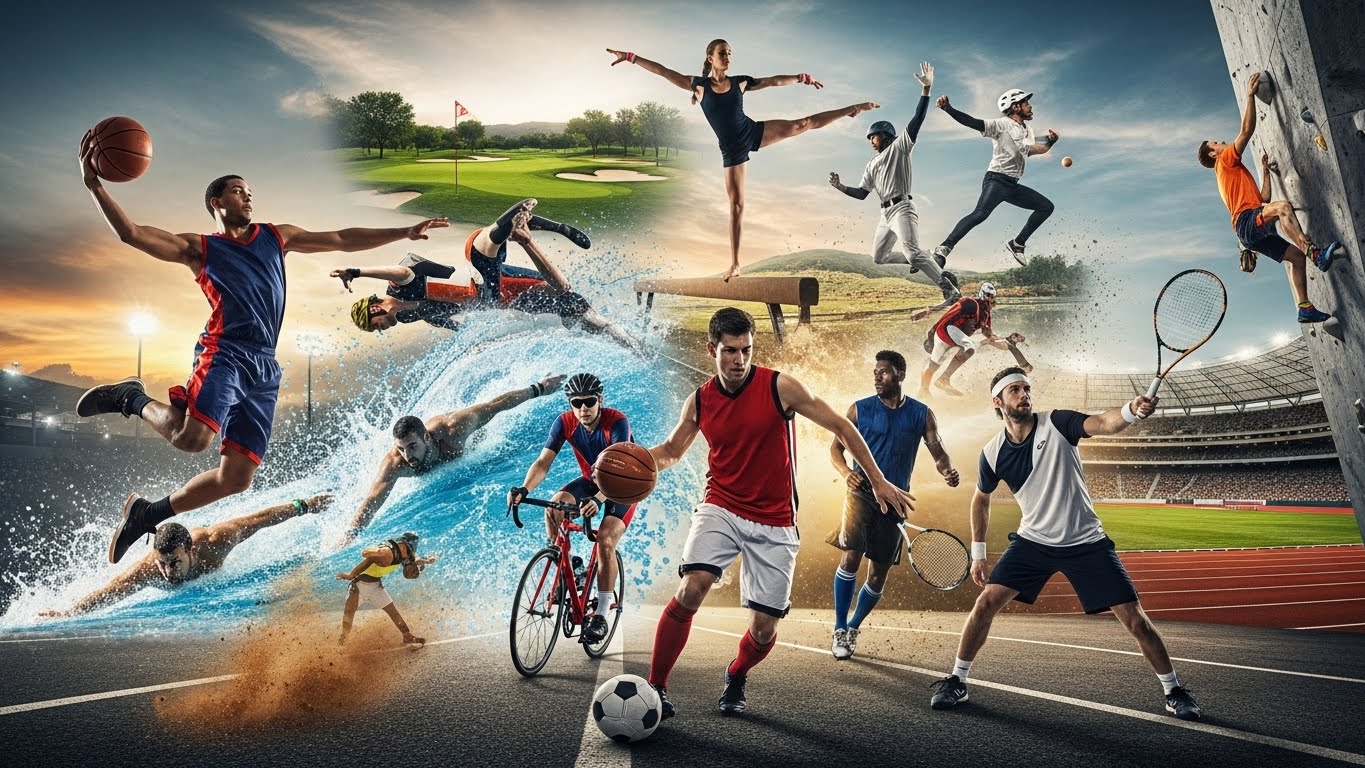
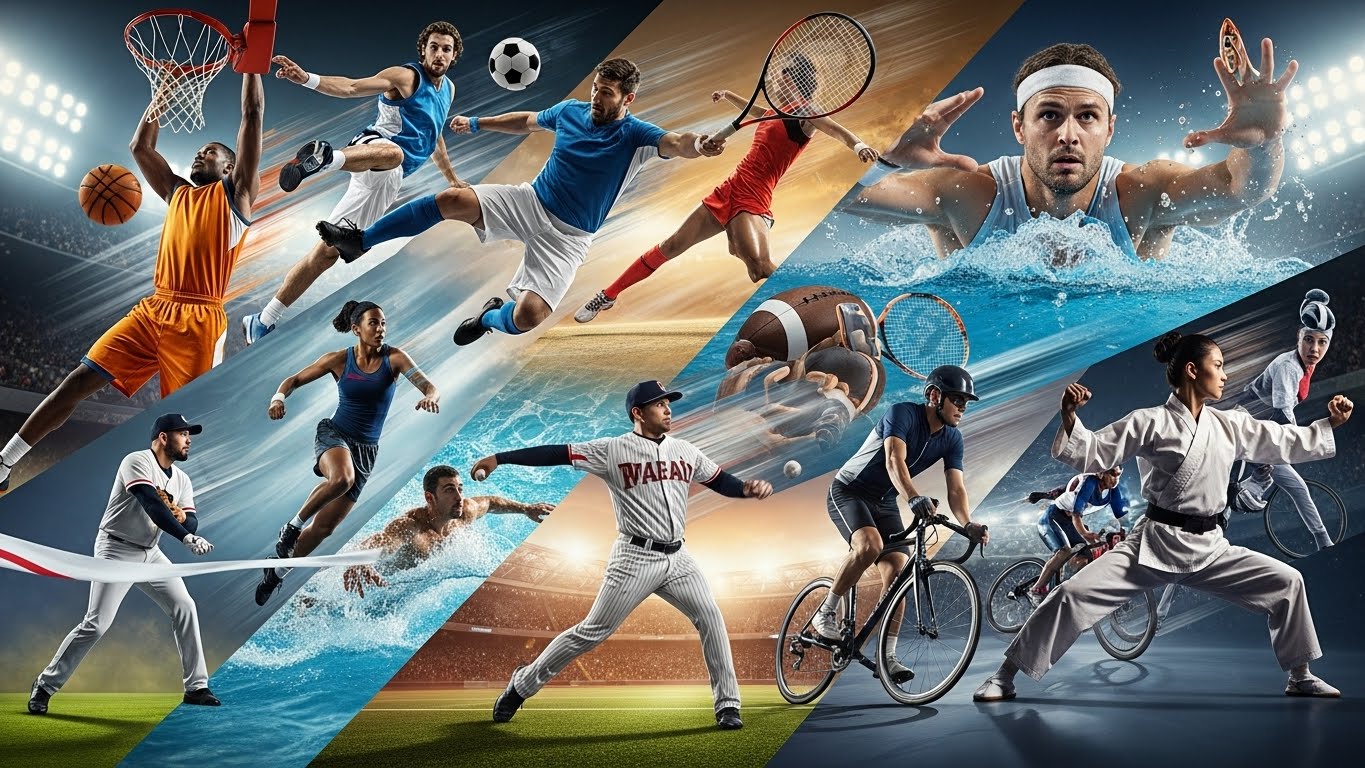
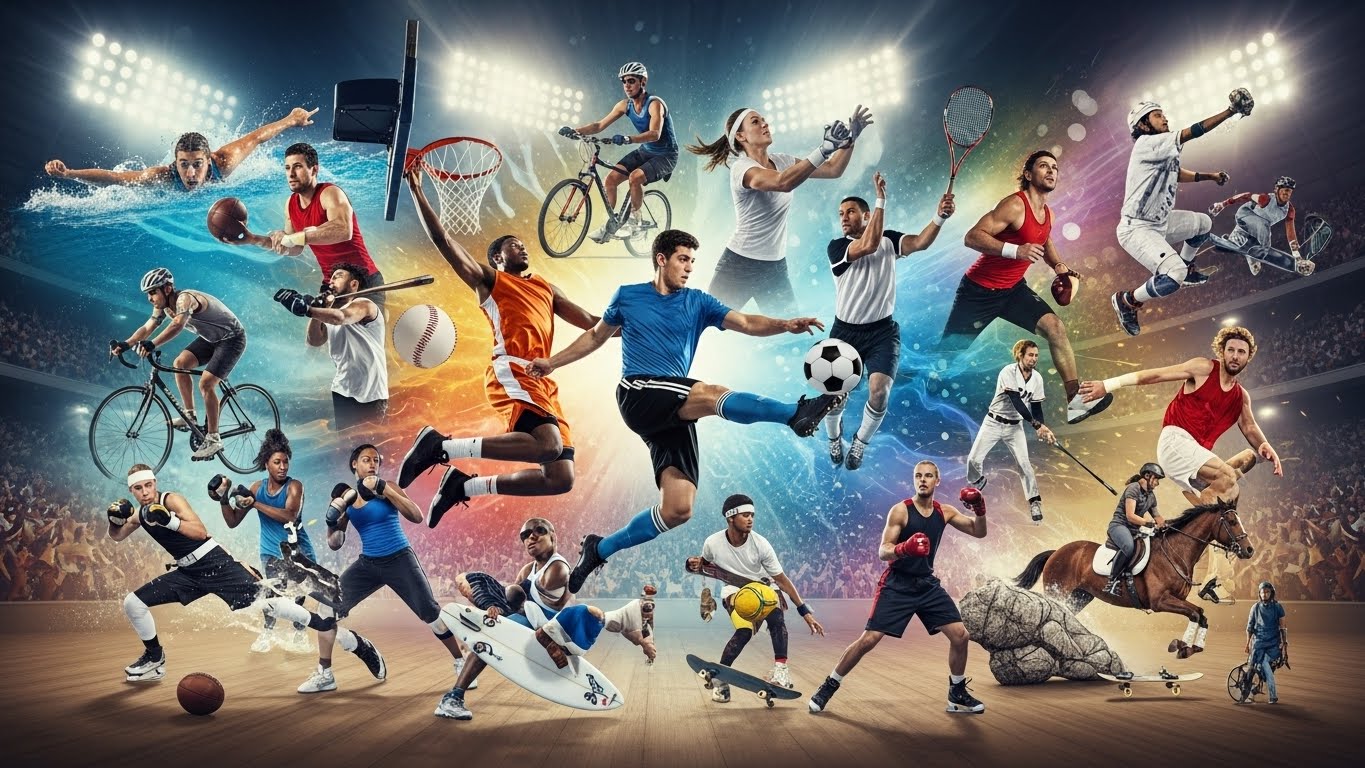
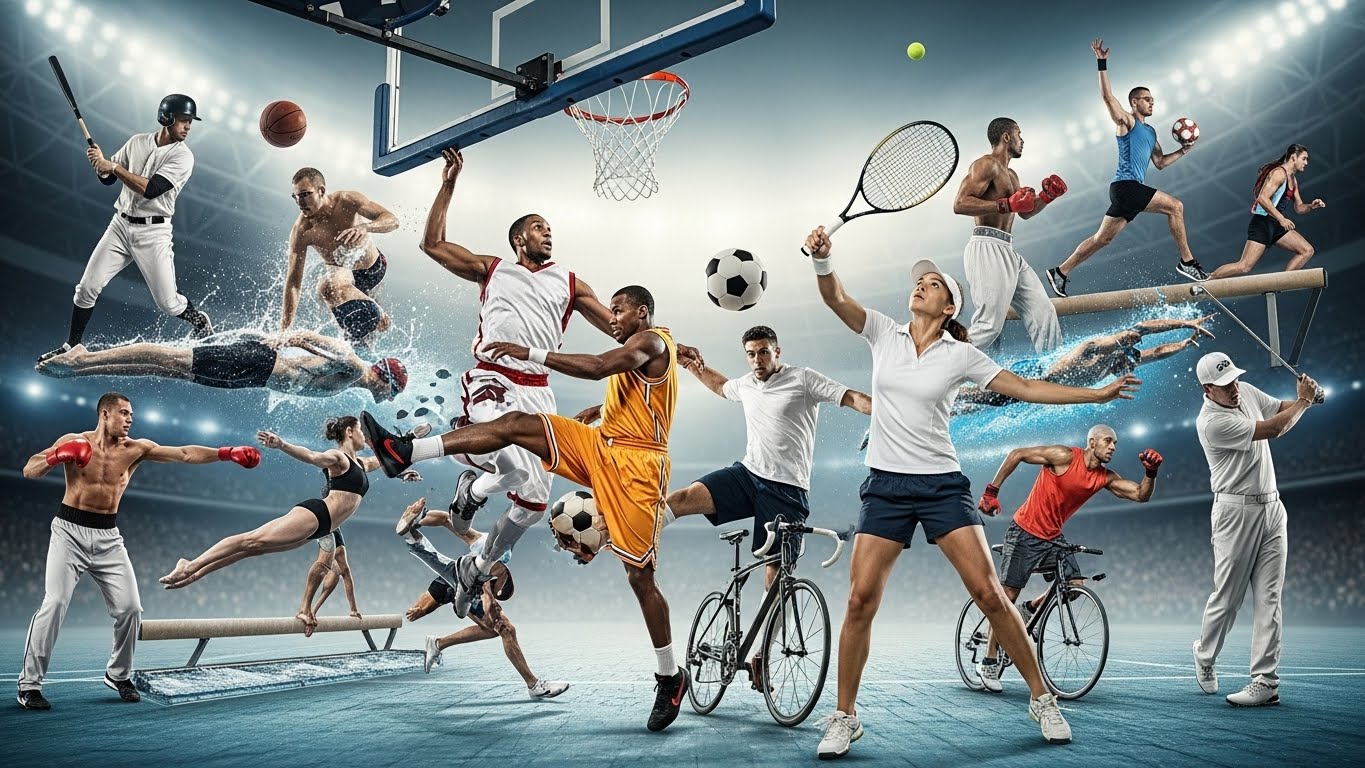
Sports have been an essential part of human civilization for centuries. They are more than just games or competitions; they are a reflection of human potential, discipline, and creativity. Sports bring people together, foster healthy lifestyles, and inspire personal and societal growth. From ancient athletic competitions to modern global events, sports have shaped cultures, influenced social norms, and provided a platform for achievement and entertainment. This blog explores the multifaceted impact of sports, their cultural significance, and the evolving landscape of athletic competition.
The Historical Roots of Sports
The origins of sports can be traced back thousands of years. Ancient civilizations like Egypt, Greece, and Rome organized competitions to test strength, skill, and strategy. Wrestling, running, chariot racing, and other athletic contests were not only entertainment but also a way to honor gods, prepare warriors, and cultivate community.
The ancient Olympic Games, first held in 776 BCE in Greece, exemplified the fusion of athleticism and cultural celebration. These competitions emphasized fairness, excellence, and the pursuit of glory, values that continue to resonate in modern sports.
The Evolution of Modern Sports
Modern sports emerged during the 19th and 20th centuries as rules were standardized, and organized competitions became common. Football, basketball, cricket, and athletics evolved into structured games with governing bodies, leagues, and international competitions.
The professionalization of sports created opportunities for athletes to pursue careers in their respective disciplines. It also made sports accessible to broader audiences, cultivating fan communities and creating shared cultural experiences.
Team Sports: Cooperation, Strategy, and Unity
Team sports, such as football, basketball, and volleyball, emphasize collaboration, strategy, and communication. Success in team sports depends on collective effort rather than individual talent alone. Players learn to coordinate, support one another, and develop leadership skills.
Team sports also have a profound social impact. They unite communities, foster a sense of belonging, and promote values such as discipline, respect, and perseverance. Local clubs, school leagues, and professional teams provide opportunities for people to participate, compete, and celebrate together.
Individual Sports: Excellence and Personal Achievement
Individual sports, such as tennis, gymnastics, athletics, and swimming, highlight personal skill, determination, and discipline. Athletes in individual sports focus on continuous self-improvement and mental resilience. Success is often the result of rigorous training, focus, and strategic preparation.
Individual sports celebrate personal achievement and inspire audiences to pursue their own goals. They demonstrate the power of perseverance, commitment, and self-motivation, showcasing human potential in its purest form.
The Global Phenomenon of the Olympics
The Olympic Games are the pinnacle of international sports competition. They bring together athletes from around the world to compete in a wide range of disciplines, promoting excellence, sportsmanship, and cultural exchange.
The Olympics inspire national pride, highlight emerging talent, and create moments of collective celebration. They also showcase diversity in athletic achievement, from track and field to gymnastics, swimming, and team sports, motivating millions of people worldwide.
Sports and Cultural Influence
Sports play a central role in shaping culture and identity. They reflect societal values such as fairness, discipline, and resilience. Iconic athletes become role models, influencing youth and inspiring communities. Major sports events foster national pride and unity, providing shared experiences that transcend social and economic boundaries.
Through sports, communities learn the importance of teamwork, respect, and determination. International competitions encourage cross-cultural understanding, highlighting the universal nature of athletic pursuits.
Health and Fitness Benefits
Participation in sports contributes to physical, mental, and emotional well-being. Physically, sports improve cardiovascular health, strength, flexibility, and coordination. Regular physical activity reduces the risk of chronic diseases and promotes a healthier lifestyle.
Mentally, sports enhance focus, problem-solving skills, and resilience. Emotionally, they provide stress relief, boost confidence, and create a sense of accomplishment. Sports combine physical exertion with mental engagement, offering holistic benefits to participants of all ages.
Youth Development and Sports
Sports play a vital role in the development of young people. Participation in organized sports teaches children important life skills, including teamwork, leadership, goal-setting, and time management. Youth sports foster discipline, resilience, and responsibility.
Additionally, youth sports provide social benefits, allowing children to build friendships, improve communication skills, and develop a sense of community. Encouraging sports participation helps young people lead healthy lifestyles and prepares them for future challenges.
Professional Sports and Economic Impact
Professional sports have grown into a major global industry. Athletes, teams, and leagues generate substantial revenue through ticket sales, broadcasting, sponsorships, and merchandise. Events like the FIFA World Cup, Super Bowl, and NBA Finals attract millions of viewers and stimulate local economies.
Beyond athletes, the sports industry supports careers in coaching, management, marketing, event organization, and sports science. The economic impact of sports highlights its importance not only as entertainment but also as a significant driver of employment and innovation.
Technology and Innovation in Sports
Technological advancements are transforming how sports are played, trained for, and experienced. Video analysis, wearable sensors, and performance tracking help athletes optimize their performance. Innovations in equipment improve safety, efficiency, and effectiveness.
Technology also enhances fan engagement. Live streaming, social media coverage, and immersive viewing experiences allow fans to connect with athletes and teams worldwide. These advancements ensure that sports remain exciting, accessible, and interactive.
Sports Psychology and Mental Strength
Mental toughness is crucial in sports. Sports psychology focuses on techniques to enhance focus, confidence, motivation, and resilience. Visualization, goal-setting, mindfulness, and coping strategies help athletes perform under pressure and overcome setbacks.
Developing mental resilience through sports extends beyond the playing field. It teaches individuals to manage challenges, adapt to change, and maintain composure in high-pressure situations, benefiting all aspects of life.
Women in Sports
The participation of women in sports has grown tremendously, breaking historical barriers and challenging stereotypes. Female athletes achieve remarkable success in every discipline, inspiring future generations and promoting equality.
Dedicated organizations and competitions provide platforms for women to excel and gain recognition. Celebrating women in sports emphasizes the universality of talent and encourages inclusivity in athletic participation.
Sports as a Community Builder
Sports play a vital role in community development. Local leagues, recreational programs, and charity events bring people together, fostering social cohesion and inclusion. Sports programs offer youth positive alternatives, teaching values such as teamwork, perseverance, and responsibility.
Communities that embrace sports create opportunities for personal growth, cultural exchange, and social engagement. The sense of belonging and shared achievement that sports promote strengthens society as a whole.
The Future of Sports
The future of sports is marked by innovation, inclusivity, and global engagement. Technological advancements, new training methodologies, and performance analytics will continue to enhance athletic performance. Virtual reality and augmented reality may revolutionize fan experiences, making sports more immersive and interactive.
Emerging trends such as esports and digital competitions are redefining the definition of sports, attracting new audiences and blending traditional athletics with gaming. Sustainability initiatives in sports infrastructure will also ensure that athletics remain environmentally responsible.
Conclusion: The Enduring Impact of Sports
Sports are a cornerstone of human culture, providing physical, mental, social, and economic benefits. They inspire excellence, foster community, and promote values such as discipline, teamwork, and resilience. From local playgrounds to international arenas, sports unite people across nations, cultures, and backgrounds.
Beyond competition, sports shape society, empower individuals, and celebrate human potential. As technology, inclusivity, and innovation continue to evolve, sports will remain a vital and transformative force in our lives, inspiring generations to embrace challenge, pursue excellence, and connect with others through the universal language of play.