sportsleader23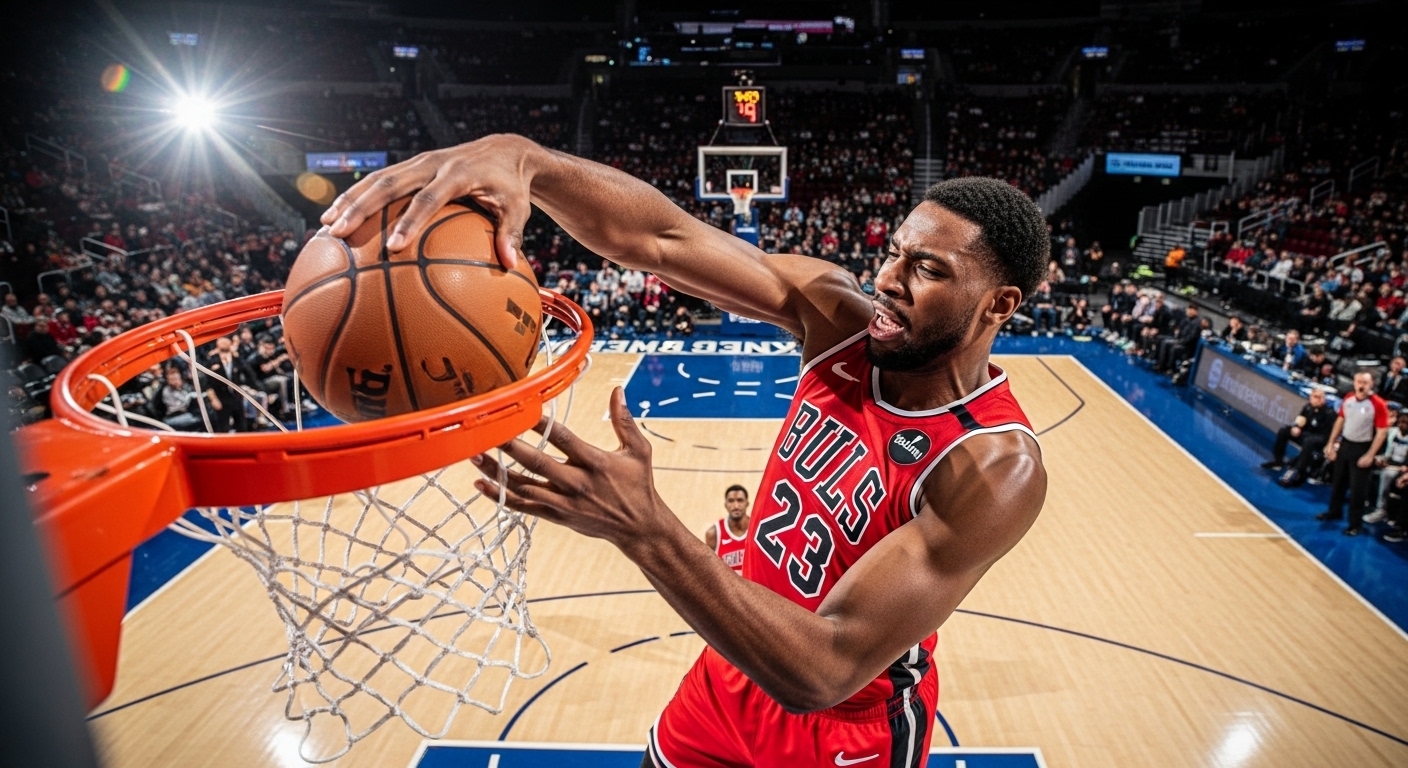
Introduction
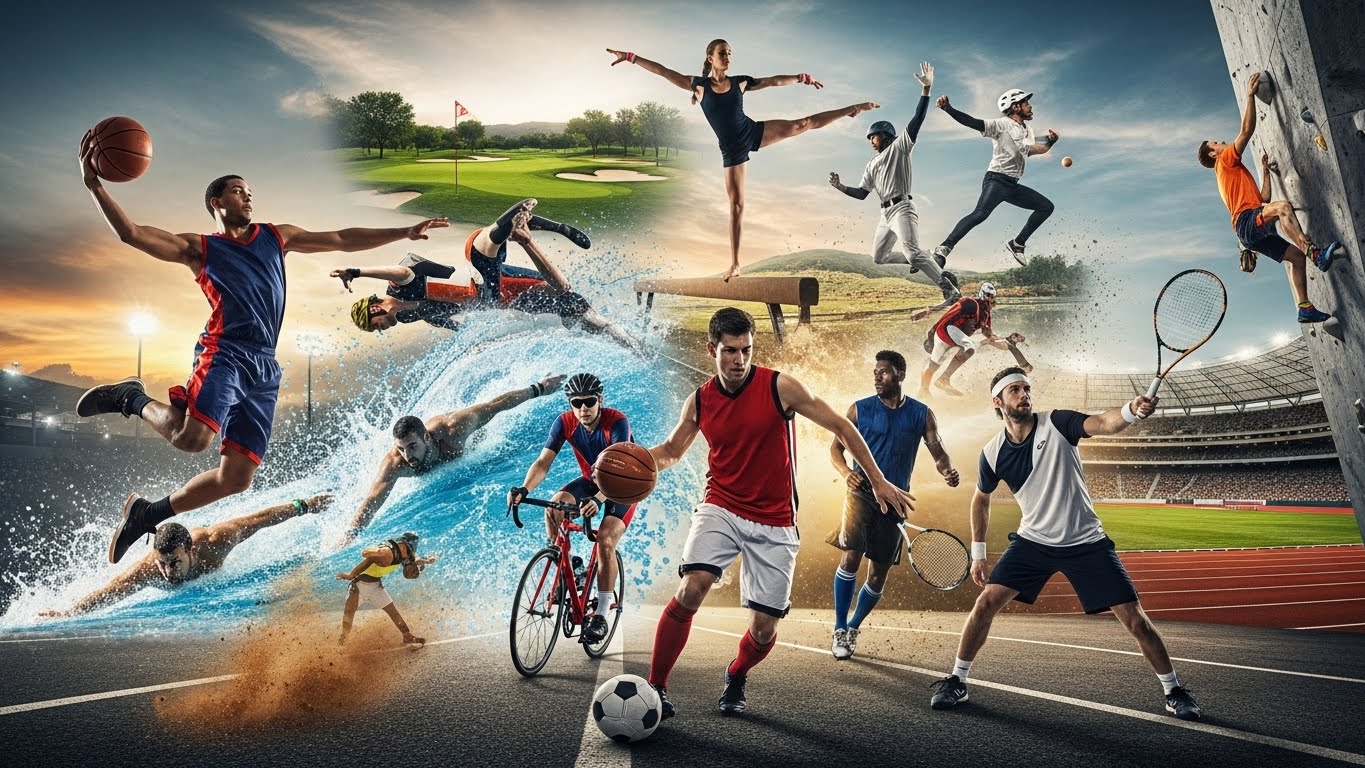
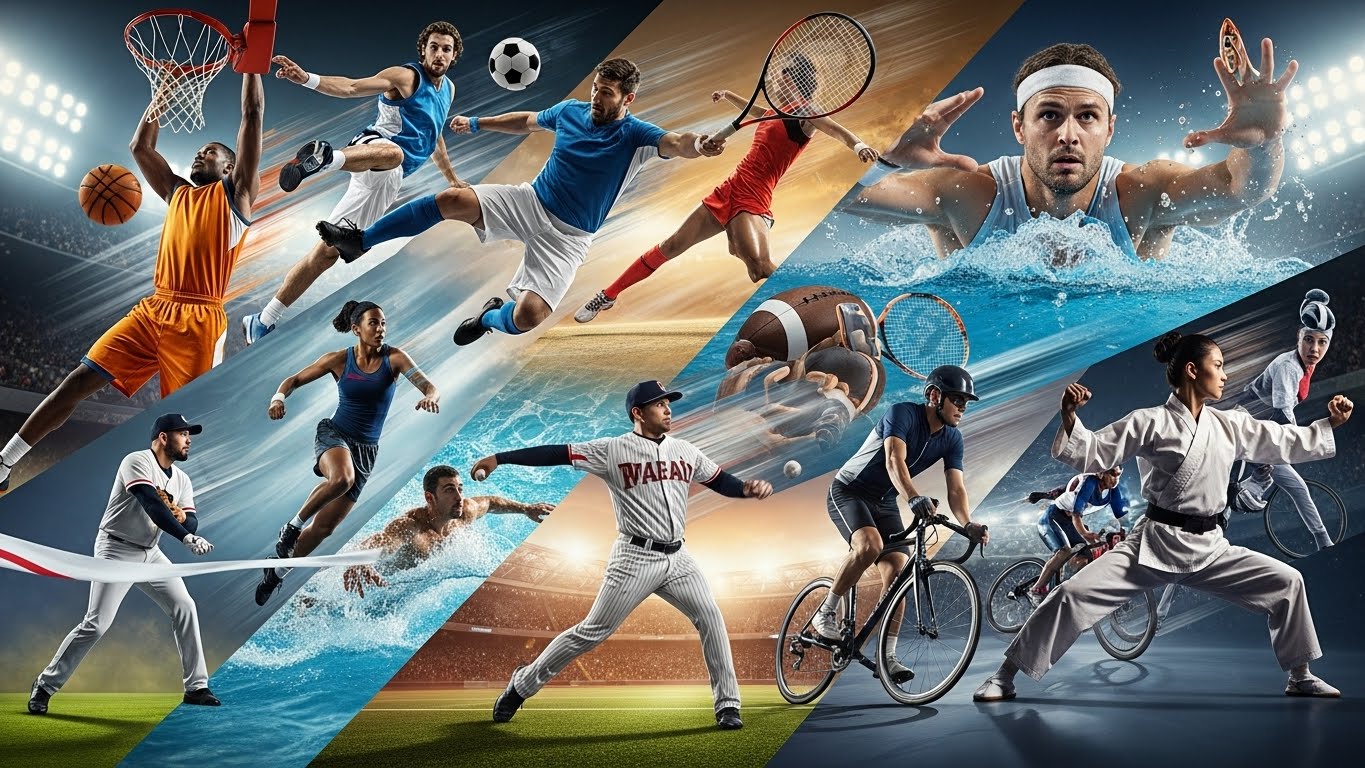
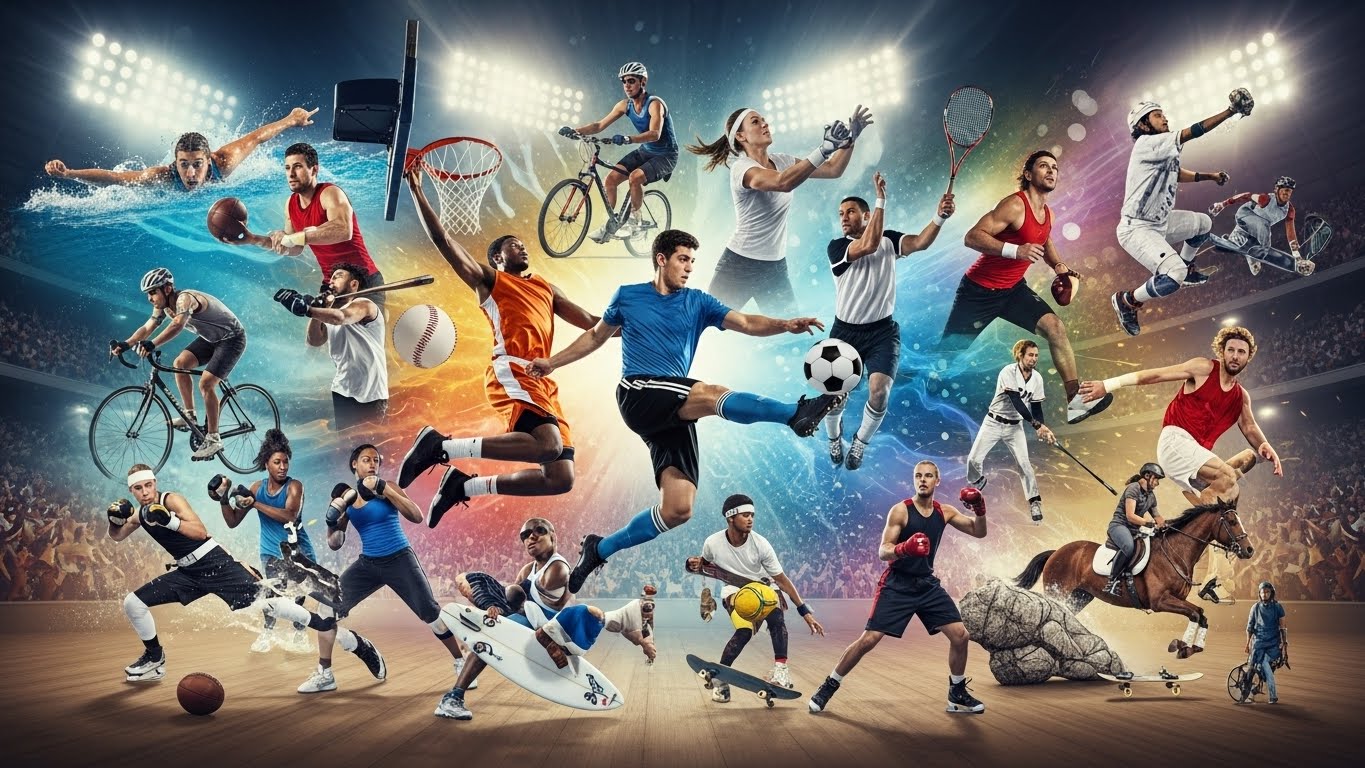
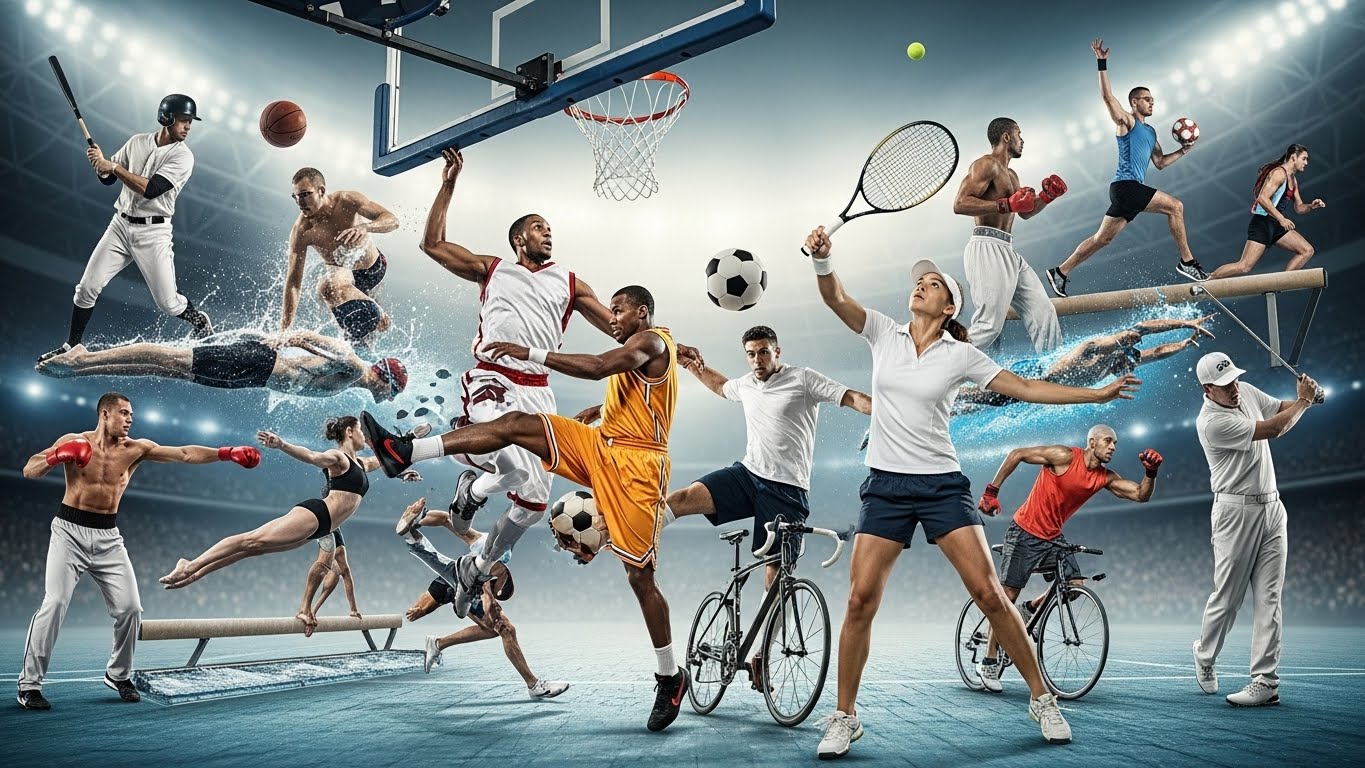
Sports are often celebrated for their ability to keep us fit, but their influence reaches far beyond physical health. Whether it’s the rush of scoring a goal or the tension of a final set, sports cultivate skills and experiences that play an essential role in shaping our mental and emotional well-being. In this blog post, we’ll explore how sports can serve as a powerful tool for personal development, community building, and cultural expression.
Sports: A Mental and Emotional Playground
One of the greatest benefits of sports lies in their capacity to shape our mental and emotional resilience. The moments of failure, whether it’s missing a penalty or losing a crucial match, teach us lessons in perseverance. Overcoming such challenges builds mental toughness and teaches us how to manage emotions in high-pressure situations.
Victory, on the other hand, boosts confidence, but it’s the journey—working through setbacks and celebrating progress—that truly molds a person’s mindset. In a world where mental health challenges are on the rise, the role of sports in promoting psychological well-being is more important than ever. It’s about learning how to handle stress, failure, and success, while building the emotional intelligence to navigate life’s ups and downs.
Teamwork: Beyond the Game
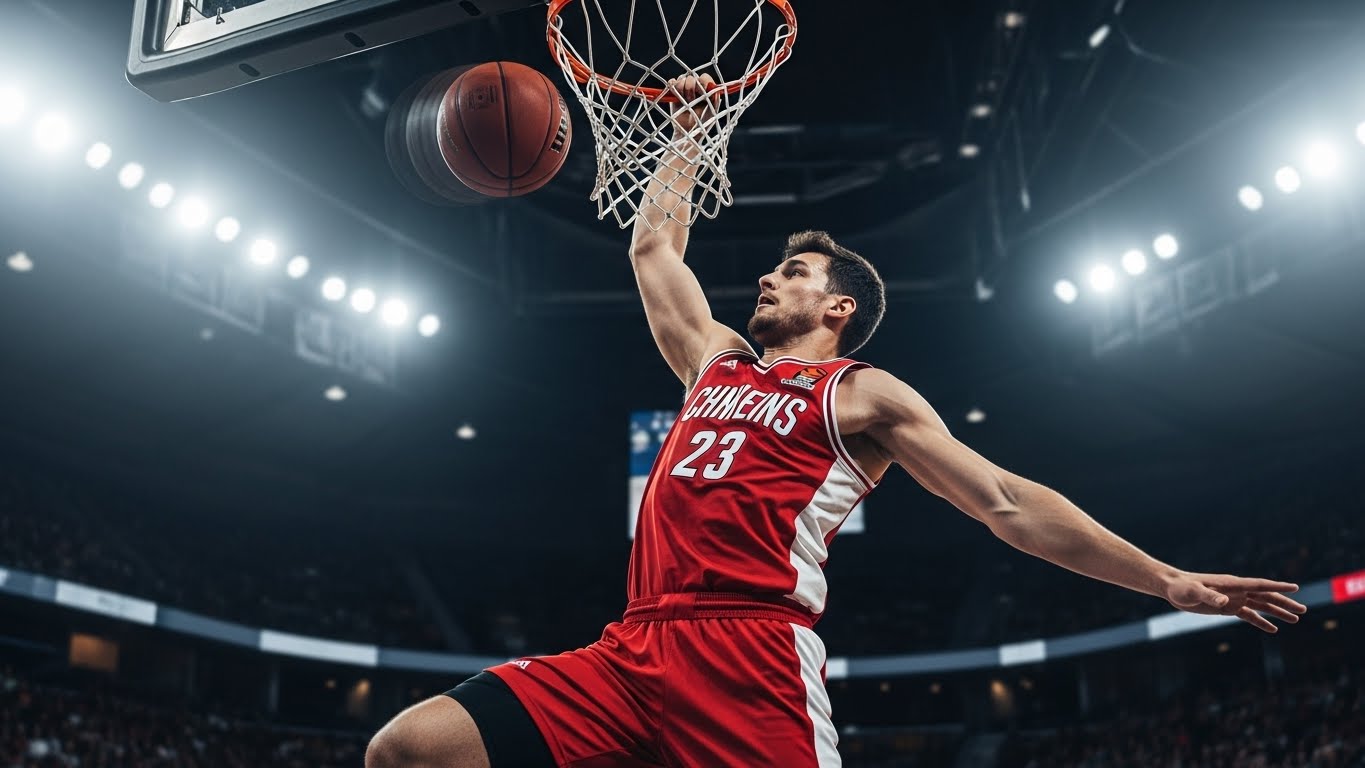
While individual achievements in sports are often highlighted, it’s teamwork that makes many sports truly special. No athlete is an island. Whether it’s on the basketball court, soccer field, or a corporate team-building exercise, sports teach the value of working with others to achieve a common goal. The beauty of teamwork is that it promotes communication, trust, and accountability. Players must learn to put aside personal egos for the collective good of the team, which often mirrors real-life scenarios in both professional and personal settings.
Sports also foster inclusivity. In any given game, individuals from different backgrounds, cultures, and skill sets must come together to function as one unit. This shared purpose can bridge gaps and build stronger social connections, both within the team and with the community that supports them.
The Power of Discipline and Commitment
It’s no secret that sports require discipline. From training routines to maintaining a balanced lifestyle, athletes dedicate significant time and effort to hone their skills. This commitment fosters a strong work ethic and teaches us the value of consistency and persistence.
For children and adults alike, engaging in sports instills habits of routine, helping to structure time effectively. The act of setting goals, tracking progress, and working toward those goals builds a sense of accomplishment and self-worth. Even outside of sports, these qualities transfer well to academics, careers, and personal projects.
The Role of Sports in Social Change
Throughout history, sports have often been a platform for social change. Iconic figures such as Muhammad Ali, Jackie Robinson, and Billie Jean King used their athletic platforms to challenge racial, gender, and societal norms. Sports bring attention to pressing issues and often give voice to those who might otherwise be marginalized.
In today’s world, movements such as the “Black Lives Matter” protests have seen athletes taking an active role in pushing for justice and equality. The intersection of sports and social change continues to remind us of the power of visibility and influence that athletes hold. The world’s stage is a perfect setting for amplifying voices and calling for reform—making sports not just a form of entertainment but a dynamic force for change.
Sports as a Reflection of Culture
In every sport, there’s a rich history and culture that speaks to the values and identities of the people who play it. Whether it’s cricket in India, basketball in the United States, or soccer in Brazil, sports are deeply intertwined with culture. These games aren’t just about the rules—they represent pride, tradition, and identity.
From national teams uniting people across a country to local leagues building community, sports offer a lens through which we can understand cultural values and regional identities. The rivalries between countries or regions reflect historical tensions, and the celebration of victories can often unite people who otherwise might not see eye to eye. Sports, in this sense, function as an unspoken language of connection and cultural exchange.
Conclusion: More Than Just a Game
While the physical aspect of sports is undeniable, it’s the deeper lessons that make sports so transformative. From fostering mental resilience to teaching the value of teamwork, discipline, and commitment, sports provide an arena for personal and collective growth.
Moreover, they serve as platforms for social change, reflection of cultural values, and sources of unity. Whether you’re an athlete or a fan, sports are more than just a pastime—they are a reflection of who we are, and what we can achieve together.
So, next time you lace up your shoes or sit down to watch a match, remember: it’s not just about the score. It’s about the journey, the lessons, and the connections that shape our lives.