sportsleader23
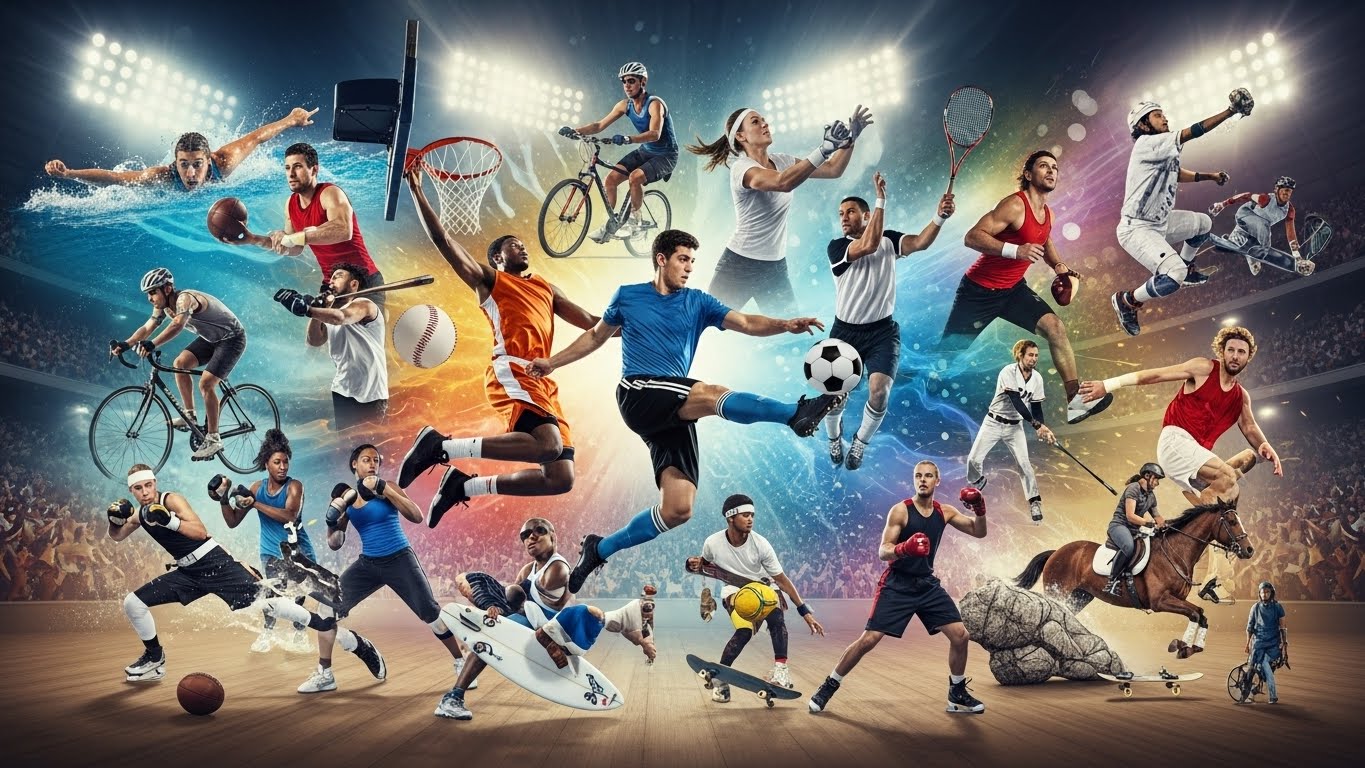
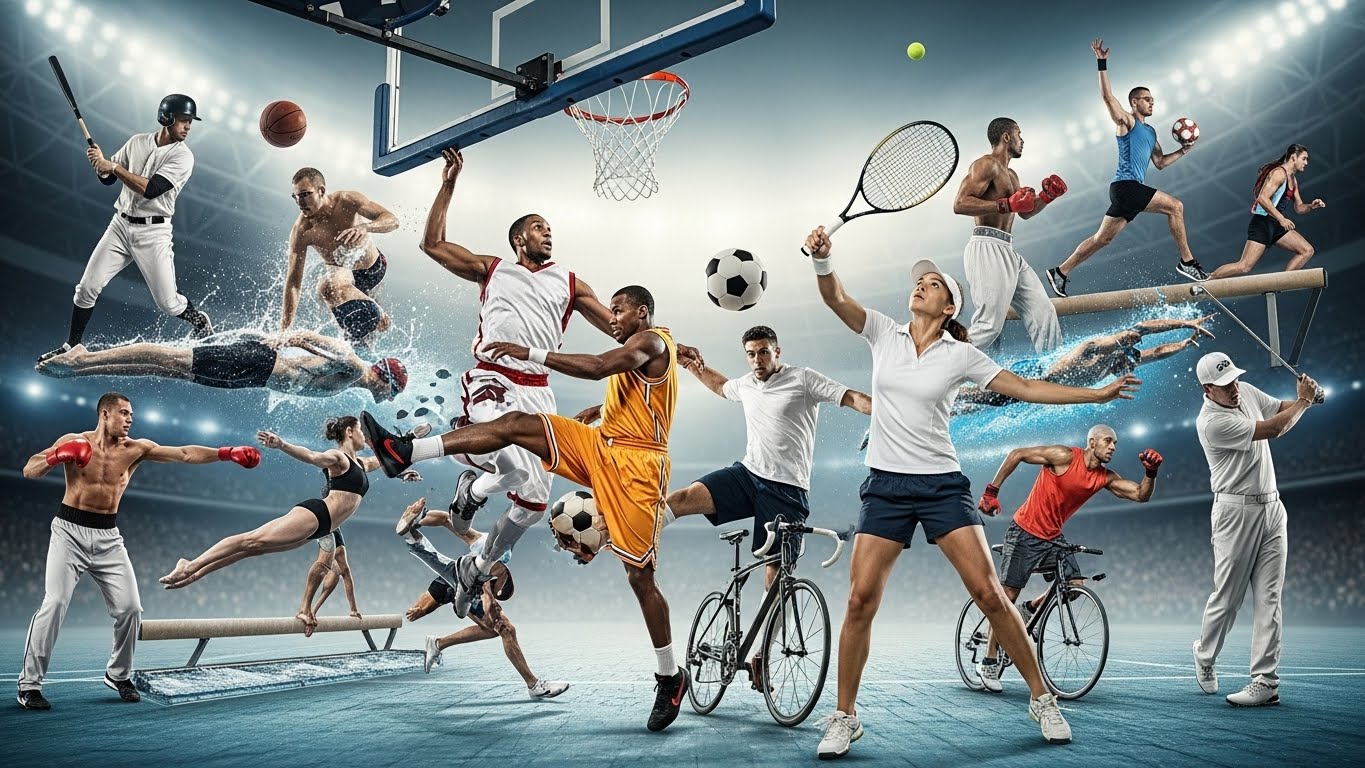
Sports have always held a special place in human culture. From childhood games to professional leagues, from small community tournaments to the grandeur of international competitions, sports transcend borders and languages. But beyond the excitement of winning or losing, there is a much deeper influence that sports exert on individuals and societies. In this blog post, we will dive into the numerous ways sports shape lives, build character, and contribute to the broader social fabric.
The Physical and Mental Benefits of Sports
One of the most immediate effects of engaging in sports is the improvement of physical health. Regular participation in physical activities strengthens the heart, builds muscle, increases flexibility, and improves overall stamina. The benefits are evident, especially when sports are made a part of daily life from a young age. However, it’s not just the physical gains that are important—sports also contribute to mental well-being.
Studies consistently show that physical activity releases endorphins, which are natural mood boosters. Whether it’s a casual jog, a friendly game of basketball, or an intense training session, sports can alleviate stress, reduce anxiety, and improve overall mental clarity. In times of mental health challenges, a good workout or a friendly game can provide both a mental break and a sense of accomplishment.
Developing Character Through Competition
Sports provide a structured environment where participants can learn life lessons that extend far beyond the game itself. The very nature of competition—where winners and losers emerge—teaches individuals about perseverance, resilience, and humility.
Leadership and Teamwork
Sports are often team-oriented, requiring individuals to work together toward a common goal. This fosters a sense of teamwork, collaboration, and the importance of collective effort. Team sports like football, basketball, or volleyball, for example, emphasize the need for communication, mutual respect, and trust. Whether you’re the team captain or a supporting player, everyone has a role to play, and each role contributes to the success or failure of the entire team.
Through sports, players also develop leadership skills. A good leader in sports is not just about individual performance but about inspiring and guiding others to give their best. Leadership in sports can translate to leadership in professional and personal life, where empathy, patience, and decision-making skills are paramount.
Building Community and Identity
Beyond the personal benefits, sports have the power to unite people. At the local level, recreational leagues bring individuals of all ages together, creating a sense of belonging and community. On a larger scale, professional sports events like the Olympics or World Cup offer a platform for countries to showcase their talent and national pride.
When people gather to support their teams, they form a unique bond, driven by shared enthusiasm and camaraderie. This sense of unity can lead to powerful social change as communities rally around common causes, whether it’s supporting a local team or advocating for better sports facilities for youth.
Sports also offer an avenue for self-expression and identity. Whether you play a sport or cheer for a team, the connection to a particular sport or team can form a significant part of one’s identity. The colors, the logo, the rituals—it all creates a bond that transcends the sport itself.
The Role of Sports in Overcoming Adversity
Sports have long been a platform for overcoming personal or societal adversity. Many athletes have used their platforms to rise above difficult circumstances, inspire others, and push for social change. Historical figures such as Muhammad Ali, Jackie Robinson, and Billie Jean King have all used sports as a way to challenge societal norms, break barriers, and advocate for equality.
On a personal level, sports provide individuals with the tools to rise above hardship. Whether overcoming physical limitations, recovering from injury, or dealing with personal loss, the discipline and focus required in sports often serve as a foundation for personal growth and healing.
The Global Impact of Sports
In today’s world, sports have evolved into a global phenomenon. From soccer in Europe to cricket in India, from basketball in the U.S. to rugby in New Zealand, sports have become a universal language that connects people from all walks of life. International tournaments bring countries together, allowing individuals to put aside differences and come together in the spirit of competition and mutual respect.
Sports also serve as a platform for highlighting global issues. Whether it’s promoting sustainability, fighting racism, or addressing poverty, athletes and sports organizations often use their influence to raise awareness and create meaningful change. Sports’ ability to impact millions of lives, both on and off the field, makes it a powerful tool for social change.
Conclusion: More Than Just a Game
Sports are often seen as mere entertainment, but their impact reaches far beyond the field of play. From fostering personal growth and mental well-being to building communities and creating global movements, sports are a powerful force that shapes lives in profound ways. Whether you’re playing, coaching, or spectating, the lessons learned through sports are invaluable and timeless. So, the next time you lace up your sneakers or cheer for your favorite team, remember that the power of sports extends far beyond the game itself.