sportsleader23
Introduction: The Universal Appeal of Sports
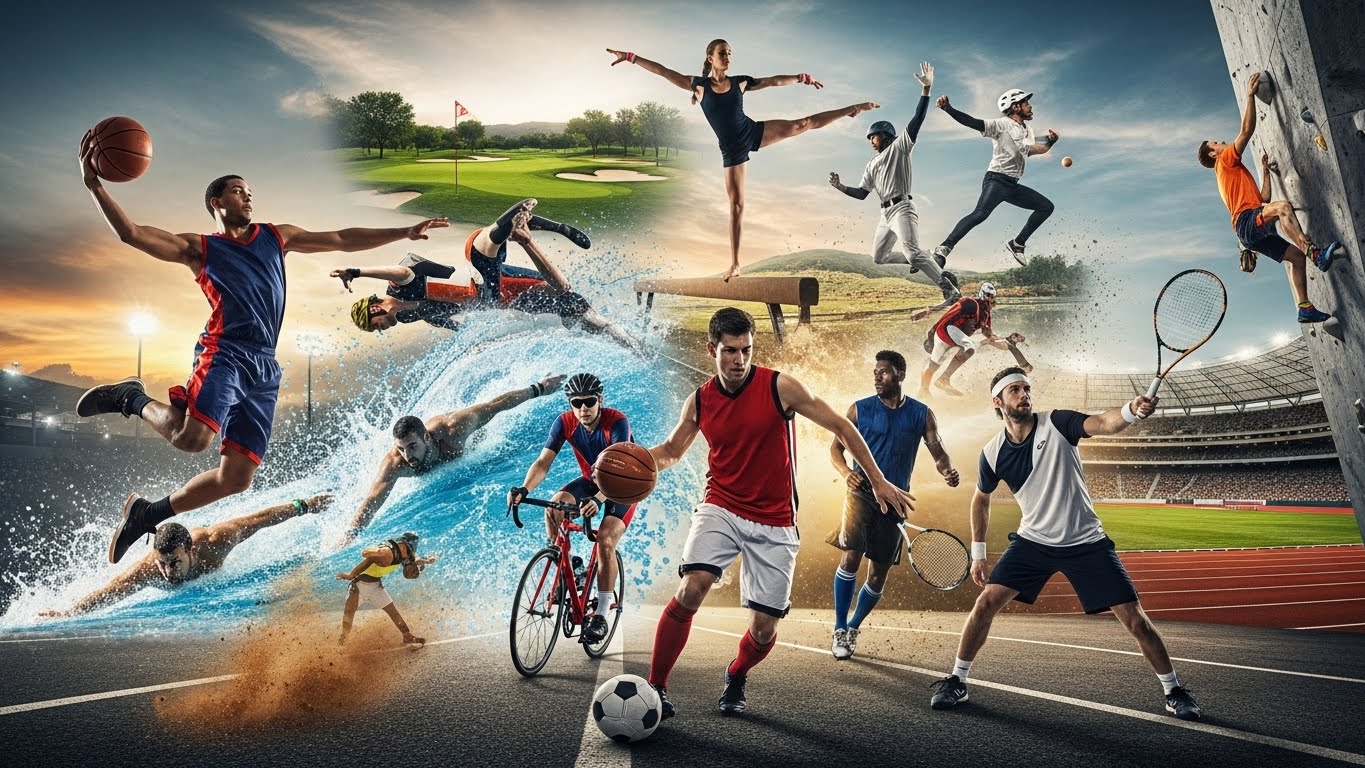
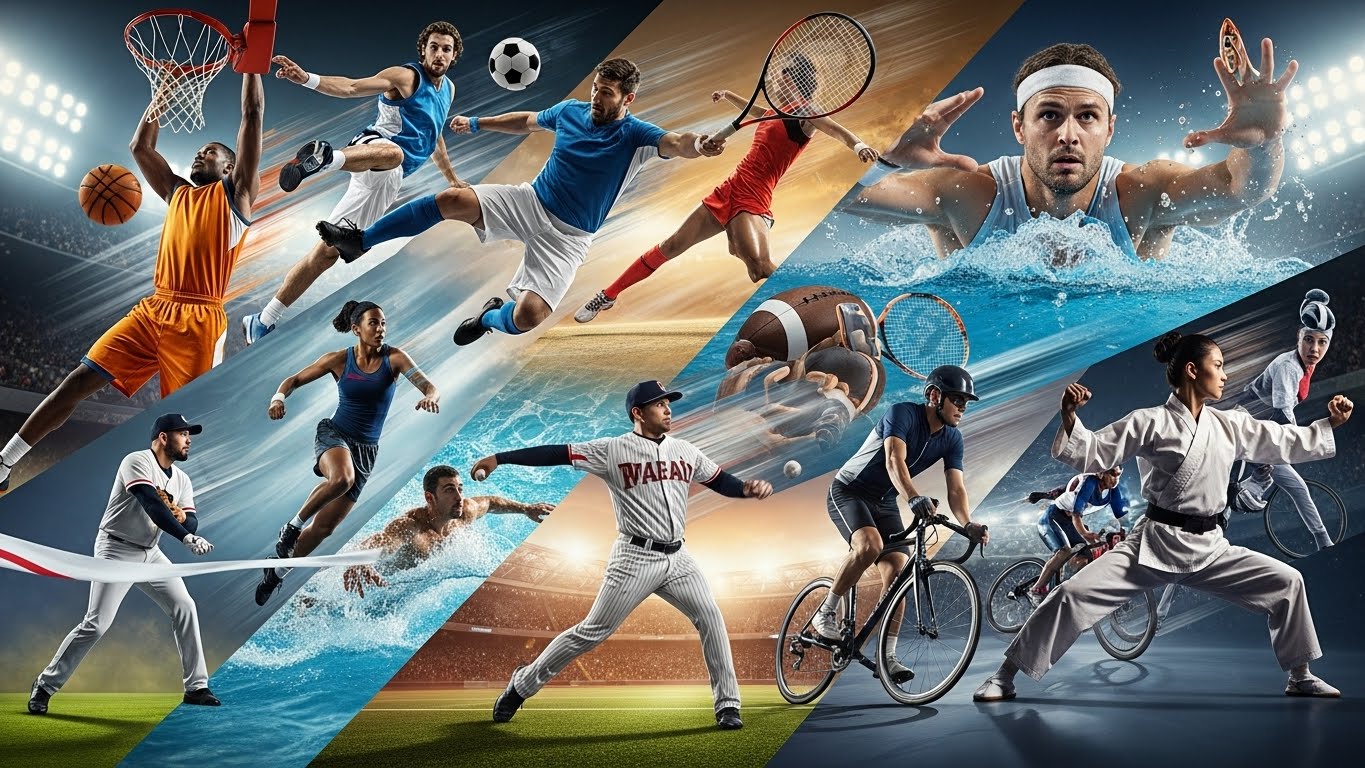
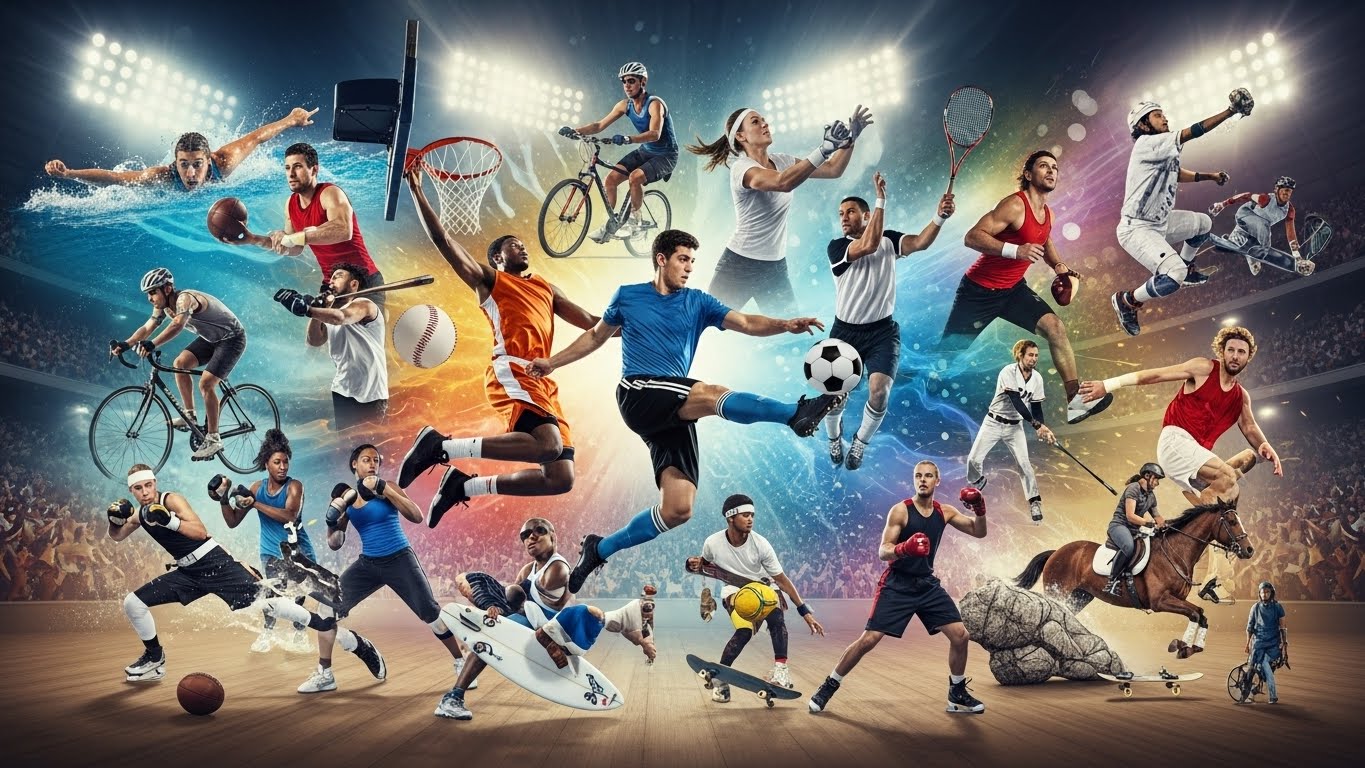
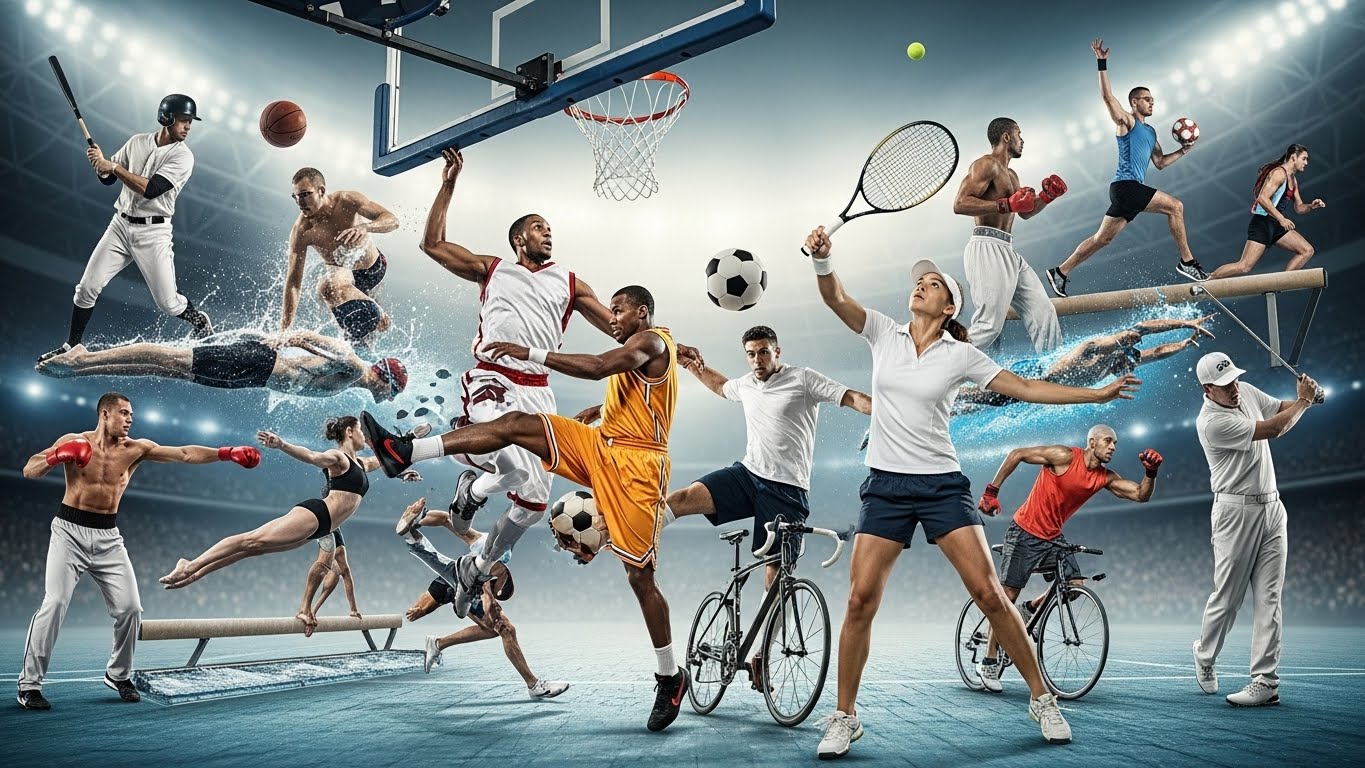
Sports have been an integral part of human culture for centuries. They are far more than mere games; they reflect our values, aspirations, and collective spirit. From grassroots competitions in local communities to international tournaments like the Olympics and the World Cup, sports unite people across cultures, ages, and backgrounds. They offer entertainment, foster physical fitness, and teach essential life skills such as discipline, teamwork, and resilience. In today’s world, sports also influence social trends, drive economic activity, and serve as a platform for inspiring millions. Understanding the multifaceted impact of sports reveals why they remain central to human experience.
The Historical Evolution of Sports
Sports have evolved alongside human civilization. In ancient societies, physical competitions were often tied to religious ceremonies, military training, or community celebration. Ancient Greeks formalized athletic contests, creating the foundation for the Olympic Games. Traditional sports like wrestling, running, and javelin throwing showcased strength, skill, and strategy. Over centuries, sports have become increasingly organized, with codified rules, professional leagues, and international governing bodies. The evolution of sports reflects technological advancements, societal values, and cultural exchange, demonstrating the enduring human desire for competition and achievement.
Physical and Mental Benefits of Sports
Participation in sports offers substantial physical benefits. Regular exercise improves cardiovascular health, strengthens muscles, increases flexibility, and supports overall fitness. Beyond physical health, sports positively impact mental well-being. They reduce stress, improve focus, and boost self-esteem. Team sports foster communication, cooperation, and social interaction, while individual sports cultivate discipline, persistence, and self-motivation. Athletes often learn to overcome challenges, manage pressure, and set goals, lessons that extend far beyond the playing field into personal and professional life.
Sports as a Tool for Social Cohesion
Sports play a vital role in bringing communities together. Local leagues, school competitions, and neighborhood events create shared experiences and foster a sense of belonging. Sporting events encourage collective identity and pride, uniting fans behind teams and athletes. Sports also promote inclusivity and cultural understanding, bridging social and cultural divides. Community sports programs empower youth, teach life skills, and provide positive outlets for energy and talent. Through social engagement, sports strengthen relationships and contribute to a cohesive society.
Professional Sports: Careers and Opportunities
Professional sports offer more than entertainment; they provide careers and economic opportunities. Athletes dedicate years to honing their skills, competing at national and international levels, and representing clubs or countries. Careers in sports extend beyond playing, including coaching, sports medicine, media, analytics, and management. Professional sports also inspire young people, creating pathways for personal development and achievement. The discipline, strategic thinking, and perseverance required to succeed in professional sports cultivate transferable skills that benefit careers and personal growth.
Technology in Sports
Technology has transformed how sports are played, analyzed, and experienced. Wearable devices track performance metrics, monitor health, and prevent injuries. Video replay and decision-assistance systems ensure fair play and accurate officiating. Broadcasting technology brings live events to audiences around the world, expanding the reach of sports. Virtual and augmented reality are enhancing training and fan engagement, offering immersive experiences that deepen understanding and enjoyment of games. Technology continues to revolutionize both athletic performance and spectator experience.
Youth Sports and Development
Participation in youth sports is essential for holistic development. Children and teenagers learn discipline, resilience, teamwork, and leadership through structured activities. Youth sports programs provide opportunities to develop physical skills while fostering confidence and social interaction. They also encourage inclusivity and promote lifelong healthy habits. By nurturing talent from an early age, youth sports lay the foundation for future athletes, coaches, and sports enthusiasts, contributing to the continued growth and vitality of the sporting world.
Global Competitions and International Unity
Sports have a unique ability to unite nations. Events like the Olympics, FIFA World Cup, and international championships showcase talent, foster diplomacy, and encourage cultural exchange. Athletes become ambassadors of their countries, representing national pride and shared values. International tournaments foster competition, sportsmanship, and global connection. Fans around the world celebrate victories and milestones together, transcending borders and language barriers. Through sports, people experience a sense of global community, emphasizing shared humanity and mutual respect.
Sports and Entertainment
Modern sports are a major source of entertainment. Professional leagues, live events, and televised competitions attract millions of viewers, blending athleticism with spectacle. Athletes become cultural icons, influencing trends in fashion, media, and lifestyle. Fantasy leagues, sports commentary, and digital engagement allow fans to participate actively, predicting outcomes and celebrating achievements. The entertainment aspect of sports enhances engagement, creates social experiences, and strengthens the connection between players and audiences. Sports are no longer just games—they are cultural phenomena that captivate global audiences.
Economic Impact of Sports
Sports contribute significantly to local and global economies. Revenue from ticket sales, sponsorships, merchandise, broadcasting rights, and sports tourism generates billions annually. Sporting events create jobs in coaching, management, marketing, and media. Investment in infrastructure, such as stadiums and training facilities, drives development and urban growth. Sports also fuel industries related to fitness, technology, and apparel. The economic impact of sports demonstrates their value beyond recreation, influencing business, employment, and national prosperity.
Women in Sports
The role of women in sports has expanded significantly in recent decades. Female athletes compete at elite levels across all major sports, breaking stereotypes and inspiring future generations. Professional leagues, media coverage, and sponsorship opportunities for women’s sports continue to grow, promoting gender equality. Women’s participation enhances inclusivity, diversity, and representation in the sporting world. Celebrating achievements in women’s sports strengthens societal acceptance and empowerment, demonstrating that athletic talent and dedication are not limited by gender.
Sports, Technology, and Training
Technology has revolutionized sports training and performance. Data analytics provide insights into athlete performance, strategies, and injury prevention. Biomechanical analysis, virtual simulations, and smart equipment enhance skill development and efficiency. Recovery technologies, including cryotherapy and wearable monitoring devices, support physical health and longevity in sports careers. Combining technology with human skill enables athletes to reach peak performance while minimizing risk, illustrating the synergy between innovation and physical excellence.
Sports and Culture
Sports shape and reflect cultural values. Iconic athletes become role models, inspiring youth and influencing public behavior. Sporting traditions, rituals, and fan culture form an essential part of community identity. Sports also provide a platform for addressing social issues, promoting inclusion, and celebrating diversity. Through cultural impact, sports foster social cohesion, national pride, and cross-cultural understanding. They are a living expression of shared values, connecting people across generations and geographies.
The Future of Sports
The future of sports promises continued innovation, inclusivity, and global engagement. Wearable technology, AI analytics, and virtual reality will transform training, competition, and fan experience. Grassroots programs will expand opportunities for youth participation, while international collaboration will foster global sportsmanship. Sustainable practices in stadiums and events will reduce environmental impact, and technological integration will enhance accessibility for all. Sports will continue to inspire, challenge, and unite people, maintaining their central role in society while adapting to the needs of future generations.
Conclusion: Sports as a Transformative Force
Sports are far more than games or competitions. They are a transformative force that shapes physical health, personal development, social cohesion, culture, and the economy. From local communities to international arenas, sports teach essential life skills, foster unity, and inspire millions worldwide. Technological advancements, global competitions, and inclusive practices continue to evolve the sporting world, making it more engaging, equitable, and impactful. Sports remind us that the value of play goes beyond winning or losing—it is about growth, connection, and the shared human experience.