sportsleader23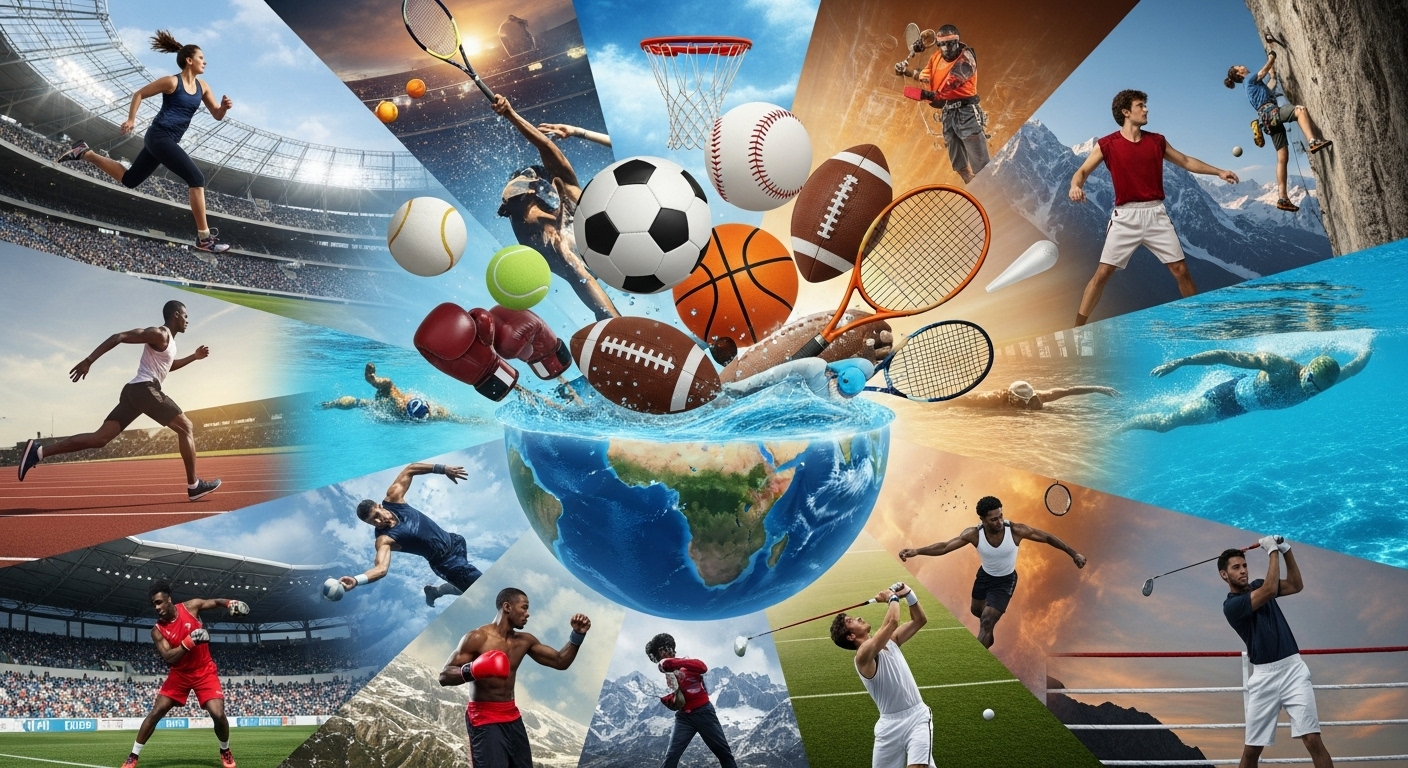
Sports have always been more than just a form of entertainment. For centuries, they have played a fundamental role in shaping cultures, communities, and even personal identities. Whether you’re watching the final minutes of a basketball game or participating in a community-run, sports bring out a unique energy that transcends boundaries, unites people, and challenges individuals to reach their potential. In this blog, we’ll explore the multifaceted appeal of sports and the profound impact they have on individuals, societies, and the world at large.
The Universal Language of Sports
One of the most remarkable things about sports is their ability to bring people together, regardless of their backgrounds or geographical locations. Whether it’s the fevered excitement of a football match, the strategic precision of tennis, or the discipline of gymnastics, sports are a universal language understood across cultures. From remote villages to major cities, everyone can relate to the drive to win, the joy of playing, and the collective experience of being part of something larger than oneself.
In many ways, sports serve as a bridge that connects diverse groups of people. The shared experience of a sporting event, whether as a player or a fan, creates a sense of camaraderie that transcends differences. This universal connection is seen in global events like the Olympics or the FIFA World Cup, where nations come together to compete in the spirit of friendly rivalry. It’s not just about the outcome of the game but about the experience of participating in or witnessing something that unites the world. No matter your language, culture, or nationality, the excitement of a game is something you can understand.
Physical and Mental Benefits of Sports
The advantages of engaging in sports extend far beyond simply keeping fit. Physical activity, whether through organized sports or casual play, has numerous psychological and physiological benefits that improve overall well-being.
Stress Relief Through Physical Activity
One of the most immediate benefits of sports is stress reduction. When you engage in physical activity, your body releases endorphins—natural chemicals that help reduce stress and improve mood. Whether it’s a high-intensity workout or a gentle walk, moving your body gives your mind a break from the constant pressures of daily life. The concentration required for sports allows you to focus on the task at hand, leaving little room for stress or anxiety to take hold. This ability to “disconnect” from external pressures is why many people turn to sports as a form of therapy or relaxation.
Building Confidence and Self-Esteem
Sports also provide an incredible boost to confidence. Athletes push themselves to achieve their goals, and each success, whether big or small, enhances their sense of self-worth. In team sports, this often comes in the form of overcoming challenges with teammates, learning to rely on others, and celebrating collective achievements. For individuals, the satisfaction of setting and reaching personal goals—whether it’s running a faster time, mastering a new skill, or winning a competition—builds confidence that spills over into other aspects of life.
Moreover, sports also foster resilience. The nature of competitive play means dealing with wins and losses, learning to bounce back from setbacks, and persisting even when things don’t go as planned. Over time, athletes become adept at handling failure with grace and using it as motivation to work harder and achieve even greater things.
Mental Toughness and Discipline
The level of mental discipline and focus required in sports is unparalleled. Successful athletes train their minds as much as they train their bodies. From the mental preparation before a big match to the determination needed to push through exhaustion, sports teach the value of persistence and patience. These experiences not only help in improving athletic performance but also translate to real-world scenarios. The lessons learned from sports, such as time management, goal-setting, and perseverance, are invaluable tools for success in any area of life.
Social Impact: How Sports Bring Communities Together
Beyond the individual benefits, sports have a profound social impact. They create connections, build communities, and foster a sense of shared identity.
Building Stronger Communities
Sports are often the glue that binds communities together. Whether it’s a small local league, a high school team, or a national competition, sports provide a space for people to come together, form bonds, and create a sense of belonging. In many communities, local sporting events are a highlight, drawing people together to support their teams and players. These events offer a sense of shared purpose and pride that strengthens community ties.
In addition to fostering unity, sports also offer a positive outlet for social engagement. For children and young adults, being part of a sports team can provide a sense of structure and discipline. It also teaches important social skills, such as communication, teamwork, and respect for others. These lessons are crucial as young people navigate their way through school, work, and other social settings.
Sports as a Vehicle for Social Change
Over the years, sports have proven to be a powerful vehicle for social change. Through their global reach, athletes and sporting organizations have been able to influence public opinion, promote social causes, and raise awareness about pressing issues. Whether it’s breaking down racial barriers, advocating for gender equality, or addressing environmental concerns, sports provide a platform for raising voices and sparking conversations that matter.
Some of the most iconic moments in history have taken place on the sports field. Figures like Muhammad Ali, Jackie Robinson, and Billie Jean King broke barriers in their respective sports, inspiring generations to stand up for what is right. Today, athletes continue to use their platforms to advocate for important causes, demonstrating how sports can be a force for social progress.
Fostering Teamwork and Cooperation
A major value taught by sports is teamwork. Whether it’s on a professional team or in a community league, sports require cooperation among players to achieve a common goal. Teamwork is one of the most essential skills that sports help develop, as players learn to work together, communicate effectively, and trust one another to succeed. These lessons are particularly important for young athletes, as they lay the foundation for collaboration and cooperation in their personal and professional lives.
The Global Sports Culture
Sports play an enormous role in creating and maintaining cultural identity. From regional favorites like soccer or cricket to global giants such as basketball and tennis, sports create a sense of belonging and pride. Fans often view their teams not only as groups of athletes but as representations of their culture, region, or nation.
The spectacle of international sporting events, like the FIFA World Cup or the Olympic Games, allows people to celebrate their cultural uniqueness while also appreciating the talents of others. These global tournaments showcase the world’s diversity, with athletes from different countries coming together to compete at the highest level. For fans, it’s an opportunity to showcase national pride, and for countries, it’s a chance to unite under a shared cause.
The Economic Power of Sports
It’s no surprise that sports are a multi-billion dollar industry. From professional leagues to sponsorship deals, the economic footprint of sports is massive and ever-growing. The financial impact of sports extends beyond the players and teams themselves and has a profound effect on local economies.
The Business of Sports
The global sports industry encompasses a wide range of sectors, including broadcasting, advertising, merchandise sales, and event management. Major leagues like the NBA, NFL, and Premier League generate billions of dollars in revenue every year through television rights, sponsorships, ticket sales, and more. The financial impact of sports trickles down into various other industries, creating jobs, boosting tourism, and stimulating local economies.
Professional athletes, too, play a key role in the economy. Many high-profile athletes are not just sports icons but also entrepreneurs, using their platforms to launch product lines, sign endorsement deals, and build global brands. The wealth generated by sports stars contributes to economies around the world and is a testament to the commercial power of sports.
The Economic Benefits of Hosting Sporting Events
Cities and countries that host major sporting events experience significant economic boosts. Events like the Super Bowl, the World Cup, and the Olympics not only bring in tourism revenue but also create temporary jobs in hospitality, security, and event management. The infrastructure improvements made in preparation for these events, such as the construction of new stadiums or transportation systems, often have long-lasting benefits for the host city.
Beyond the immediate economic impact, the global exposure of such events can raise the profile of a city or country, attracting new business, tourism, and investment. Hosting a major sporting event is often seen as a once-in-a-lifetime opportunity to showcase a country to the world.
The Enduring Legacy of Sports
What makes sports so compelling is their enduring legacy. From the first ball tossed in a local game to the millions of people gathered for the Super Bowl, sports continue to shape lives in meaningful ways. They provide a stage for individuals to showcase their talents, a platform for communities to unite, and a medium for cultures to express themselves.
At their core, sports are a celebration of the human spirit—the drive to overcome obstacles, the joy of victory, and the humility of defeat. They remind us of our shared humanity, our common goals, and our capacity for greatness. No matter how much time passes or how much the world changes, the power of sports will continue to resonate, inspiring future generations to compete, collaborate, and connect.
Conclusion: Why Sports Will Always Matter
Sports offer something no other form of entertainment can: the ability to connect people, inspire greatness, and showcase the best of human potential. Whether it’s for personal growth, social impact, or economic success, sports have an undeniable influence on society. They provide a platform for unity, a space for personal achievement, and a reminder of the power of teamwork and collaboration.
In an ever-evolving world, sports continue to offer a timeless experience—a celebration of the human spirit, an outlet for passion, and a bond that connects us all. No matter where we come from, what language we speak, or what we believe, the world of sports is a place where we can all come together. The beauty of sports is that they are universal—this is why they will always