sportsleader23
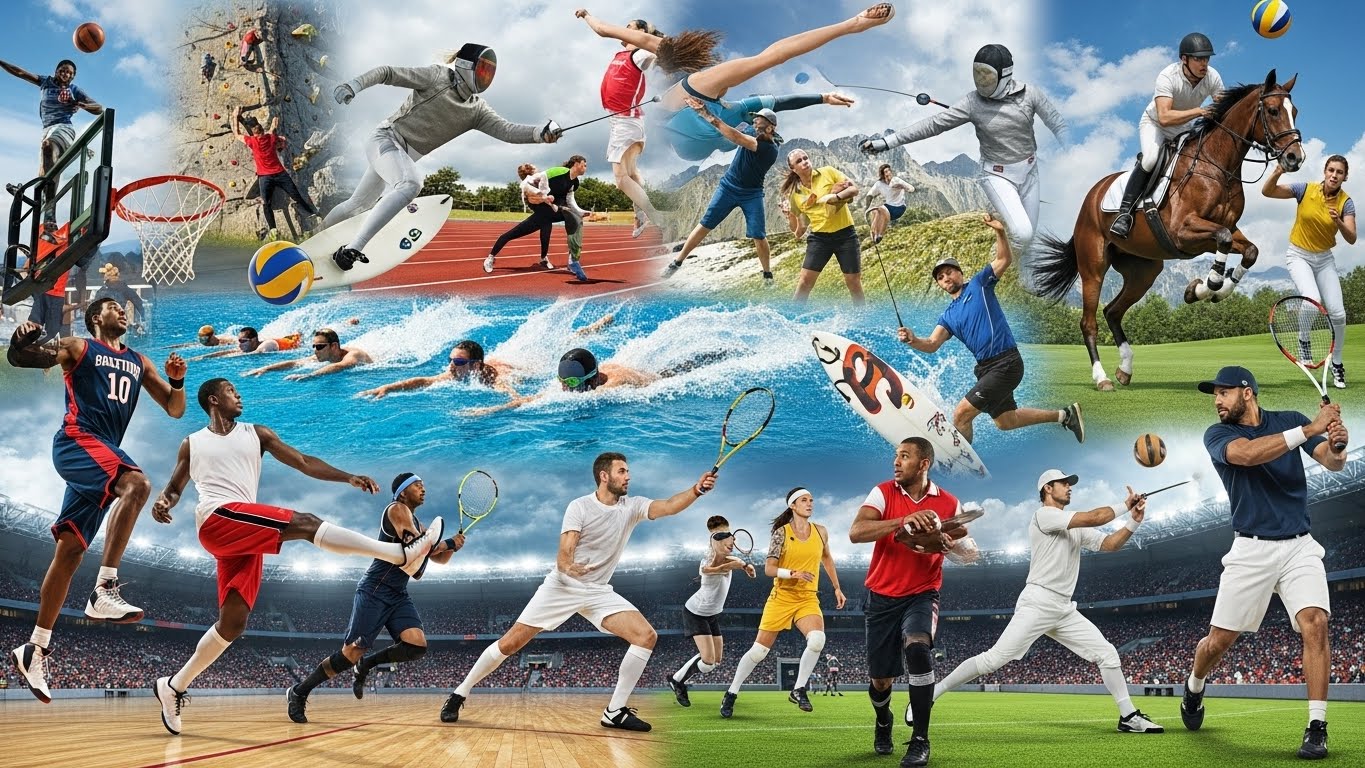
Sports have been an integral part of human society for centuries. From ancient times when games were played to demonstrate physical prowess to modern-day mega events watched by millions around the globe, sports have always captured the imagination of people everywhere. Beyond mere competition, sports bring communities together, teach valuable life lessons, and inspire countless individuals to push their limits. This blog explores the fascinating world of sports, highlighting their significance, evolution, impact, and the thrill they offer to players and fans alike.
The Origins of Sports
Sports are not a modern invention; they date back thousands of years. Historical evidence shows that ancient civilizations, such as the Greeks, Egyptians, and Chinese, engaged in organized athletic competitions. The Greeks, for instance, are famous for the Olympic Games, which began around 776 BCE. These games were more than just athletic contests; they were cultural events that honored the gods and showcased human physical excellence.
In ancient Egypt, activities like wrestling, archery, and swimming were common and often associated with military training. Similarly, in China, early forms of martial arts and competitive archery were developed not only for recreation but also as a means of preparing young men for warfare. These early sporting traditions laid the foundation for the modern sports culture we see today.
The Evolution of Modern Sports
Modern sports as we know them began to take shape during the 19th and 20th centuries. With industrialization and urbanization, people sought organized recreational activities, leading to the formalization of rules and creation of sports clubs and leagues. Football (soccer), cricket, and rugby became widely popular in Europe during this period. These sports eventually spread to other continents, becoming global phenomena.
In the 20th century, sports experienced another major transformation with the rise of professional leagues, television broadcasting, and international competitions. Events like the FIFA World Cup, the Olympic Games, and the Super Bowl became cultural milestones, watched by millions worldwide. This evolution made sports not just a pastime but a major industry with far-reaching economic and social influence.
Popular Sports Around the World
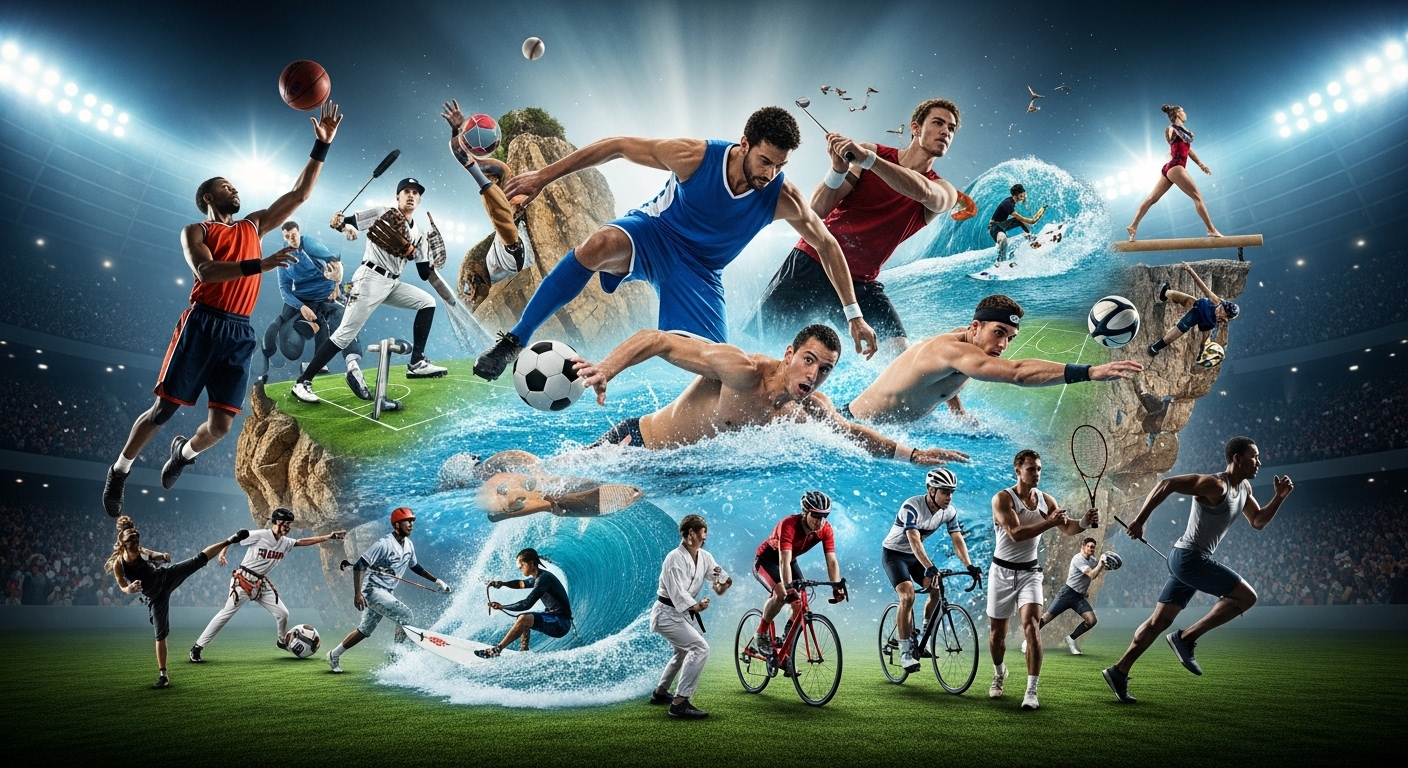
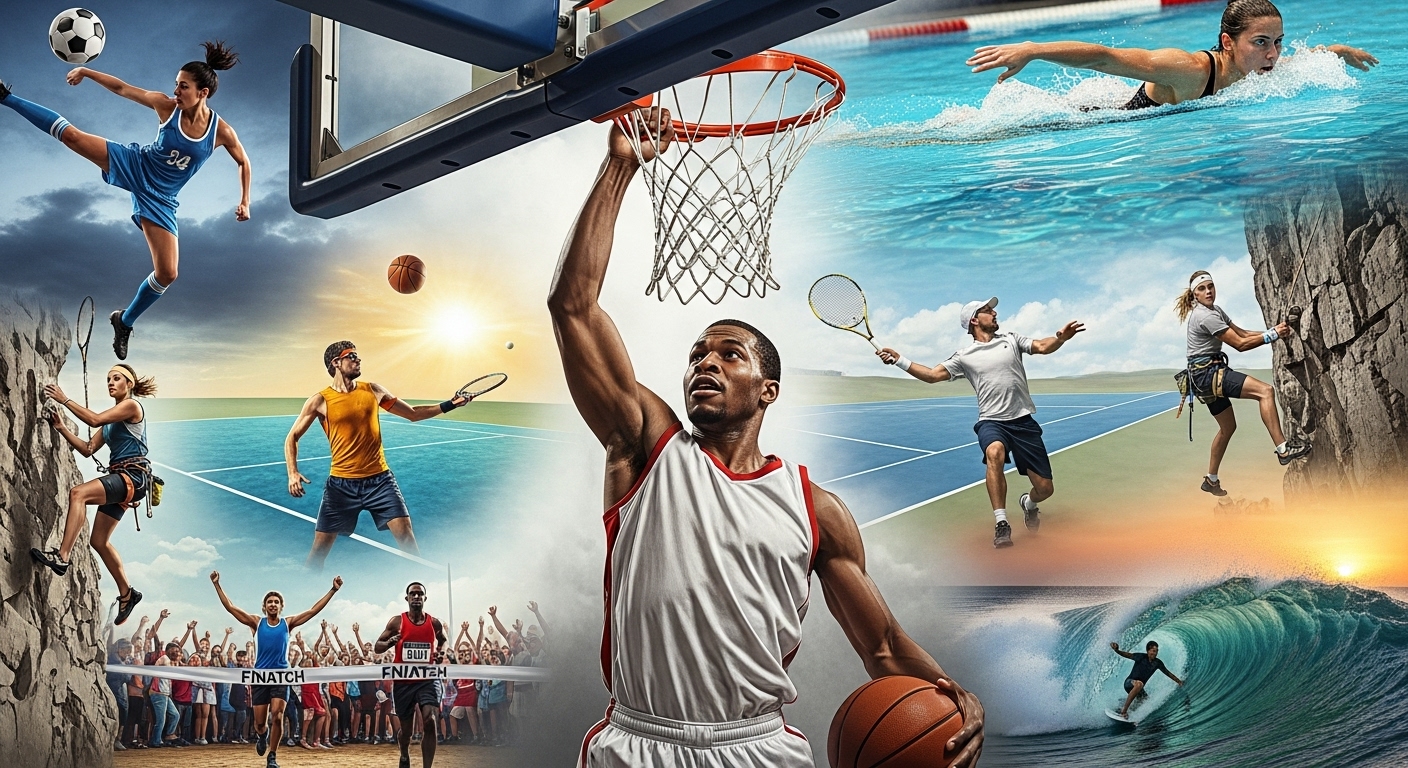
Sports come in a diverse array of forms, each with its unique rules, skills, and cultural significance. Some of the most popular sports globally include:
Football (Soccer)
Football, known as soccer in some countries, is the most popular sport worldwide. Played by two teams of eleven players, the game revolves around scoring goals by getting the ball into the opponent’s net. Its simplicity and accessibility have made it beloved in every corner of the globe. The FIFA World Cup, held every four years, is the pinnacle of international football and draws massive viewership.
Cricket
Cricket enjoys immense popularity in countries like India, Pakistan, Australia, and England. The sport involves two teams taking turns to bat and bowl, with the objective of scoring more runs than the opponent. Cricket has several formats, from the traditional five-day Test matches to the fast-paced Twenty20 games, catering to different audiences.
Basketball
Basketball is a fast-paced sport played on a rectangular court where two teams aim to score points by shooting a ball through a hoop. It is immensely popular in the United States, with the NBA being the premier professional league. Basketball’s global appeal has grown steadily, with talented players emerging from every continent.
Tennis
Tennis is a widely recognized individual sport, played either in singles or doubles. It requires agility, precision, and strategy. Grand Slam tournaments like Wimbledon, the US Open, the French Open, and the Australian Open are the most prestigious events, showcasing the world’s top tennis talent.
Athletics
Athletics, encompassing running, jumping, throwing, and other physical events, forms the core of the Olympic Games. Track and field competitions test speed, endurance, and skill, making them a true measure of human physical capabilities. Iconic athletes like Usain Bolt and Carl Lewis have become legends through their athletic achievements.
Emerging Sports
Beyond traditional sports, new and exciting activities are gaining popularity. Esports, competitive gaming, has emerged as a global phenomenon, attracting millions of fans and offering professional career opportunities. Adventure sports such as rock climbing, surfing, and parkour also attract thrill-seekers who crave adrenaline-fueled challenges.
The Physical Benefits of Sports
Participating in sports offers numerous physical benefits. Regular engagement improves cardiovascular health, strengthens muscles and bones, enhances flexibility, and boosts overall fitness. Sports also help in weight management and can prevent lifestyle-related illnesses such as diabetes, obesity, and hypertension.
For children and teenagers, sports play a crucial role in healthy growth and development. Activities that involve running, jumping, and coordination improve motor skills and overall physical well-being. Moreover, athletes often develop better body awareness and reflexes, which can benefit them both on and off the field.
The Mental and Emotional Impact
Sports are not just about physical activity; they also significantly impact mental and emotional health. Engaging in sports reduces stress, anxiety, and depression while promoting mental clarity and emotional stability. The discipline required in training and competition fosters resilience, patience, and a strong work ethic.
Team sports, in particular, teach valuable life skills such as communication, leadership, and teamwork. Athletes learn to navigate victories and defeats, develop coping strategies, and cultivate a sense of responsibility toward their team and community. Even spectators benefit emotionally, as sports provide a sense of belonging, excitement, and shared experience.
Sports and Society
Sports play a vital role in society beyond the individual level. They promote social cohesion, bringing people from diverse backgrounds together. Local clubs, schools, and national teams foster community engagement and pride. Major sporting events can unite nations, as seen in the celebrations following international victories.
Sports also have a significant economic impact. They generate revenue through ticket sales, merchandise, broadcasting rights, and sponsorships. Cities hosting major events like the Olympics or World Cup experience increased tourism, infrastructure development, and global recognition.
Moreover, sports can influence social change. Athletes often use their platforms to raise awareness about important issues such as equality, education, health, and human rights. Icons like Muhammad Ali, Billie Jean King, and Colin Kaepernick have shown how sports can intersect with activism to create lasting societal impact.
The Role of Technology in Sports
Technology has revolutionized the way sports are played, watched, and analyzed. Advanced equipment enhances performance, while innovations like VAR in football or Hawk-Eye in tennis ensure fair play. Wearable devices and fitness trackers allow athletes to monitor their health, track progress, and optimize training.
Broadcasting technology has also transformed the fan experience. High-definition television, live streaming, and virtual reality bring the excitement of stadiums to living rooms worldwide. Social media platforms enable fans to engage directly with athletes, follow updates, and participate in global conversations about their favorite sports.
Inspiring Stories of Athletes
The world of sports is filled with stories of perseverance, determination, and triumph. Legendary athletes inspire millions with their dedication and resilience. Consider the journey of Serena Williams, whose unwavering commitment transformed women’s tennis. Or Lionel Messi, whose extraordinary skill and humility have made him a global football icon.
These stories go beyond statistics and records; they showcase the human spirit at its finest. Athletes often face injuries, personal challenges, and intense pressure, yet their ability to overcome adversity resonates with fans and motivates others to pursue their dreams.
Sportsmanship and Ethics
Sportsmanship is the cornerstone of fair and honorable competition. Respecting opponents, following rules, and demonstrating integrity are essential values that define true athletes. Ethical conduct in sports ensures that victories are earned and that the spirit of the game is preserved.
Doping, cheating, and corruption are ongoing challenges in the sports world. Organizations worldwide are actively working to promote clean competition and maintain credibility. Fair play, transparency, and accountability are critical for sustaining the positive impact of sports on society.
The Future of Sports
The future of sports looks dynamic and promising. Emerging trends include increased globalization, the rise of women’s sports, and the integration of technology in training, performance analysis, and fan engagement. Virtual and augmented reality may redefine how fans experience live events, creating immersive and interactive opportunities.
Youth participation will continue to drive sports development. Grassroots programs, school competitions, and community initiatives play a crucial role in identifying talent and promoting healthy lifestyles. Inclusivity and accessibility will also be key focuses, ensuring that everyone, regardless of ability or background, can enjoy the benefits of sports.
Conclusion
Sports are much more than games; they are a reflection of human ambition, creativity, and resilience. From ancient traditions to modern-day spectacles, sports have shaped societies, inspired individuals, and brought the world together. They offer physical, mental, and emotional benefits, foster community engagement, and provide a platform for remarkable stories of perseverance and achievement.
Whether you are a participant, fan, or casual observer, sports have the power to entertain, inspire, and transform. They remind us of the value of teamwork, dedication, and fair competition while celebrating the extraordinary potential of the human body and spirit. In every corner of the world, sports continue to unite people across cultures, generations, and borders, proving that the love of the game is truly universal.