sportsleader23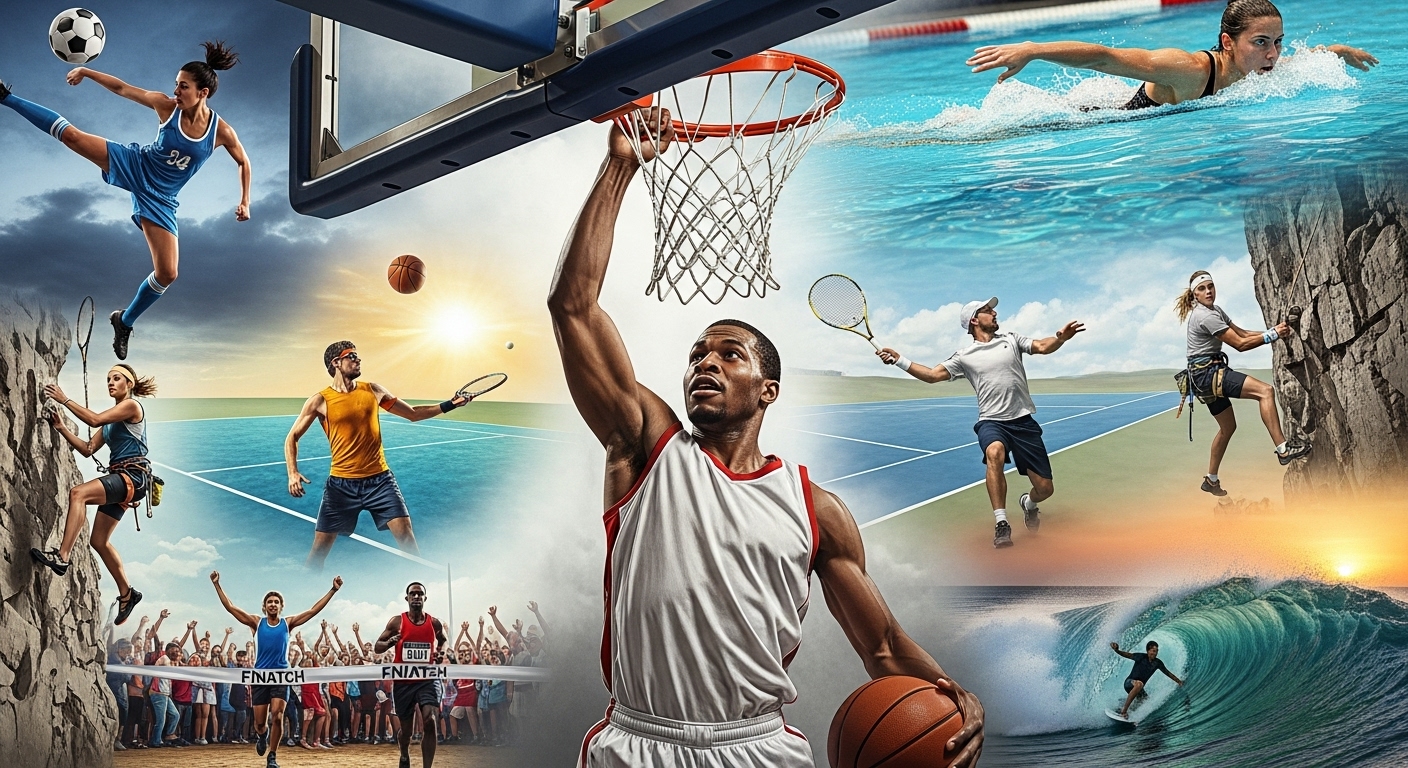
Sports have always been an integral part of human civilization. From the ancient Olympic Games to modern-day championships, sports have evolved in ways that mirror societal progress. Beyond being a form of entertainment, sports serve as a platform for physical fitness, mental growth, community building, and global unity. In this article, we explore the multifaceted world of sports, examining its significance, evolution, and impact on our lives.
The Origins of Sports
The roots of sports can be traced back to prehistoric times when humans engaged in physical activities for survival. Early humans needed strength, speed, and endurance to hunt, fight, and defend their communities. Over time, these survival skills transformed into structured games and competitions.
Ancient civilizations such as Egypt, Greece, and Rome developed organized sports that were both recreational and ceremonial. The Greeks introduced athletics and the Olympic Games, which celebrated human excellence and discipline. Roman gladiatorial contests, though violent, demonstrated the competitive spirit of the time.
The evolution of sports from survival practice to organized entertainment reflects humanity’s desire for challenges, recognition, and collective participation.
Physical and Mental Benefits of Sports
Engaging in sports provides a host of physical and mental benefits. Physically, sports enhance cardiovascular health, improve muscle strength, increase flexibility, and boost stamina. Regular physical activity reduces the risk of chronic diseases such as obesity, diabetes, and hypertension.
Mentally, sports foster concentration, strategic thinking, discipline, and resilience. Athletes develop the ability to focus under pressure, make quick decisions, and manage both success and failure gracefully. Participation in sports also releases endorphins, which reduce stress and anxiety, promoting overall well-being.
Children who engage in sports often display better academic performance, social skills, and emotional stability. Adults, too, benefit from the sense of purpose, achievement, and camaraderie that sports provide.
Popular Sports Around the World
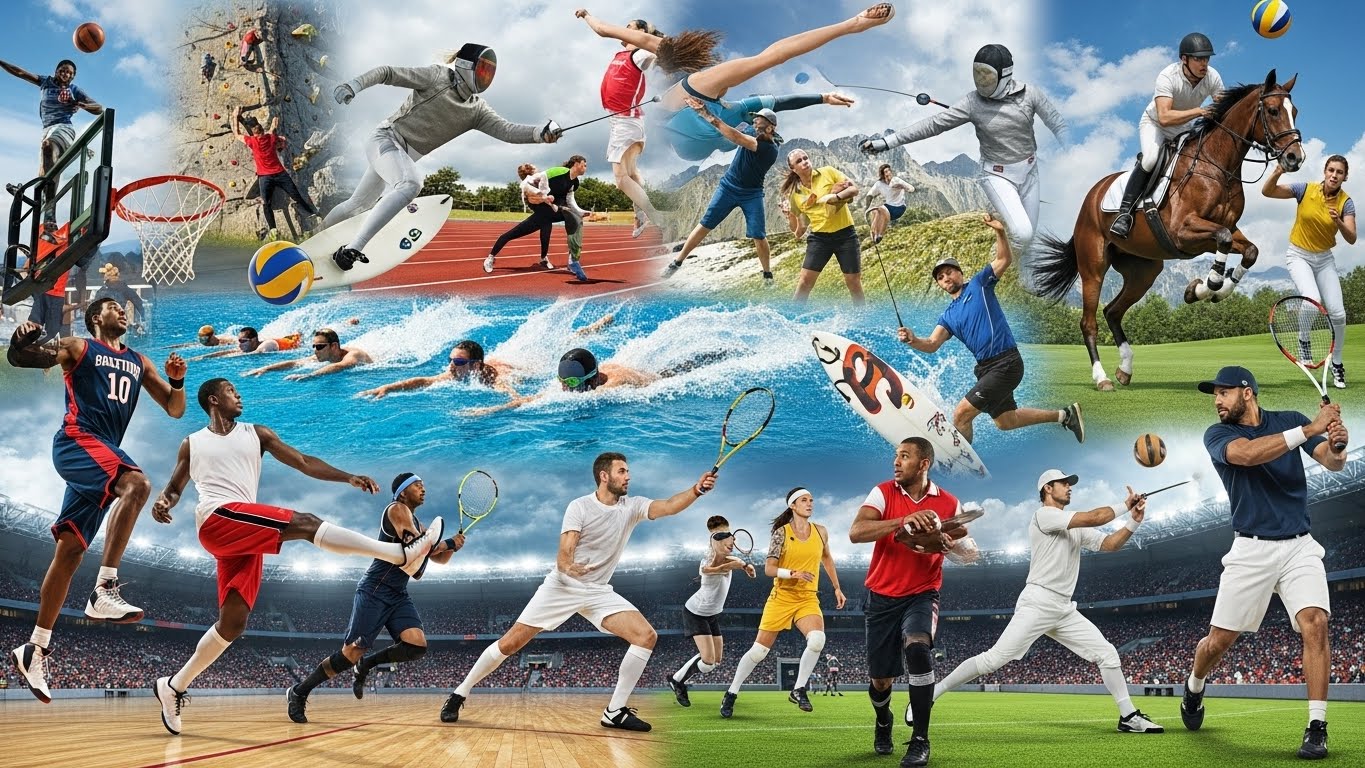
Sports are as diverse as the cultures they originate from. While some sports enjoy global popularity, others hold a special place within specific regions. Here’s a look at a few of the most popular sports globally:
Football (Soccer)
Football, or soccer, is the world’s most popular sport. Played by millions across every continent, it is a game of strategy, skill, and teamwork. The simplicity of football—requiring just a ball and an open space—makes it accessible to people of all ages and economic backgrounds. International tournaments such as the FIFA World Cup capture the imagination of billions, fostering national pride and unity.
Cricket
Cricket is a sport deeply embedded in countries such as India, Pakistan, Australia, and England. Known for its combination of strategy and endurance, cricket matches can vary from fast-paced Twenty20 games to marathon Test matches spanning five days. Cricket promotes teamwork, patience, and mental toughness, making it both challenging and rewarding.
Basketball
Basketball is a dynamic sport that combines speed, agility, and precision. With professional leagues like the NBA attracting global audiences, basketball has grown in popularity worldwide. The sport requires quick reflexes, strategic plays, and excellent hand-eye coordination. It is also highly inclusive, as it can be played both indoors and outdoors with minimal equipment.
Tennis
Tennis is an individual sport that tests endurance, skill, and mental resilience. Grand Slam tournaments like Wimbledon and the US Open showcase the highest level of athleticism and mental fortitude. Tennis encourages discipline, focus, and adaptability, making it a favorite among athletes seeking both personal and professional growth.
Athletics
Track and field events, often referred to collectively as athletics, are among the most ancient and respected forms of sport. Running, jumping, and throwing events test human limits, celebrating speed, strength, and agility. Athletics remain a cornerstone of the Olympic Games, inspiring countless individuals to push their boundaries.
The Role of Sports in Society
Sports transcend the boundaries of entertainment. They play a crucial role in shaping societies, promoting values, and building communities.
Building Teamwork and Leadership
Participating in sports teaches individuals how to work collaboratively, respect roles, and value each member’s contribution. Leaders often emerge naturally within teams, guiding and motivating others while balancing strategy and performance. These skills translate into professional and personal life, enhancing social cohesion and workplace productivity.
Fostering Equality and Inclusion
Sports have the power to bridge societal divides. Women’s participation in sports has steadily increased, challenging gender stereotypes and promoting equality. Similarly, sports programs for people with disabilities, such as the Paralympics, demonstrate that athletic excellence is not limited by physical or cognitive challenges. Sports emphasize talent, determination, and character over background, creating inclusive spaces for everyone.
Promoting National and Global Unity
Major sporting events like the Olympics, FIFA World Cup, and Commonwealth Games unite people across nations. Fans cheer for their countries, celebrate diversity, and experience a sense of belonging. Sports diplomacy has also played a role in easing political tensions, fostering dialogue, and building international friendships.
The Evolution of Sports Technology
Advances in technology have transformed the way sports are played, viewed, and analyzed. Modern equipment enhances safety, performance, and accessibility. Wearable devices track athletes’ heart rates, speed, and movements, providing valuable insights for training and injury prevention.
Video analysis and instant replay technologies ensure fairness and accuracy in competitions. Fans can now watch matches in high definition, experience virtual reality simulations, and engage with interactive platforms that enhance their connection to the sport. Technology has also democratized sports, making training resources, coaching techniques, and performance analytics accessible to amateur athletes worldwide.
Iconic Athletes and Their Legacy
Athletes are often celebrated not only for their skill but for their character and impact on society. Legends like Muhammad Ali, Serena Williams, Lionel Messi, and Usain Bolt inspire generations with their dedication, discipline, and achievements.
Muhammad Ali, with his charisma and bold activism, transcended boxing to become a global symbol of courage and social justice. Serena Williams’ dominance in tennis has shattered barriers for women in sports, demonstrating that excellence knows no gender boundaries. Lionel Messi’s creativity and consistency on the football field have made him a role model for aspiring footballers. Usain Bolt’s speed and confidence have redefined what it means to be a sprinter.
These athletes’ legacies remind us that sports can shape culture, influence society, and inspire millions to dream bigger.
Youth and Grassroots Sports Development
The future of sports lies in nurturing young talent. Grassroots sports programs provide children and teenagers with opportunities to explore different games, develop skills, and cultivate a love for physical activity. Schools, local clubs, and community organizations play a vital role in identifying and mentoring young athletes.
Investing in youth sports also promotes healthy lifestyles, reduces sedentary behavior, and fosters social responsibility. Encouraging participation over competition at the grassroots level ensures that sports remain a source of joy and personal growth rather than pressure and stress.
Challenges in the World of Sports
Despite its benefits, the world of sports faces several challenges that require attention and action.
Doping and Fair Play
Performance-enhancing drugs undermine the spirit of fair competition. Strict anti-doping regulations, education programs, and testing protocols are necessary to maintain integrity in sports.
Commercialization and Corruption
While commercial investment has fueled sports growth, excessive commercialization can compromise values and accessibility. Corruption scandals, match-fixing, and biased officiating undermine trust and tarnish reputations.
Injuries and Athlete Welfare
High-intensity sports often result in injuries that can end careers prematurely. Emphasizing proper training, safety protocols, and medical support ensures athletes’ physical and mental well-being.
Gender Disparities
Although progress has been made, women in sports often face unequal pay, recognition, and opportunities. Policies promoting gender equality, media coverage, and sponsorship support are essential to bridge this gap.
Sports as a Career
Sports offer diverse career opportunities beyond being an athlete. Coaching, sports management, physiotherapy, journalism, and analytics are just a few avenues where passion for sports can be translated into a profession.
Athletes who transition into coaching or mentoring contribute to the next generation’s growth, passing on knowledge and experience. Sports management professionals ensure smooth operations, marketing, and event organization. Physiotherapists and trainers play a crucial role in maintaining athletes’ health and performance. Even the media industry benefits from sports coverage, providing entertainment, insights, and storytelling.
The Future of Sports
The future of sports promises innovation, inclusivity, and global connectivity. Emerging technologies such as artificial intelligence, virtual reality, and performance analytics will continue to enhance training and fan engagement. Esports, a digital evolution of traditional sports, is gaining recognition, attracting millions of players and viewers worldwide.
Sustainability will also shape sports’ future, with eco-friendly stadiums, responsible event management, and reduced carbon footprints becoming standard practices. Sports will continue to reflect societal trends, promoting unity, health, and inspiration.
Conclusion
Sports are far more than games; they are a celebration of human potential, resilience, and collaboration. From ancient traditions to modern-day spectacles, sports have the power to entertain, educate, and inspire. They teach values like discipline, perseverance, teamwork, and fairness. They unite people across cultures and generations, creating moments of shared joy and pride.
As we look to the future, the essence of sports remains unchanged: a quest for excellence, a love for competition, and a celebration of human achievement. Whether you are an athlete, fan, coach, or enthusiast, sports have something to offer everyone—a chance to witness and be part of something extraordinary.