sportsleader23
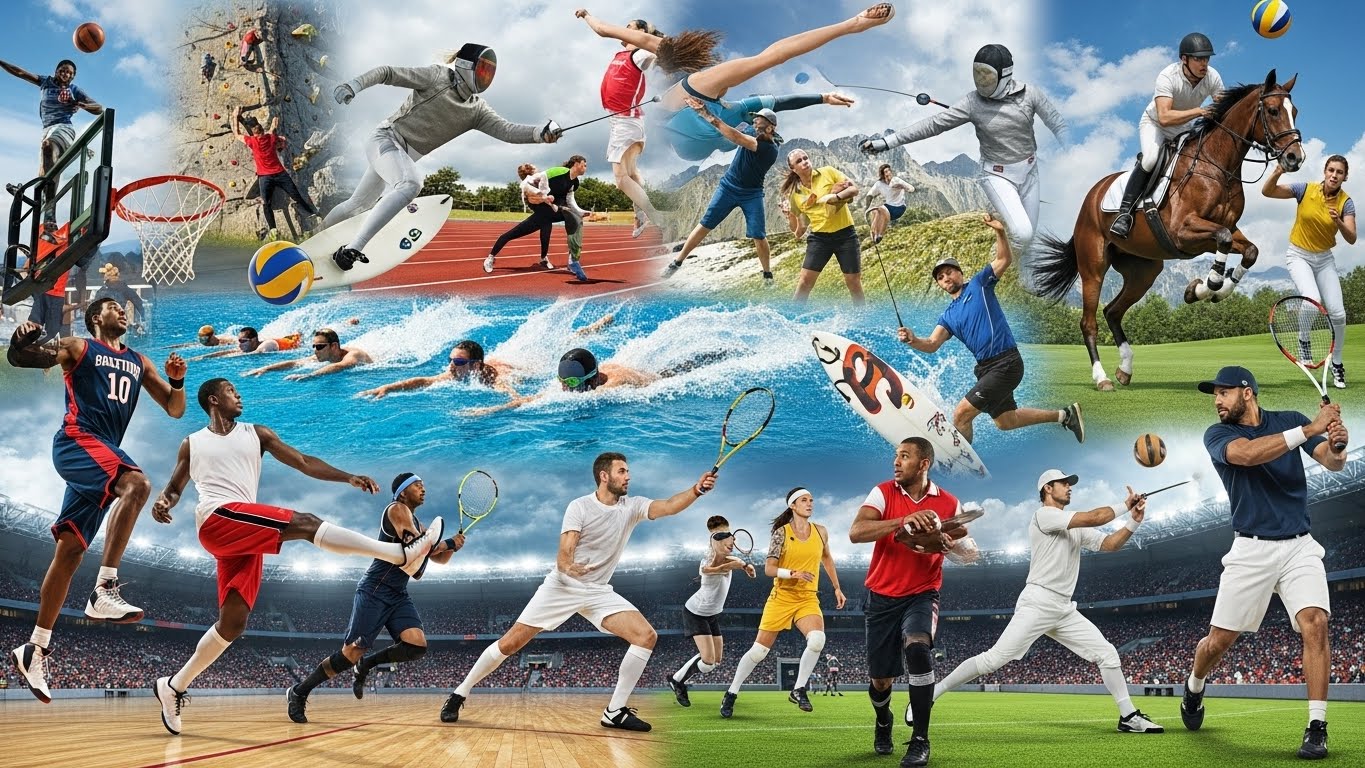
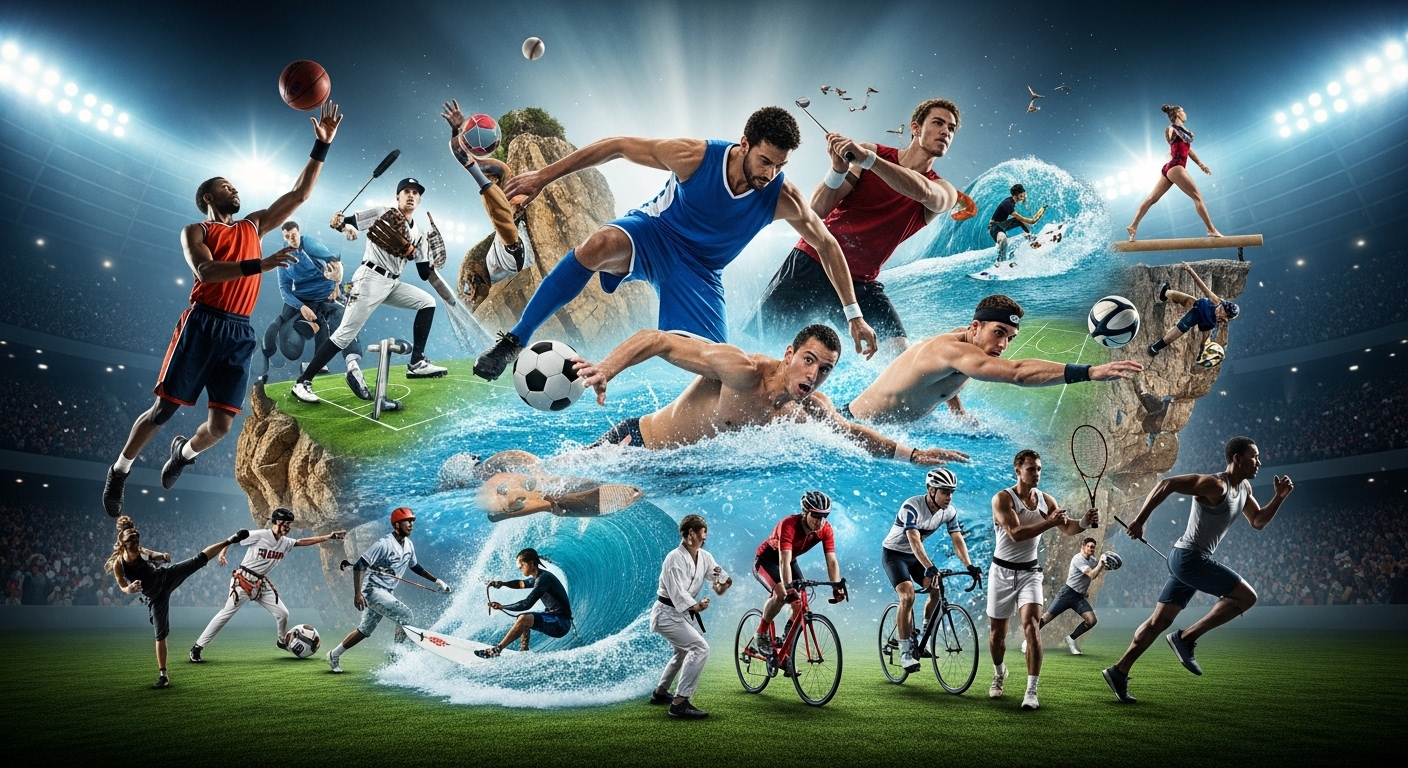
Sports have been an inseparable part of human civilization since ancient times. From early tribal competitions to modern global events, sports have united people across cultures, languages, and continents. They are more than physical contests; they are reflections of discipline, teamwork, perseverance, and passion. The world of sports is vast, covering everything from traditional games to high-tech competitions that define modern athletic excellence. Understanding the significance of sports requires exploring their evolution, their impact on society, and their role in shaping individuals and nations alike.
The Origins of Sports
The earliest forms of sports can be traced back thousands of years to ancient civilizations. The Greeks organized the Olympic Games to honor their gods, focusing on strength, speed, and skill. Ancient Egyptians and Mesopotamians engaged in wrestling, archery, and racing. In China, martial arts and competitive exercises were practiced to maintain physical health and discipline. Sports served not only as entertainment but also as training for survival and warfare.
In many cultures, sports were tied to rituals and community celebrations. Competing was a way of proving bravery, loyalty, and physical prowess. Over time, as societies advanced, these early games evolved into structured competitions with rules, spectators, and rewards.
Sports as a Universal Language
One of the most powerful aspects of sports is its universality. No matter where you are in the world, the joy of victory and the pain of defeat are emotions that transcend language barriers. Whether it’s a football match in Brazil, a cricket game in India, or an ice hockey tournament in Canada, sports bring people together.
Fans share a collective passion that unites strangers under a common identity. When people cheer for their team, they forget differences in culture, race, or social background. Sports foster camaraderie, mutual respect, and global friendships. Major events like the Olympics or the FIFA World Cup demonstrate how sports can bridge political and cultural divides, creating moments of harmony that few other things can achieve.
Physical and Mental Benefits of Sports
Sports are not just about competition; they are essential for physical and mental health. Regular participation in sports improves cardiovascular endurance, muscle strength, flexibility, and coordination. It reduces the risk of chronic diseases and boosts immune function. For children and teenagers, sports promote healthy growth, coordination, and balance.
On the mental side, sports teach resilience, discipline, and focus. The challenges of training, competition, and teamwork build confidence and emotional strength. Physical activity also releases endorphins, reducing stress and anxiety while improving mood. Sports provide an outlet for energy and emotion, helping people maintain a healthy mind and body balance.
The Role of Discipline in Sports
Every athlete, regardless of their field, understands the importance of discipline. Success in sports is not achieved overnight—it requires consistent effort, training, and sacrifice. Athletes must follow strict routines involving exercise, nutrition, rest, and recovery. This discipline builds habits that often extend beyond sports, influencing academics, careers, and personal life.
Discipline also means respecting rules and opponents. Athletes learn to control emotions, maintain composure under pressure, and accept both victory and defeat gracefully. These lessons in sports mirror the values needed to succeed in life: patience, perseverance, and integrity.
Teamwork and Communication
Team sports such as football, basketball, volleyball, and hockey emphasize the importance of teamwork. No single player can win a game alone; success depends on coordination, communication, and trust among team members. Team sports teach athletes to understand roles, value others’ contributions, and put the collective goal above individual achievement.
Good communication is vital in sports. Players must convey strategies, provide feedback, and motivate one another. The ability to work with others, even under intense pressure, strengthens interpersonal skills. These lessons help athletes excel in workplaces and communities, where collaboration and leadership are equally crucial.
The Evolution of Sports Technology
Modern sports have evolved dramatically with the help of technology. From simple stopwatches and scoreboards, the industry has moved to advanced data analytics, motion sensors, and wearable devices. Technology allows coaches to analyze performance, prevent injuries, and optimize training programs.
Instant replay and video analysis ensure fair judgments in competitions, while virtual reality systems help athletes practice complex scenarios. Artificial intelligence assists in strategy formulation, predicting opponents’ tactics, and tracking player fatigue levels.
Even fans benefit from technology. Live streaming, virtual stadiums, and interactive experiences have made sports more accessible and immersive than ever before. The integration of science and sports has pushed human limits further, producing records once thought impossible.
Sports and Education
Sports play a vital role in education by teaching students essential life skills. Schools and universities encourage participation in athletics to promote physical fitness, teamwork, and time management. Balancing academics and sports builds responsibility and determination.
Student-athletes often become disciplined, organized, and goal-oriented individuals. They learn how to handle pressure, set priorities, and maintain focus. Sports scholarships also provide opportunities for talented youth to pursue education while developing their athletic potential. This blend of intellectual and physical growth prepares individuals for successful and balanced lives.
The Business of Sports
Today, sports are not only about competition—they are a global industry worth billions of dollars. Sponsorships, broadcasting rights, merchandise, and ticket sales generate vast revenue. Professional athletes are not just competitors; they are global icons representing brands and inspiring millions.
Clubs, leagues, and franchises operate like corporations with strategic planning, marketing, and investments. This commercialization has brought both opportunities and challenges. While it provides financial stability and global recognition, it also pressures athletes to perform under immense scrutiny.
Despite this, the business side of sports has contributed to its growth, providing infrastructure, employment, and technological innovation. Sports tourism and event management have become major economic drivers for many countries.
Sportsmanship and Ethics
True sportsmanship lies in playing fair, respecting opponents, and maintaining integrity. The essence of sports is not just winning but competing with honor. Athletes who demonstrate humility in victory and grace in defeat embody the spirit of fair play.
Unfortunately, issues like doping, corruption, and unethical practices have occasionally tarnished sports. However, governing bodies and organizations continuously strive to promote transparency and fairness. Education about ethics and sports values is crucial to maintaining trust and respect in the sporting world.
Women in Sports
Over the past century, women’s participation in sports has grown remarkably. Female athletes have broken barriers, challenged stereotypes, and achieved greatness in every field—from tennis to football, from athletics to cricket. Icons like Serena Williams, Simone Biles, and Marta Silva have proven that excellence knows no gender.
The rise of women’s leagues and international events has inspired young girls worldwide to pursue their dreams. Equal pay, media representation, and access to facilities remain ongoing challenges, but progress continues. The empowerment of women through sports promotes equality and inspires social change globally.
The Psychological Side of Sports
Sports are as much a mental challenge as a physical one. Athletes must handle pressure, expectations, and the fear of failure. Mental conditioning has become a core part of sports training. Visualization, meditation, and focus exercises help athletes perform under stress.
Confidence, motivation, and emotional control often determine outcomes in tight competitions. Coaches and sports psychologists work closely with players to build resilience and maintain mental balance. This mental discipline not only enhances performance but also helps athletes navigate life’s ups and downs.
Sports and Society
Sports influence society in profound ways. They unite communities, celebrate diversity, and promote peace. Events like the Olympics bring nations together, symbolizing global cooperation. Sports also serve as a platform for addressing social issues such as racism, gender equality, and mental health awareness.
Athletes often use their fame to advocate for positive change, encouraging young people to stay active, avoid harmful habits, and dream big. Local sports clubs and community leagues provide youth with purpose and belonging, steering them away from negative influences.
Sports also serve as a reflection of cultural identity. Every country takes pride in its unique sports heritage—whether it’s baseball in the United States, rugby in New Zealand, or cricket in India. These traditions strengthen unity and national pride.
The Importance of Youth Sports
Introducing children to sports at an early age has countless benefits. It promotes physical development, social interaction, and confidence. Team games teach cooperation and empathy, while individual sports help children understand self-motivation and accountability.
Youth sports programs also identify and nurture future talents. Coaches play a key role in shaping young athletes, teaching them values of respect, effort, and perseverance. These early experiences often define how individuals view competition, success, and teamwork throughout their lives.
The Role of Fans in Sports Culture
Fans are the heart of sports. Their passion, energy, and loyalty create the electric atmosphere that makes competitions unforgettable. Whether in stadiums, at home, or online, fans bring emotion and excitement to every game.
Supporters influence team morale, player performance, and even the outcome of matches. The connection between fans and athletes forms a powerful bond built on shared experiences and emotional highs and lows. The chants, colors, and celebrations associated with fandom enrich sports culture and keep traditions alive for generations.
Sports and National Identity
Sports play a significant role in shaping national identity. Major victories in international tournaments often unite entire countries in celebration. Athletes become symbols of pride and resilience, representing the hopes of their people.
Events like the FIFA World Cup or the Olympics highlight not only athletic talent but also cultural heritage and unity. They remind nations that beyond politics and differences, shared passion for sports can bring people together.
The Future of Sports
The future of sports is dynamic, shaped by technology, globalization, and evolving social values. Virtual reality training, AI-powered analytics, and biotechnology are transforming how athletes prepare and compete. Esports, or competitive gaming, has also emerged as a global phenomenon, expanding the definition of sports itself.
Inclusivity and accessibility are becoming priorities, ensuring everyone can participate regardless of physical ability or background. Environmental sustainability in sports events is another growing focus, with organizations adopting eco-friendly practices.
Sports will continue to evolve, but their core essence—discipline, teamwork, and fair competition—will remain timeless.
Conclusion
Sports are far more than physical contests; they are a celebration of human potential, perseverance, and unity. From ancient traditions to modern innovations, sports have shaped cultures, built leaders, and inspired billions. They teach discipline, teamwork, resilience, and respect—values that define strong individuals and societies.
In every stadium, arena, or field, the spirit of sports lives on through passion, courage, and the pursuit of excellence. Whether played for fun or glory, sports continue to remind us that while victory is sweet, the true reward lies in the journey—the lessons learned, the friendships made, and the strength discovered within ourselves.
The power of sports endures through generations, proving that competition, when guided by respect and integrity, can be one of humanity’s greatest teachers.