sportsleader23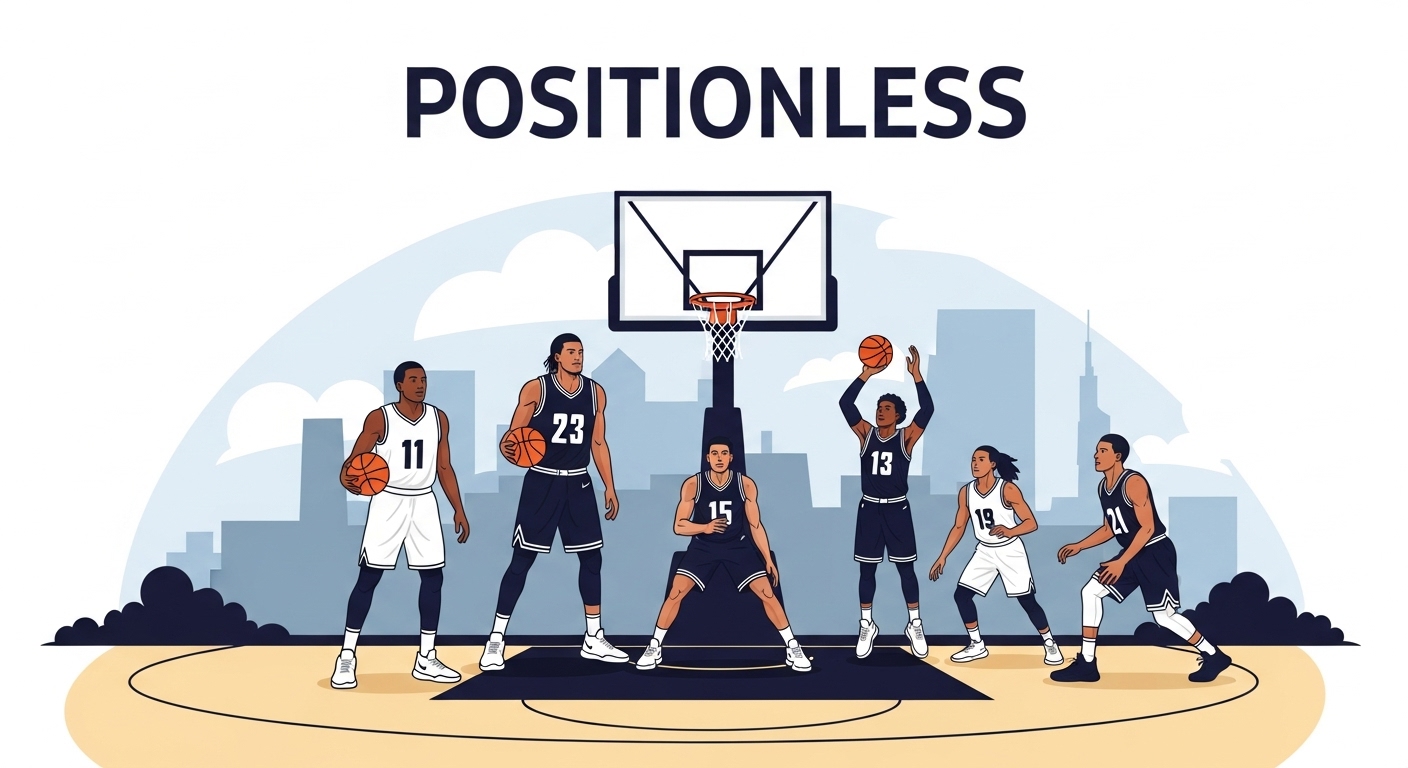
In the ever-evolving world of competitive sports, the difference between winning and losing often comes down to strategy. While raw talent and physical fitness remain essential, it’s the tactical edge — the ability to out-think the opponent — that defines champions in today’s game. Let’s take a deep dive into some of the most game-changing tactics reshaping the modern sports landscape.
The Rise of Data-Driven Decisions
Analytics has moved from the back office to the front lines. Whether it’s basketball teams tracking player movement and shot efficiency, or football clubs analyzing passing networks and opponent tendencies, data is now at the heart of decision-making. Coaches use predictive models to adjust formations mid-game, while players review personalized performance metrics to improve positioning and decision-making. This shift toward evidence-based tactics has redefined how strategies are crafted and executed.
Positional Play and Space Manipulation
In sports like soccer and basketball, traditional positions are becoming more fluid. The emphasis has shifted from rigid roles to dynamic use of space. For instance, “positionless basketball” enables players to switch roles seamlessly based on in-game scenarios. Similarly, modern soccer teams adopt tactics like “inverted fullbacks” or “false nines” to exploit space and confuse opponents. The goal isn’t just to hold possession, but to create numerical superiority in key areas of the pitch or court.
Pressing Systems and Counter-Pressing
Pressing has become one of the most influential defensive tactics across multiple sports. In soccer, high-intensity pressing systems aim to regain possession close to the opponent’s goal. The concept of “counter-pressing,” where a team immediately applies pressure after losing the ball, can disrupt an opponent’s rhythm and lead to quick scoring opportunities. Similarly, in American football or rugby, coordinated pressure on the ball carrier limits options and forces mistakes under pressure.
Game Tempo and Psychological Control
Controlling the pace of play is an underrated yet powerful tactic. Teams now manipulate tempo not just physically, but psychologically. Slowing the game to frustrate high-tempo teams, or quick transitions to catch opponents off guard, are deliberate strategies. Mental fatigue and frustration can tilt the balance of a game — not just the scoreboard. Coaches often train players to recognize and react to these tempo shifts in real time, reinforcing tactical discipline and emotional control.
Hybrid Athletes and Versatile Skill Sets
Gone are the days when a player mastered only one role. Modern athletes are trained to be multi-functional. In ice hockey, for example, forwards are expected to defend aggressively, while defensemen contribute to offensive buildup. In American football, hybrid linebackers who can both tackle and drop into coverage are highly prized. This evolution is strategic — the more unpredictable a player, the harder it is for the opponent to plan.
The Integration of Technology
Wearables, video analysis, and even virtual reality are becoming standard tools in the tactical arsenal. Players use VR to simulate high-pressure moments, improving decision-making without physical fatigue. Coaches analyze footage in near real-time to adjust tactics during halftime. Technology bridges the gap between practice and live performance, allowing strategies to be tested, refined, and personalized.
Conclusion
Modern sports strategy is a blend of science, art, and intuition. The most successful teams are those that adapt quickly, think ahead, and embrace innovation. As new tools and philosophies continue to emerge, one thing remains constant — strategy wins games. The more teams and athletes invest in understanding and evolving their tactics, the greater their competitive edge.