sportsleader23
Introduction
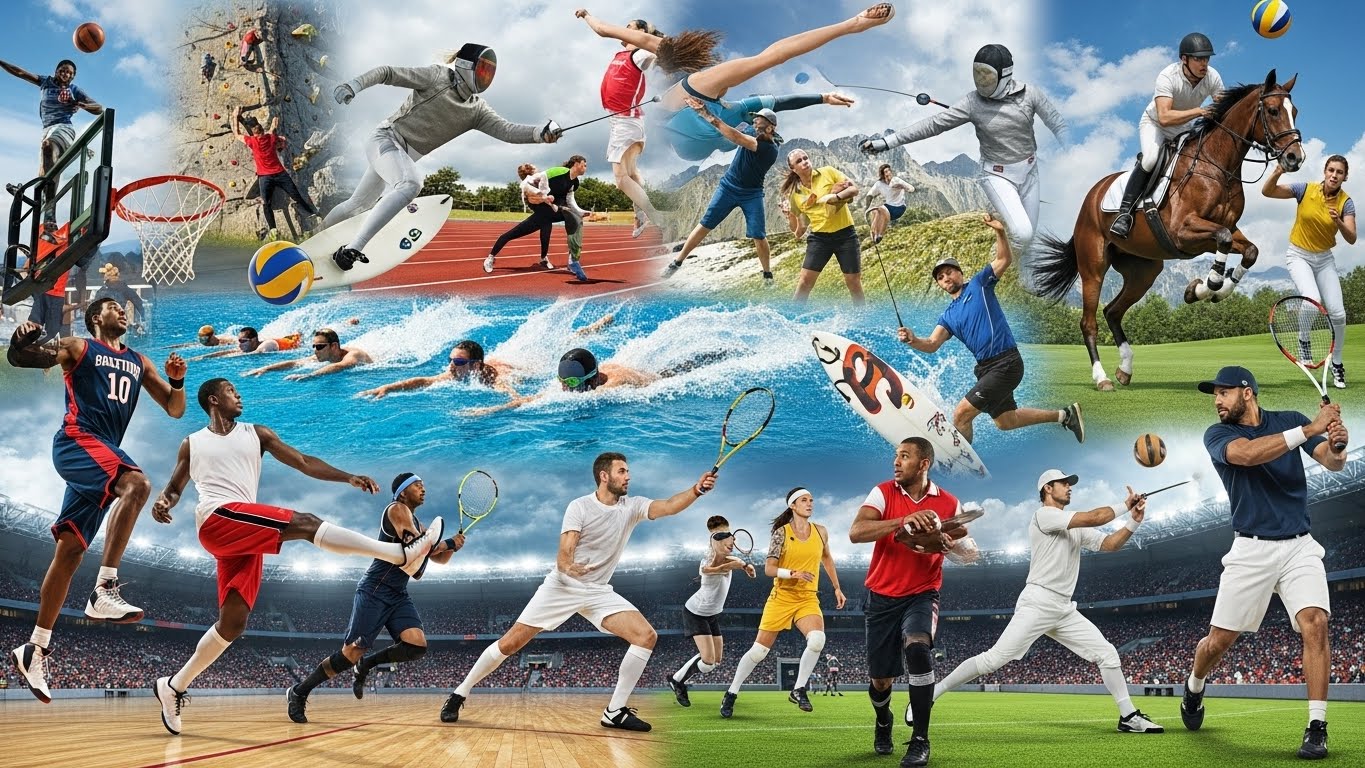
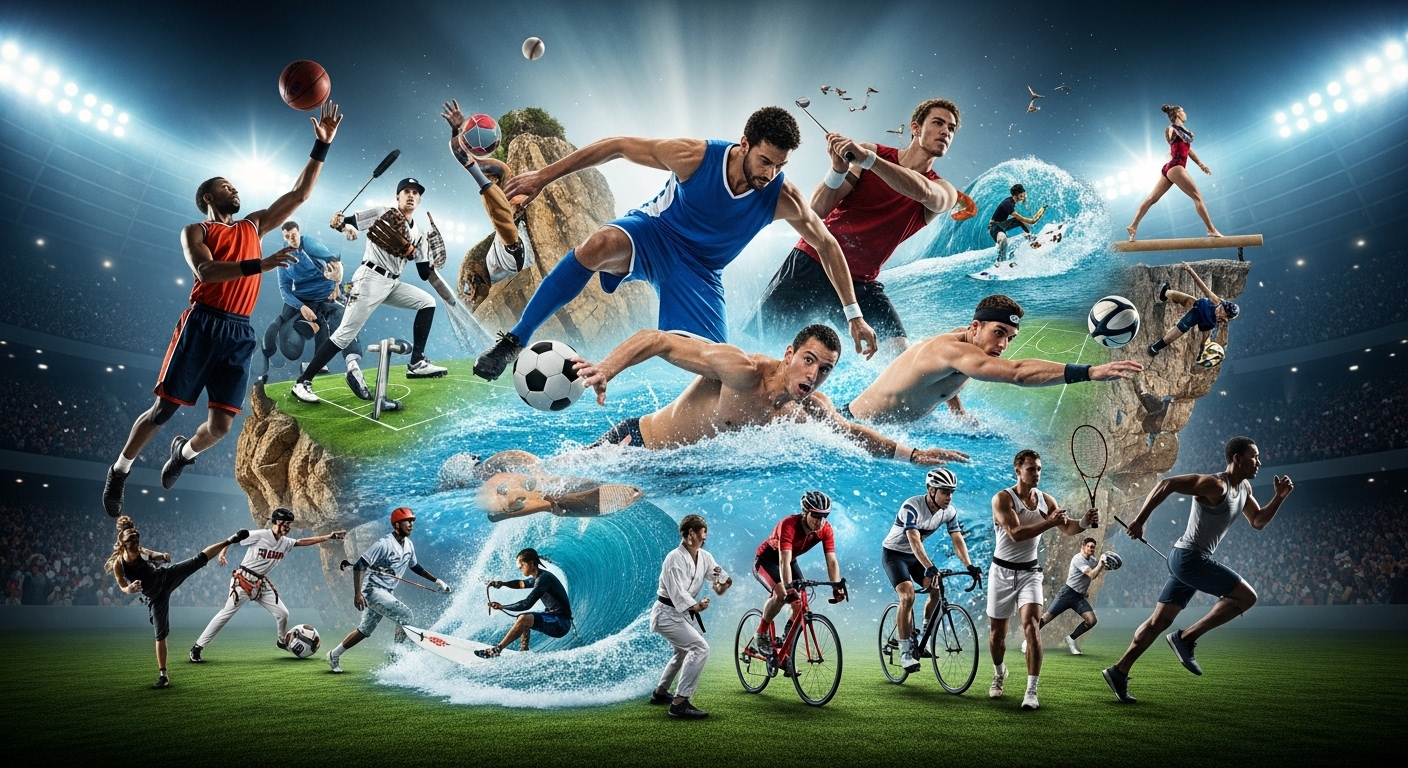
Sports have been an integral part of human civilization for thousands of years. From ancient athletic contests in Greece to modern-day international tournaments, sports have not only entertained but also brought people together, taught essential life lessons, and influenced culture worldwide. The impact of sports extends far beyond the field, court, or track. It touches mental health, social development, economic growth, and even technological innovation. In this blog, we explore the multifaceted world of sports, examining its history, significance, cultural impact, and the role it plays in shaping our lives.
The Evolution of Sports
Sports have existed in various forms throughout history. Ancient civilizations engaged in athletic contests as part of religious ceremonies, military training, or community celebrations. The Olympic Games in Greece, beginning in 776 BC, are one of the earliest recorded examples of organized sports competitions. Athletes competed not only for personal glory but also for the honor of their city-states.
As societies evolved, so did sports. Medieval Europe saw the rise of jousting and archery contests, while Asia developed martial arts and traditional games that combined skill, strategy, and discipline. The Industrial Revolution brought organized leagues, standardized rules, and mass participation, paving the way for modern sports as we know them today.
The Physical Benefits of Sports
One of the most obvious impacts of sports is on physical health. Regular participation in sports improves cardiovascular fitness, strengthens muscles and bones, enhances flexibility, and boosts coordination. Engaging in sports can also help prevent chronic diseases such as obesity, diabetes, and heart conditions.
Beyond general fitness, sports encourage discipline and consistency. Athletes must maintain structured training routines, proper nutrition, and adequate rest. These habits extend into daily life, teaching individuals the importance of health and personal care.
Sports and Mental Well-Being
The benefits of sports are not limited to the body; they have profound effects on mental health as well. Physical activity releases endorphins, which are natural mood lifters, reducing stress and anxiety. Participation in sports also fosters confidence, resilience, and a sense of achievement.
Competitive sports, in particular, teach important psychological skills such as focus, decision-making under pressure, and emotional control. Athletes learn to cope with failure and setbacks, developing a mindset that is valuable in both personal and professional life.
The Social Impact of Sports
Sports serve as a powerful social connector. They bring people together, creating communities of fans, athletes, coaches, and volunteers. Sporting events, whether local matches or international tournaments, foster a sense of belonging and shared identity.
Team sports, such as football, basketball, and cricket, teach cooperation, communication, and conflict resolution. Players learn to work toward common goals, celebrate collective achievements, and navigate interpersonal challenges. These social skills extend beyond the field, helping individuals succeed in workplaces, schools, and personal relationships.
Sports as a Cultural Phenomenon
Sports often reflect and shape culture. Iconic athletes become symbols of determination, excellence, and inspiration. Sports influence fashion, music, and media, while major events like the Olympics or the World Cup capture global attention and unite diverse audiences.
Additionally, sports can address social issues and inspire change. Athletes and organizations often use their platforms to promote equality, sustainability, and humanitarian causes. This cultural significance highlights how sports are not just games—they are a mirror of society and a vehicle for positive influence.
The Economic Impact of Sports
Sports have a substantial economic footprint. Professional leagues, tournaments, and recreational facilities create jobs, generate tourism, and drive local economies. Sporting events attract sponsorships, advertising, and media coverage, making them lucrative ventures for businesses and governments alike.
The development of sports infrastructure, such as stadiums, gyms, and training centers, also stimulates economic growth. Furthermore, sports-related industries, including apparel, equipment, and digital media, contribute significantly to global markets.
Technology and Innovation in Sports
Modern sports have embraced technology in numerous ways. Video analysis, wearable fitness trackers, and advanced training equipment help athletes optimize performance. Virtual reality and augmented reality are being used for training, fan engagement, and immersive viewing experiences.
Broadcasting innovations, such as live streaming and interactive platforms, have transformed how fans experience sports. Fans can now follow games from anywhere in the world, access real-time statistics, and engage with communities of enthusiasts. Technology has not only enhanced performance but also broadened accessibility and enjoyment of sports.
Sports and Education
Sports play an important role in education. Many schools and universities integrate athletic programs to promote physical health, discipline, and teamwork. Student-athletes learn time management, goal setting, and perseverance—skills that are valuable both academically and professionally.
Beyond traditional education, sports teach life lessons that cannot be learned in a classroom. Athletes experience firsthand the importance of hard work, resilience, and handling success and failure gracefully. These lessons help shape character and personal growth throughout life.
Inclusivity and Diversity in Sports
Sports have the power to break barriers and promote inclusivity. Adaptive sports programs allow individuals with disabilities to participate and excel. Women’s sports have gained increasing recognition, providing platforms for talent, empowerment, and equality.
Additionally, sports often bring together people from diverse backgrounds, fostering understanding, respect, and cooperation. Through fair play and shared experiences, sports cultivate a culture of inclusion and mutual appreciation.
Challenges Facing Modern Sports
Despite their many benefits, sports face challenges. Issues such as doping, corruption, and match-fixing threaten integrity and public trust. Over-commercialization can prioritize profit over athlete welfare and the spirit of competition.
Furthermore, the mental and physical pressures on athletes are significant. High expectations, intense training, and media scrutiny can lead to burnout and stress. Ensuring proper support systems, ethical governance, and a focus on well-being is essential to sustain sports as a positive force.
The Future of Sports
The future of sports is dynamic and full of potential. Emerging technologies, such as artificial intelligence, virtual reality, and data analytics, will continue to transform training, performance, and fan engagement. Global connectivity will expand the reach of sports, making them more accessible to diverse audiences.
Sustainability and inclusivity will play an increasingly important role. Eco-friendly stadiums, adaptive sports programs, and equal opportunities for all athletes will define the next era of sports. As sports evolve, they will remain a unifying force, inspiring individuals and communities worldwide.
Conclusion
Sports are far more than games; they are a reflection of human ambition, culture, and social connection. They promote physical health, mental well-being, teamwork, and personal growth while shaping economies, societies, and global culture. From ancient Olympic contests to modern professional leagues, sports have continually evolved yet maintained their ability to inspire, unite, and challenge us.
As technology advances and societal values shift, sports will continue to adapt, offering new experiences and opportunities for participation, learning, and entertainment. Ultimately, sports are a testament to the power of human potential, resilience, and collaboration—lessons that extend far beyond the playing field.